Rice VS Omelette
A detailed nutritional comparison
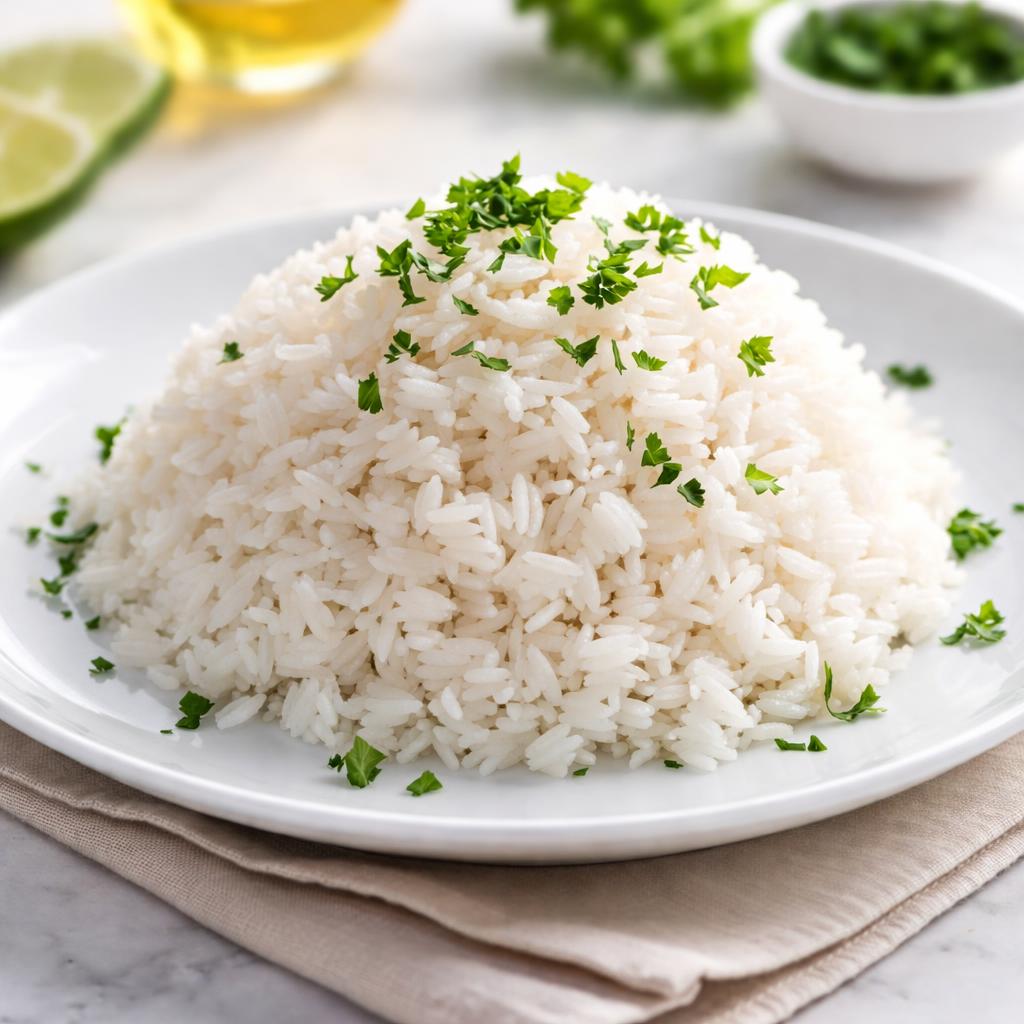
Rice
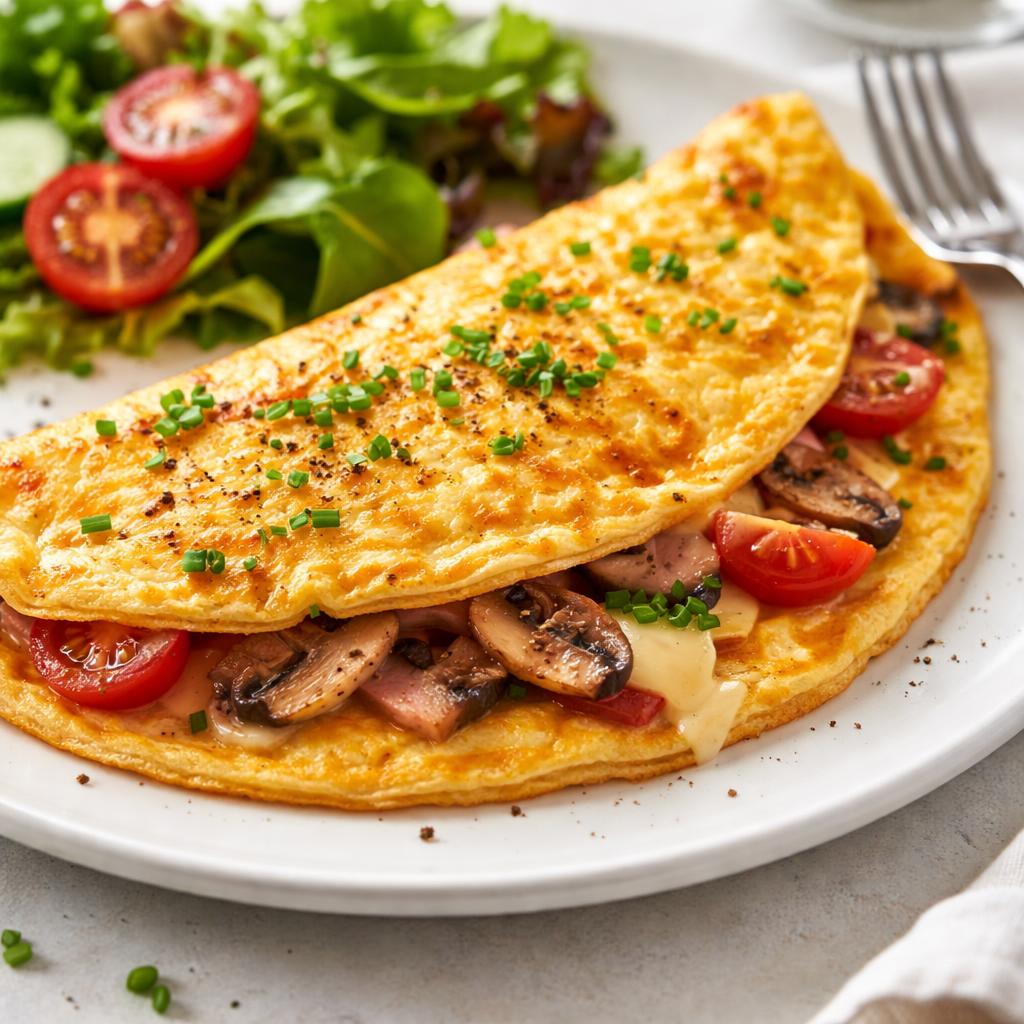
Omelette
🎯 Quick Verdict
Rice is a low-calorie, high-carb food and a better source of fiber, making it ideal for energy and digestion. Omelette, on the other hand, excels in protein content and contains more micronutrients like vitamins and healthy fats, making it a better option for muscle development and overall nutrient density.

Smart Nutrition Tracking with SnapCalorie

📊 Nutritional Comparison
Macronutrients
| Nutrient | Food 1 | Food 2 | Winner |
|---|---|---|---|
| Calories | 130 (per 100g cooked white rice) | 250 (per 2-egg omelette, cooked with oil) | ✓ |
| Protein | 2.7g | 13g | ✓ |
| Carbs | 28g | 1.5g | ✓ |
| Fat | 0.3g | 20g | ✓ |
| Fiber | 0.4g | 0g | ✓ |
Vitamins & Minerals
| Nutrient | Food 1 | Food 2 | Winner |
|---|---|---|---|
| Vitamin D | 0mcg | 2mcg | ✓ |
| Calcium | 10mg | 60mg | ✓ |
| Iron | 0.2mg | 1.8mg | ✓ |
| Vitamin A | 0mcg | 150mcg | ✓ |
🏆 Category Winners
Protein
Omelette contains nearly 5 times more protein per serving than rice.
Fiber
Rice provides dietary fiber, while omelette contains none.
Calories
Rice is lower in calories per serving by nearly 50%.
Vitamins
Omelette offers key vitamins like D, A, and calcium, which rice lacks.
🥗 Diet Compatibility
Keto
Food 1: Not Compatible
Food 2: Compatible
Rice is high-carb, while omelette is low-carb and high-fat.
Vegan
Food 1: Compatible
Food 2: Not Compatible
Rice is plant-based, while omelette contains eggs.
Gluten Free
Food 1: Compatible
Food 2: Compatible
Both are naturally gluten-free.
Paleo
Food 1: Not Compatible
Food 2: Compatible
Rice is excluded in paleo diets, whereas omelette made with eggs is allowed.
Low-Carb
Food 1: Not Compatible
Food 2: Compatible
Rice is very high in carbohydrates; omelette contains minimal carbs.
💪 Health Benefits Comparison
Food 1 Benefits
- Provides quick energy due to high carbohydrate content
- Easy to digest, making it suitable for sensitive stomachs
- Contains some fiber that supports digestion
Food 2 Benefits
- High protein content supports muscle growth and repair
- Contains healthy fats that benefit heart health and brain function
- Rich in Vitamin D and calcium, promoting strong bone health
- Provides essential micronutrients like iron and Vitamin A for overall wellness
✅ The Bottom Line
Choose rice when you need a low-calorie, high-carb energy source or are following a vegan diet. Opt for omelette when seeking a high-protein, nutrient-dense meal suitable for low-carb or keto diets.
Choose Food 1 for: Energy boost, vegan meals, light digestion
Choose Food 2 for: Muscle repair, keto diets, nutrient density


