Rice VS Oil And Vinegar Dressing
A detailed nutritional comparison
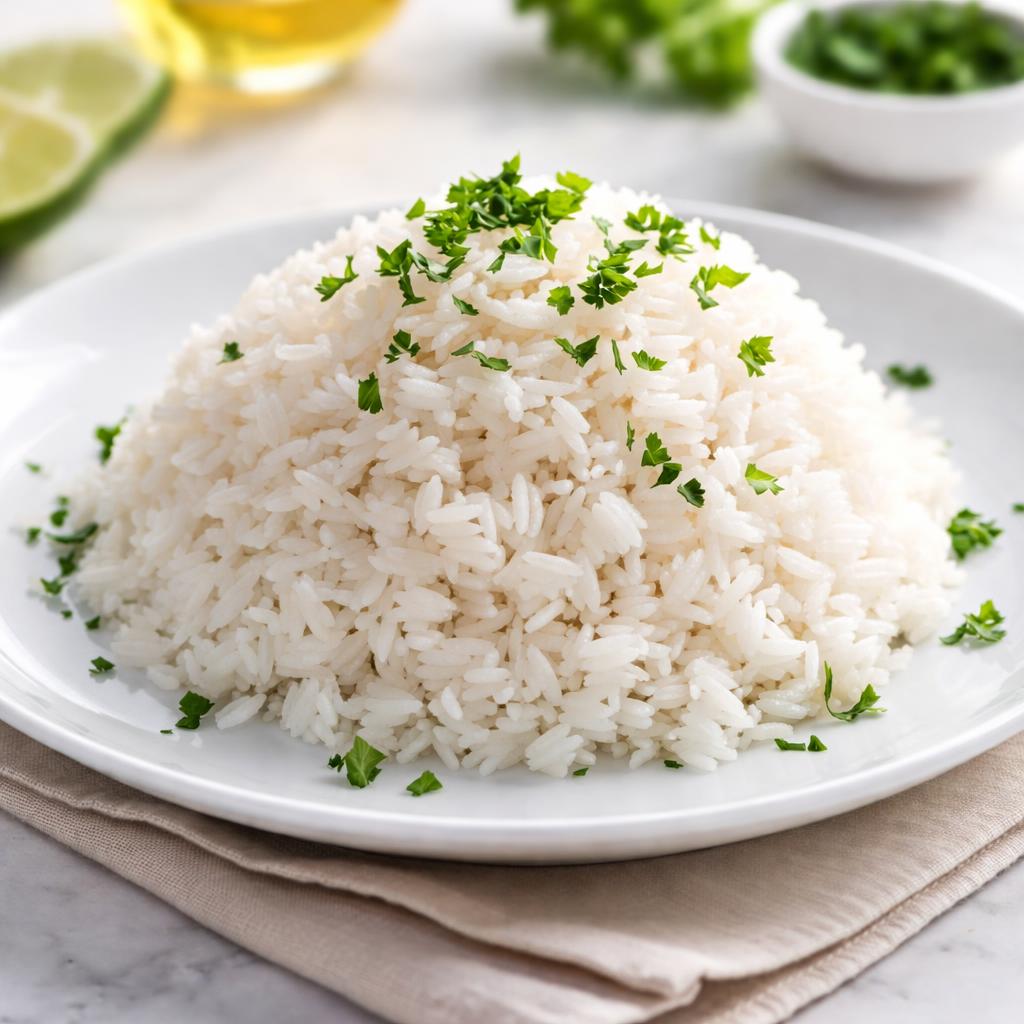
Rice
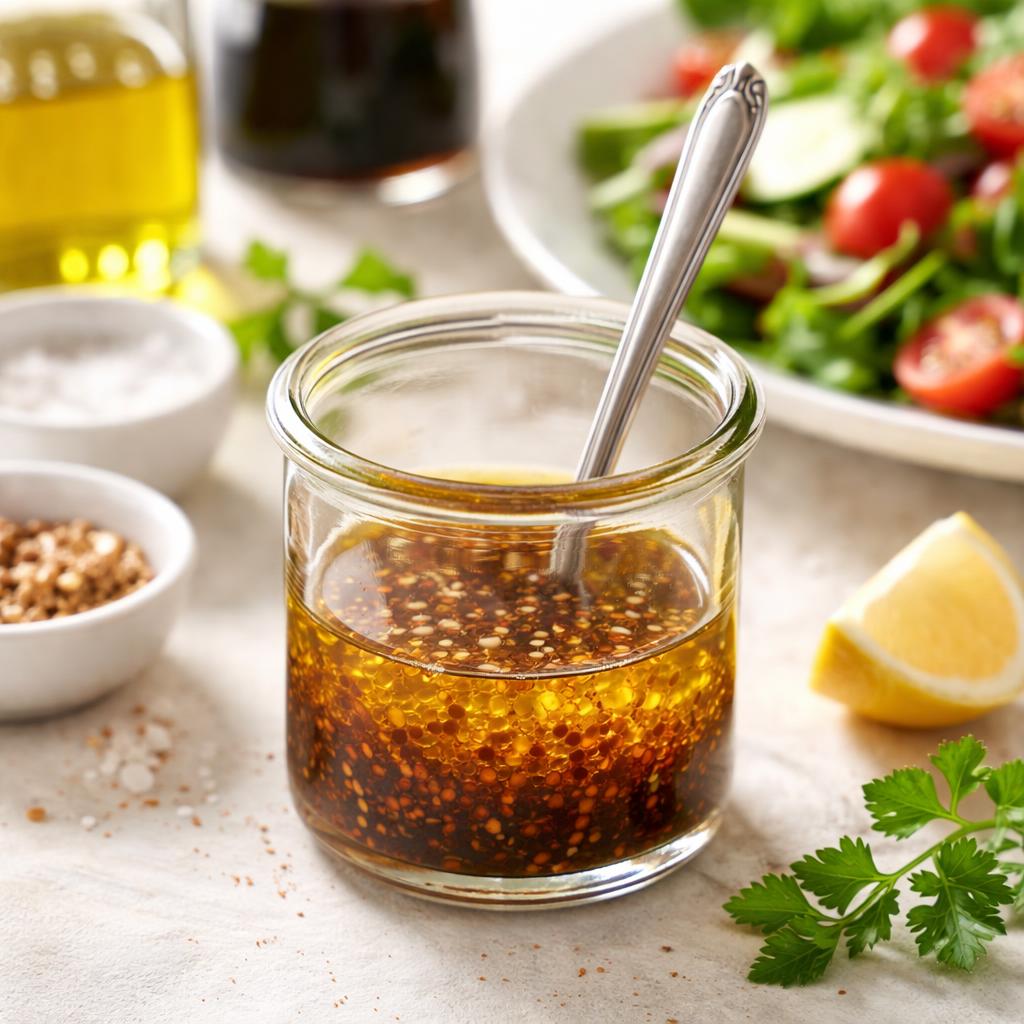
Oil And Vinegar Dressing
🎯 Quick Verdict
Rice and oil and vinegar dressing offer very different nutritional profiles. Rice provides energy through higher carbohydrates, along with small amounts of protein and fiber. Oil and vinegar dressing is calorie-dense due to fats but offers vitamins and minerals. Choose rice for satiety and sustained energy; opt for dressing to add healthy fats and flavor to meals.

Smart Nutrition Tracking with SnapCalorie

📊 Nutritional Comparison
Macronutrients
| Nutrient | Food 1 | Food 2 | Winner |
|---|---|---|---|
| Calories | 206 per cup (cooked) | 80 per 2 tablespoons | ✓ |
| Protein | 4.25g | 0.2g | ✓ |
| Carbs | 45g | 1g | ✓ |
| Fat | 0.44g | 7g | ✓ |
| Fiber | 0.6g | 0g | ✓ |
Vitamins & Minerals
| Nutrient | Food 1 | Food 2 | Winner |
|---|---|---|---|
| Vitamin D | 0mcg | 0mcg | − |
| Vitamin E | 0.1mg | 0.9mg | ✓ |
| Calcium | 14mg | 4mg | ✓ |
| Iron | 0.4mg | 0.1mg | ✓ |
🏆 Category Winners
Protein
Rice contains significantly more protein than oil and vinegar dressing.
Fiber
Rice contains a modest amount of fiber (0.6g per serving) compared to none in oil and vinegar dressing.
Calories
Oil and vinegar dressing provides fewer calories in proportion to its serving size.
Vitamins
Oil and vinegar dressing contains more Vitamin E, which benefits skin and immune health.
🥗 Diet Compatibility
Keto
Food 1: Not Compatible
Food 2: Compatible
Rice is high in carbohydrates, while oil and vinegar dressing is low-carb and high-fat.
Vegan
Food 1: Compatible
Food 2: Compatible
Both are plant-based foods.
Gluten Free
Food 1: Compatible
Food 2: Compatible
Neither contains gluten.
Paleo
Food 1: Compatible
Food 2: Compatible
Both can fit in a paleo diet when consuming whole foods.
Low-Carb
Food 1: Not Compatible
Food 2: Compatible
Rice is high in carbs, unlike oil and vinegar dressing.
💪 Health Benefits Comparison
Food 1 Benefits
- Good source of carbohydrates for energy
- Provides small amounts of protein for muscle repair
- Contains trace amounts of minerals like calcium and iron
Food 2 Benefits
- Rich in healthy fats for heart health (from oils)
- Provides antioxidants and anti-inflammatory benefits (from vinegar)
- Contains Vitamin E for skin health and protection against free radicals
✅ The Bottom Line
Rice is better for providing sustained energy and satiety given its higher carbohydrates, protein, and fiber content. Oil and vinegar dressing works well as a calorie-friendly addition to meals that enhances flavor, adds healthy fats, and provides antioxidant benefits.
Choose Food 1 for: Energy-boosting meals, muscle repair, main dishes
Choose Food 2 for: Adding flavor while maintaining low carbs, heart health, nutrient enhancement


