Rice VS Nuts
A detailed nutritional comparison
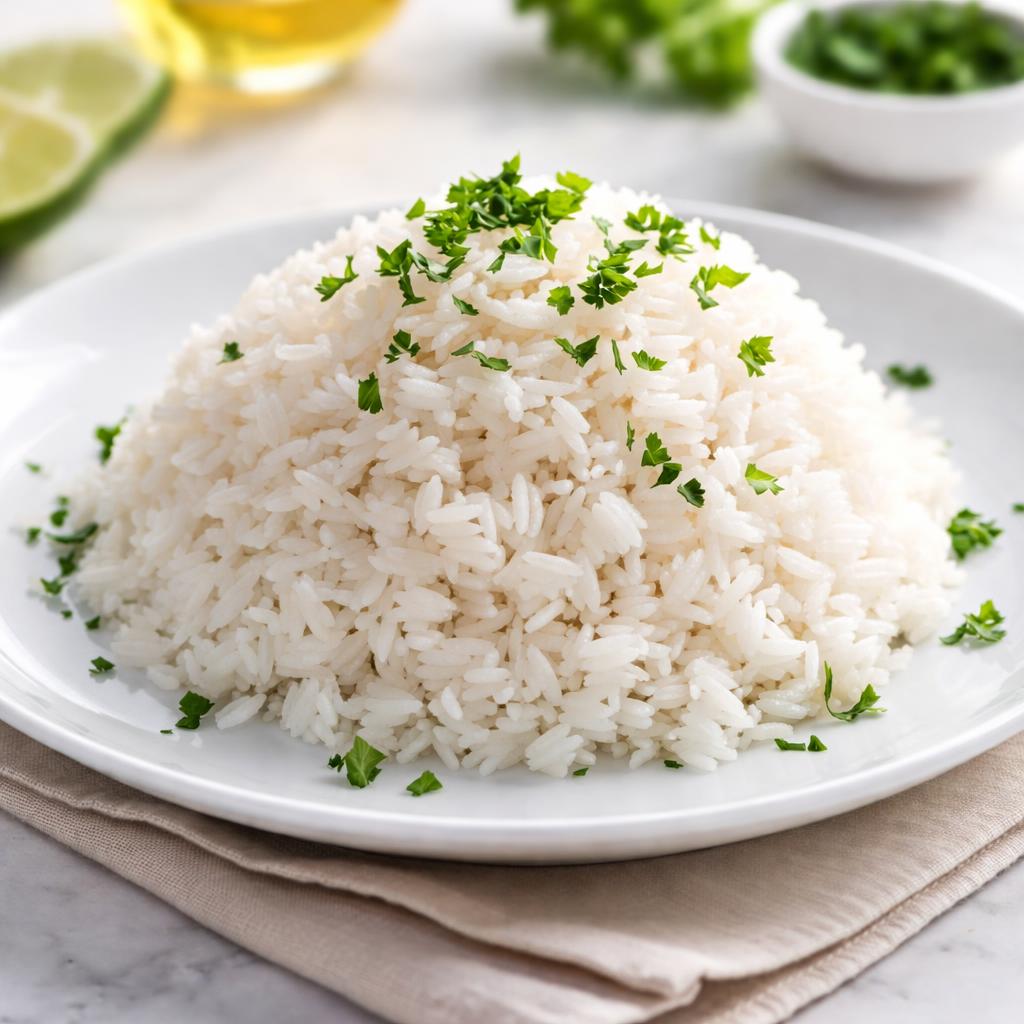
Rice
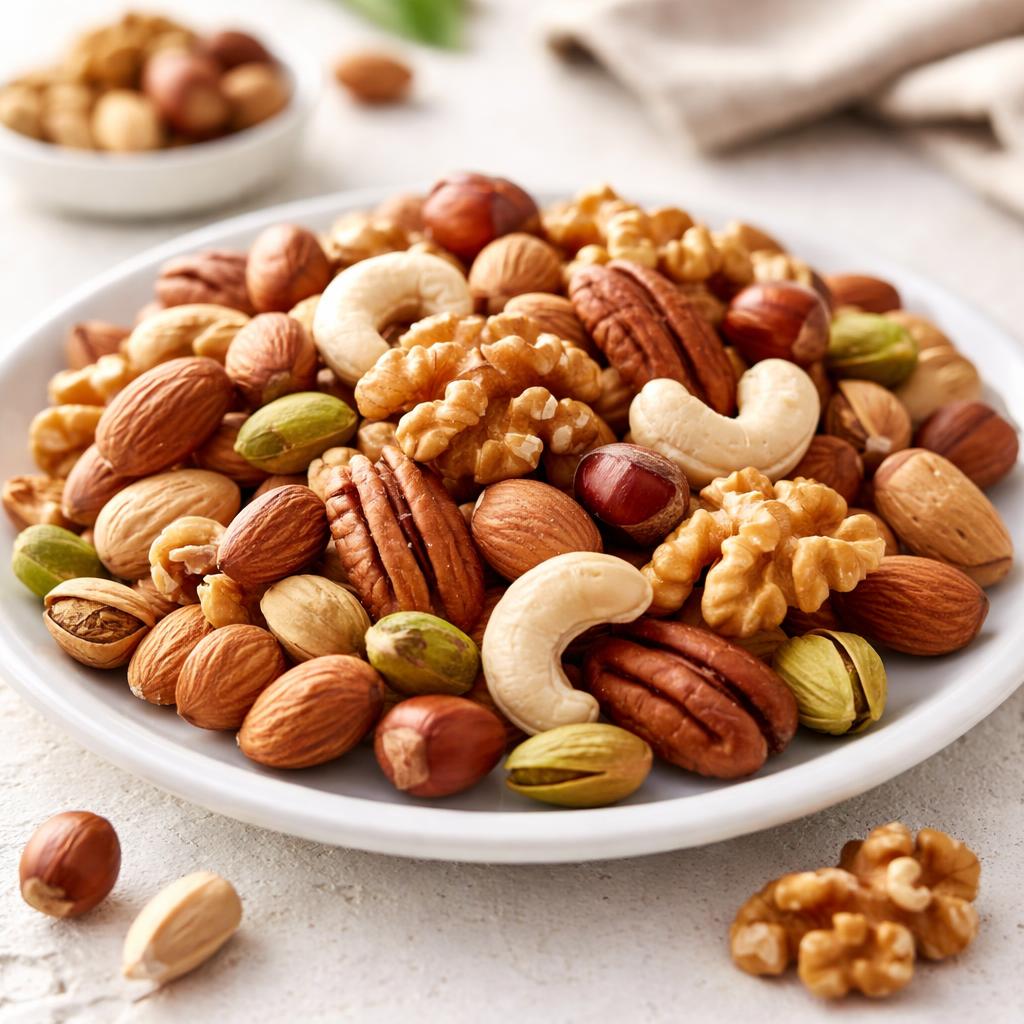
Nuts
🎯 Quick Verdict
Rice and nuts differ significantly in their nutritional profiles. Rice is calorie-light and a great source of easily digestible carbohydrates, while nuts are calorie-dense and packed with protein, fiber, healthy fats, and various micronutrients. Rice is better for quick, energy-rich meals, whereas nuts cater to nutrient density and satiety, ideal for snacking or adding healthy fat and protein to meals.

Smart Nutrition Tracking with SnapCalorie

📊 Nutritional Comparison
Macronutrients
| Nutrient | Food 1 | Food 2 | Winner |
|---|---|---|---|
| Calories | 130 per cup (cooked) | 600 per cup | ✓ |
| Protein | 2g | 20g | ✓ |
| Carbs | 28g | 16g | ✓ |
| Fat | 0g | 50g | ✓ |
| Fiber | 0g | 10g | ✓ |
Vitamins & Minerals
| Nutrient | Food 1 | Food 2 | Winner |
|---|---|---|---|
| Vitamin E | 0mg | 7mg (35% DV) | ✓ |
| Magnesium | 14mg (4% DV) | 150mg (38% DV) | ✓ |
| Iron | 0.5mg (6% DV) | 2mg (25% DV) | ✓ |
🏆 Category Winners
Protein
Nuts surpass rice significantly with 20g of protein versus rice's 2g per serving.
Fiber
Nuts provide 10g of fiber whereas rice contains negligible amounts.
Calories
Rice contains only 130 calories per cup compared to nuts' dense 600 calories per cup.
🥗 Diet Compatibility
Keto
Food 1: Not Compatible
Food 2: Compatible
Rice is high-carb (28g), while nuts are low-carb and high-fat.
Vegan
Food 1: Compatible
Food 2: Compatible
Both are plant-based foods suitable for vegan diets.
Gluten Free
Food 1: Compatible
Food 2: Compatible
Neither rice nor nuts contain gluten.
Paleo
Food 1: Not Compatible
Food 2: Compatible
Rice is excluded from paleo diets, while nuts are approved.
Low Carb
Food 1: Not Compatible
Food 2: Compatible
Rice is carb-heavy, while nuts fit low-carb criteria.
💪 Health Benefits Comparison
Food 1 Benefits
- Provides quick, digestible energy due to high carbohydrate content.
- Low in calories, making it suitable for weight management.
- Gluten-free and hypoallergenic, suitable for sensitive diets.
Food 2 Benefits
- Packed with protein, supporting muscle health and satiety.
- Rich in heart-healthy fats, particularly unsaturated fats.
- High in fiber to promote digestive health and sustained energy.
- Good source of magnesium for bone health and iron for oxygen transport.
✅ The Bottom Line
Rice is ideal for quick energy and calorie control but lacks key nutrients. Nuts are nutrient-dense, offering protein, fiber, and healthy fats, but are high-calorie. Choose rice for low-calorie meals and nuts for sustained energy and nutrient density.
Choose Food 1 for: Quick carbs, low-calorie diets, sensitive stomachs
Choose Food 2 for: Protein snacks, heart health, nutrient diversity


