Rice VS Naan
A detailed nutritional comparison
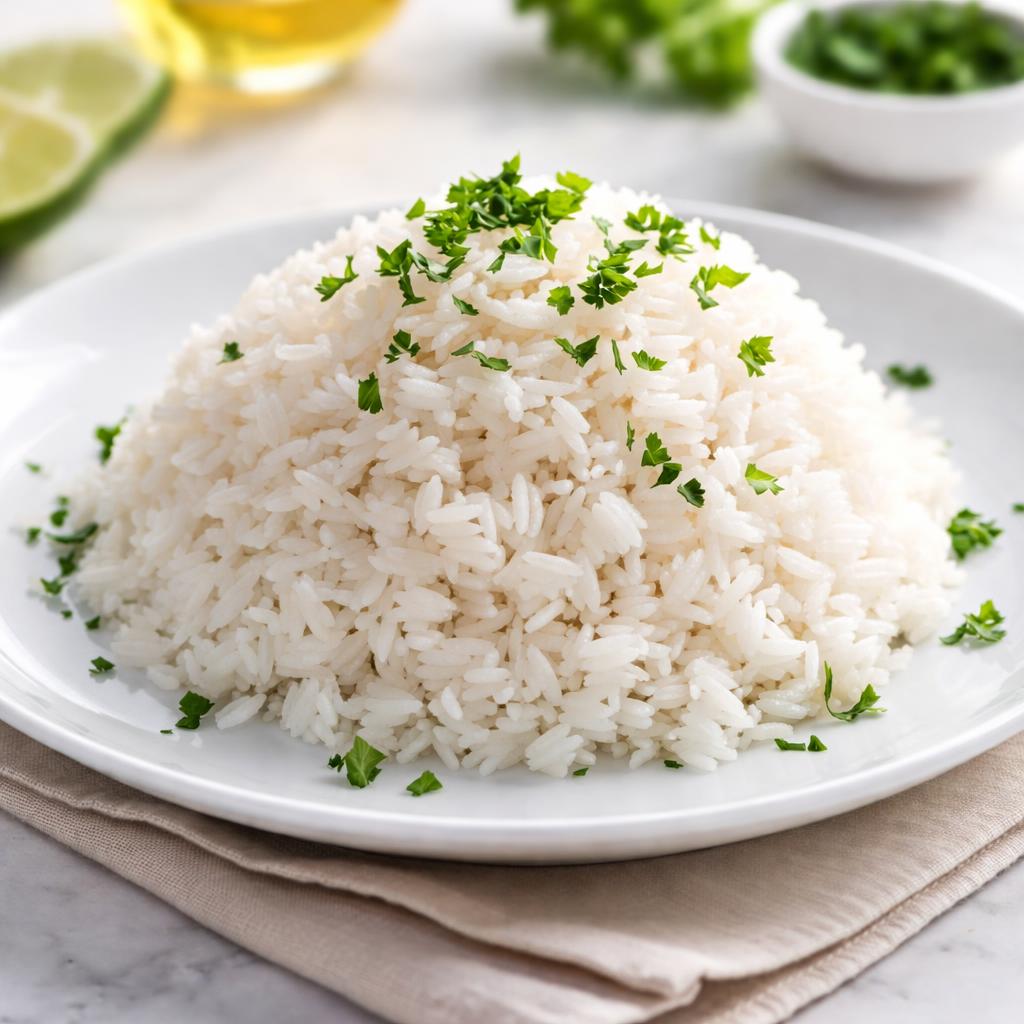
Rice

Naan
🎯 Quick Verdict
Rice and naan have distinct nutritional profiles. Rice is lower in calories, making it better for weight management, while naan is higher in protein and fiber, supporting satiation and digestion. Both are versatile and suit different dietary preferences, though rice is gluten-free while naan is not.

Smart Nutrition Tracking with SnapCalorie

📊 Nutritional Comparison
Macronutrients
| Nutrient | Food 1 | Food 2 | Winner |
|---|---|---|---|
| Calories | 206 (per 1 cup cooked white rice) | 260 (per 1 medium naan, 100g) | ✓ |
| Protein | 4.3g | 7.8g | ✓ |
| Carbs | 45.8g | 50g | ✓ |
| Fat | 0.4g | 7g | ✓ |
| Fiber | 0.6g | 2g | ✓ |
Vitamins & Minerals
| Nutrient | Food 1 | Food 2 | Winner |
|---|---|---|---|
| Vitamin B1 (Thiamine) | 0.28mg | 0.1mg | ✓ |
| Calcium | 10mg | 40mg | ✓ |
| Iron | 1.9mg | 3mg | ✓ |
🏆 Category Winners
Protein
Naan provides almost twice as much protein per serving compared to rice.
Fiber
Naan has more than three times the fiber content of rice, aiding digestion.
Calories
Rice is lower in calories, making it preferable for calorie-conscious diets.
🥗 Diet Compatibility
Keto
Food 1: Not Compatible
Food 2: Not Compatible
Both are high-carb foods.
Vegan
Food 1: Compatible
Food 2: Depends
Rice is strictly vegan; naan often contains dairy.
Gluten Free
Food 1: Compatible
Food 2: Not Compatible
Naan contains wheat, while rice is gluten-free.
Paleo
Food 1: Not Compatible
Food 2: Not Compatible
Both are grains, which are excluded in paleo diets.
Low-Carb
Food 1: Not Compatible
Food 2: Not Compatible
Both are high in carbohydrates.
💪 Health Benefits Comparison
Food 1 Benefits
- Excellent source of energy
- Gluten-free and suitable for those with gluten sensitivity
- Easily digestible, ideal for sensitive stomachs
Food 2 Benefits
- Higher in protein for muscle maintenance
- Good source of fiber for promoting healthy digestion
- Provides calcium and iron for bone and blood health
✅ The Bottom Line
Rice is a lower-calorie, gluten-free option best suited for calorie-conscious diets or those with gluten sensitivities. Naan offers more protein and fiber, making it a better choice for those seeking more filling and nutrient-dense meals. Choose rice for simplicity and fewer allergens; opt for naan for added flavor and satiation.
Choose Food 1 for: Weight management, light meals, gluten-free diets
Choose Food 2 for: Nutrient-dense meals, muscle support, satisfying snacks


