Rice VS Mochi
A detailed nutritional comparison
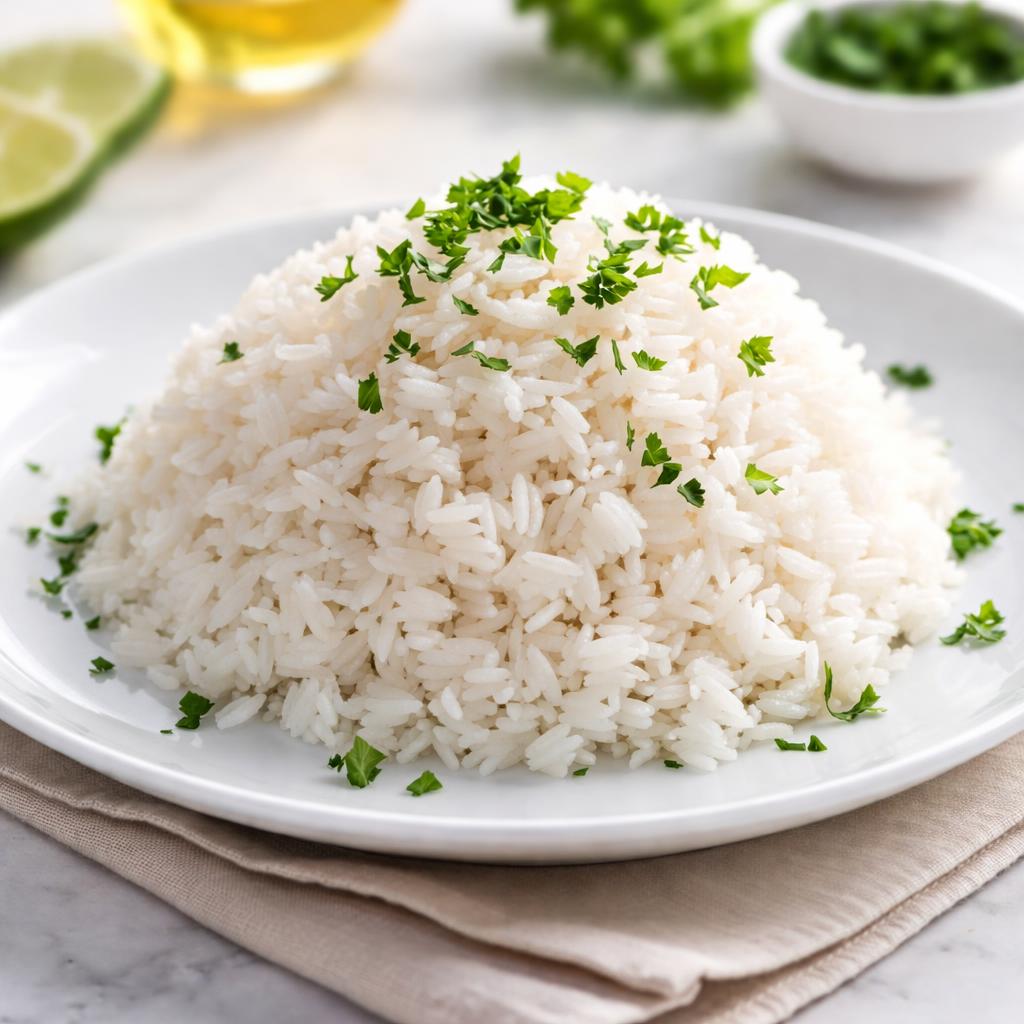
Rice
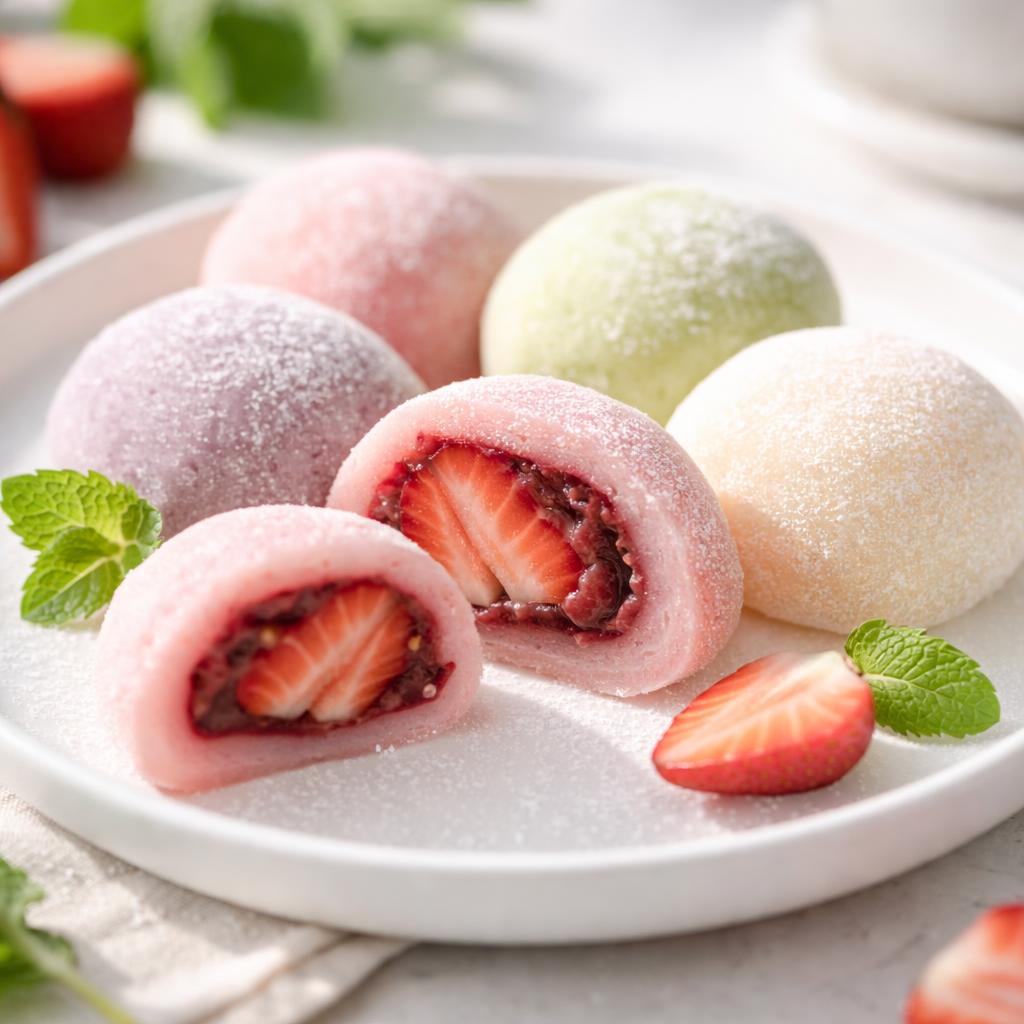
Mochi
🎯 Quick Verdict
Rice is a lower calorie and higher protein option compared to mochi, which is denser in carbohydrates and sugar. Rice is ideal for balanced meals or weight management, whereas mochi can be a calorie-dense treat, suitable for energy boosts in small portions.

Smart Nutrition Tracking with SnapCalorie

📊 Nutritional Comparison
Macronutrients
| Nutrient | Food 1 | Food 2 | Winner |
|---|---|---|---|
| Calories | 130 | 290 | ✓ |
| Protein | 3g | 2g | ✓ |
| Carbs | 28g | 65g | ✓ |
| Fat | 0.3g | 0.2g | ✓ |
| Fiber | 1g | 1g | − |
Vitamins & Minerals
| Nutrient | Food 1 | Food 2 | Winner |
|---|---|---|---|
| Vitamin A | 0mcg | 0mcg | − |
| Vitamin C | 0mg | 0mg | − |
| Calcium | 0mg | 6mg | ✓ |
| Iron | 0.2mg | 0.1mg | ✓ |
🏆 Category Winners
Protein
Rice has 50% more protein per serving compared to mochi.
Fiber
Both foods provide approximately 1g of fiber per serving.
Calories
Rice has less than half the calories of mochi.
Vitamins
Mochi has slightly more calcium, though overall vitamin content is low for both foods.
🥗 Diet Compatibility
Keto
Food 1: Not Compatible
Food 2: Not Compatible
Both are high-carb foods and not suitable for ketogenic diets.
Vegan
Food 1: Compatible
Food 2: Compatible
Both foods are plant-based and animal-product free.
Gluten Free
Food 1: Compatible
Food 2: Compatible
Both rice and mochi (made from glutinous rice) are naturally gluten-free.
Paleo
Food 1: Compatible
Food 2: Not Compatible
Rice is permissible in some versions of the Paleo diet, while mochi often contains added sugars, which are not allowed.
Low-Carb
Food 1: Not Compatible
Food 2: Not Compatible
Neither rice nor mochi is low in carbohydrates.
💪 Health Benefits Comparison
Food 1 Benefits
- Provides long-lasting energy due to complex carbohydrates
- Low in fat, making it suitable for weight management
- Gluten-free and easy to digest
Food 2 Benefits
- A dense source of carbohydrates for quick energy
- Calcium content is slightly higher for bone health
- Naturally gluten-free, safe for people with gluten intolerance
✅ The Bottom Line
Rice is the better option for balanced meals and maintaining lower calorie intake, while mochi is better suited as a high-carb snack for quick energy. Choose rice for weight management or versatile meal prep; opt for mochi for an occasional treat or energy boost.
Choose Food 1 for: Balanced meals, weight management, gluten-sensitive individuals
Choose Food 2 for: Energy boost, occasional desserts, high-carb needs


