Rice VS Minced Pork
A detailed nutritional comparison
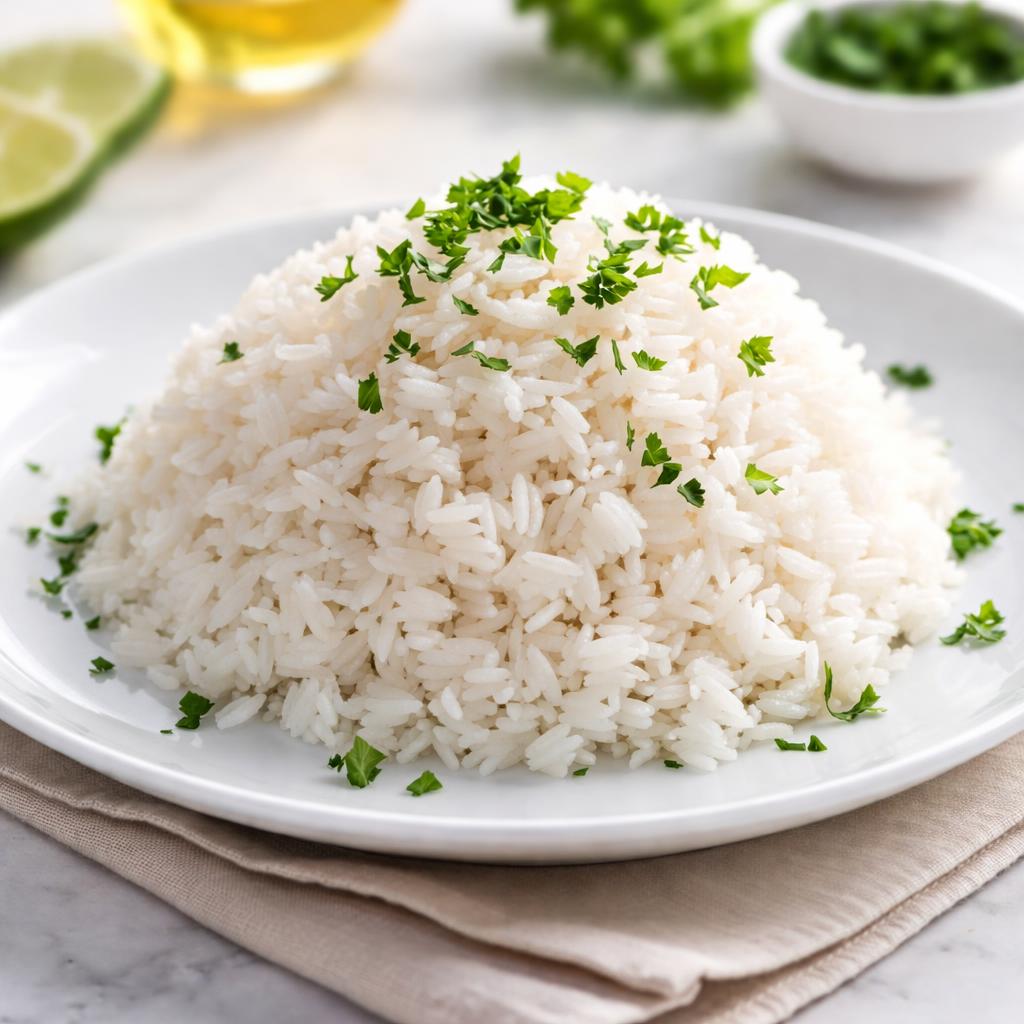
Rice
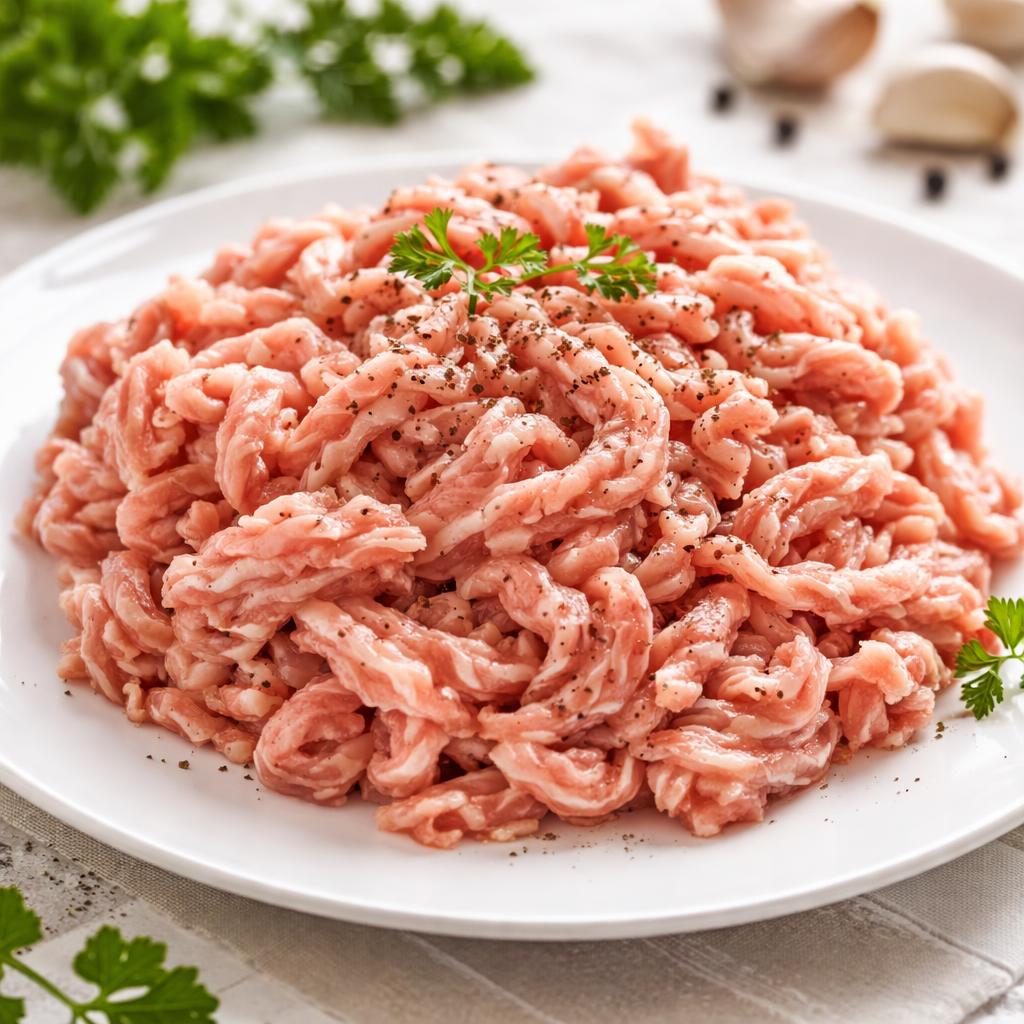
Minced Pork
🎯 Quick Verdict
Rice is primarily a carbohydrate source, while minced pork provides high-quality protein and fat. Minced pork is better suited for muscle building and keto diets, whereas rice is ideal for quick energy and post-workout carb replenishment. Pairing these two can create a balanced meal, depending on your dietary goals.

Smart Nutrition Tracking with SnapCalorie

📊 Nutritional Comparison
Macronutrients
| Nutrient | Food 1 | Food 2 | Winner |
|---|---|---|---|
| Calories | 130 per 100g (cooked) | 143 per 100g (cooked) | − |
| Protein | 2.7g per 100g | 19g per 100g | ✓ |
| Carbs | 28g per 100g | 0g per 100g | ✓ |
| Fat | 0.3g per 100g | 9.3g per 100g | ✓ |
| Fiber | 0.4g per 100g | 0.3g per 100g | − |
Vitamins & Minerals
| Nutrient | Food 1 | Food 2 | Winner |
|---|---|---|---|
| Vitamin B6 | 0.1mg per 100g | 0.6mg per 100g | ✓ |
| Vitamin D | 0mcg per 100g | 0.6mcg per 100g | ✓ |
| Iron | 0.2mg per 100g | 1.2mg per 100g | ✓ |
| Calcium | 10mg per 100g | 11mg per 100g | − |
🏆 Category Winners
Protein
Minced pork contains significantly more protein, ideal for muscle building.
Fiber
Both foods provide very low fiber content.
Calories
Both have similar calorie counts per 100g when cooked.
Vitamins
Minced pork is superior in Vitamin B6, Vitamin D, and iron compared to rice.
🥗 Diet Compatibility
Keto
Food 1: Not Compatible
Food 2: Compatible
Rice is high in carbs, while minced pork is low-carb and high-fat.
Vegan
Food 1: Compatible
Food 2: Not Compatible
Rice is plant-based, but minced pork is animal-based.
Gluten Free
Food 1: Compatible
Food 2: Compatible
Neither contains gluten.
Paleo
Food 1: Not Compatible
Food 2: Compatible
Rice is excluded from paleo diets, but minced pork fits well.
Low Carb
Food 1: Not Compatible
Food 2: Compatible
Minced pork is low-carb; rice is high in carbohydrates.
💪 Health Benefits Comparison
Food 1 Benefits
- High in carbohydrates for energy replenishment
- Low in fat for weight management
- Provides small amounts of vitamins and minerals
Food 2 Benefits
- Rich in protein for muscle repair and maintenance
- Source of healthy fats for satiety and energy
- Provides iron for blood health and Vitamin D for bone health
✅ The Bottom Line
Choose minced pork if you need more protein, are on a low-carb or keto diet, or aim to increase healthy fat intake. Opt for rice when immediate energy or carb loading is necessary, such as before or after workouts. Both can be complementary for balanced meal preparation.
Choose Food 1 for: Energy replenishment, carb-loading, vegan diets
Choose Food 2 for: Muscle building, keto diets, nutrient density


