Rice VS Minced Meat
A detailed nutritional comparison
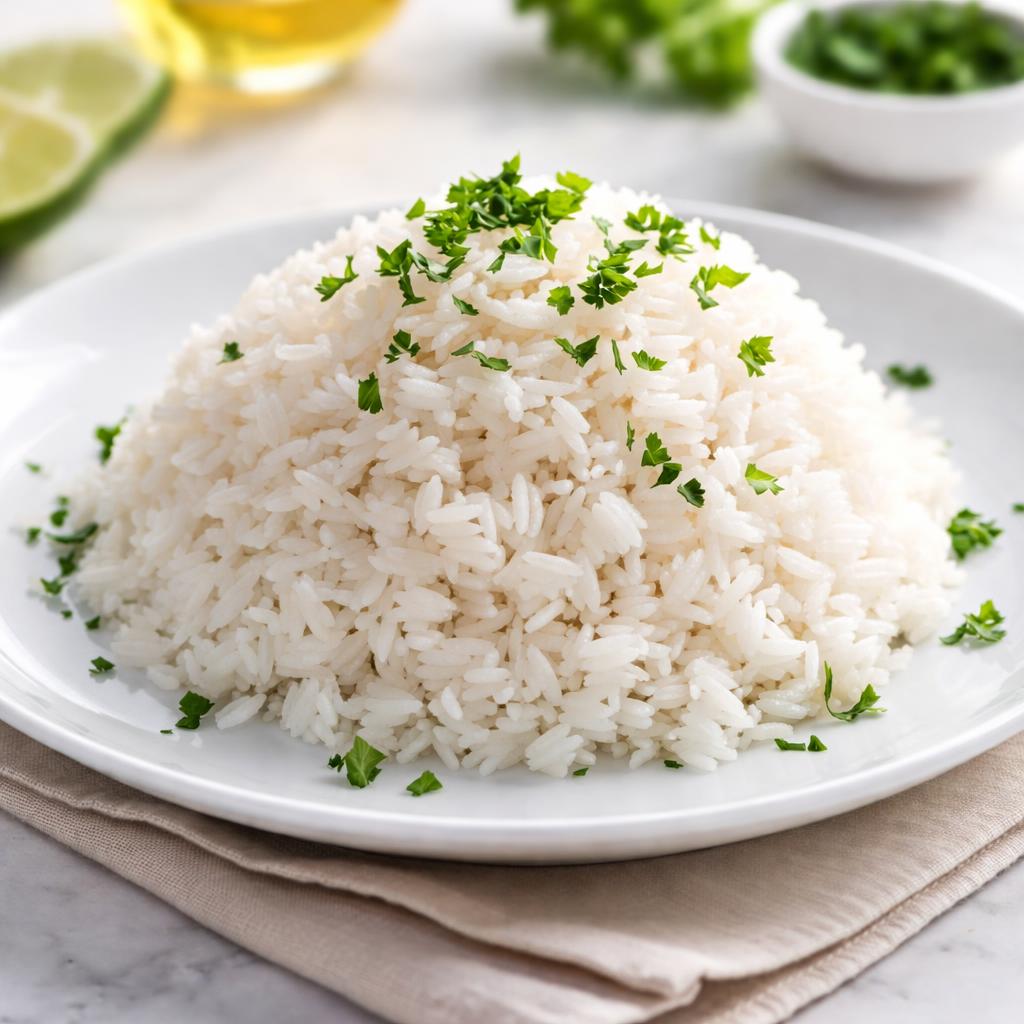
Rice
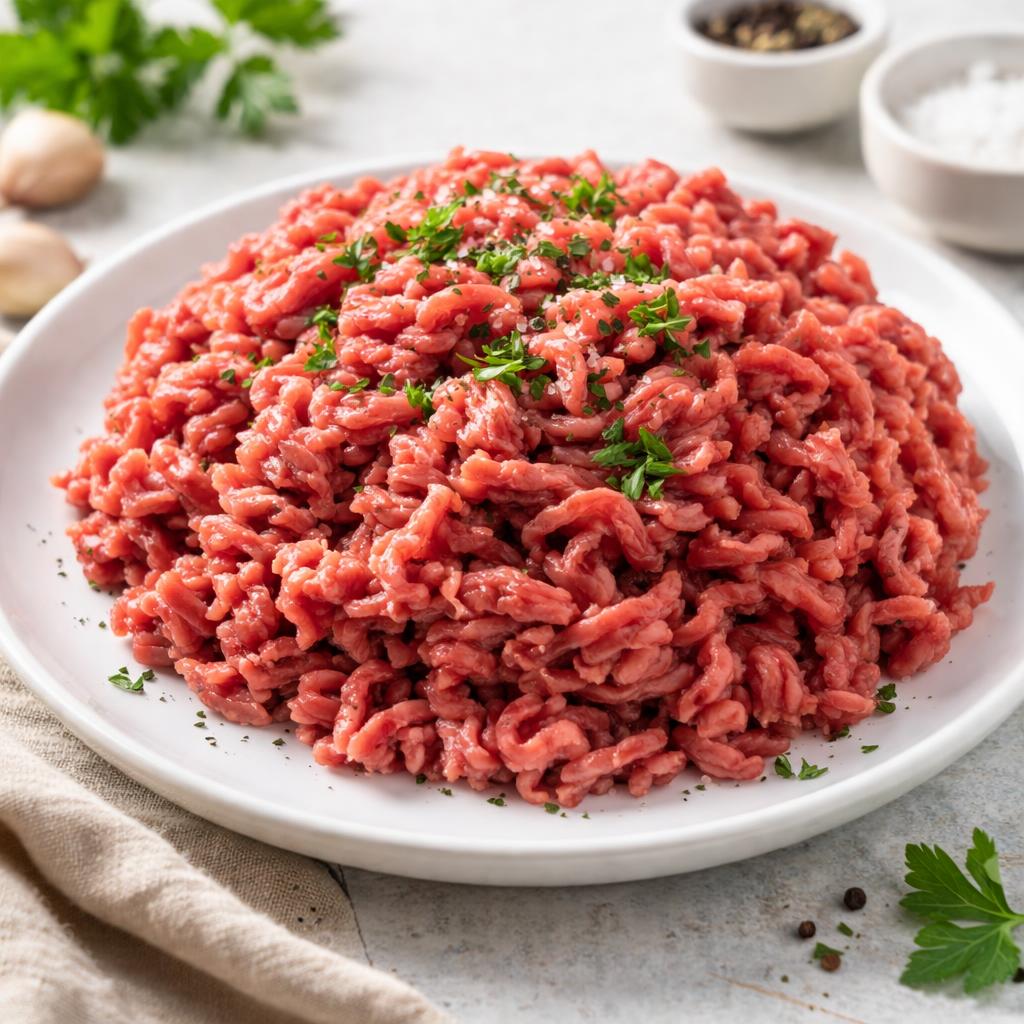
Minced Meat
🎯 Quick Verdict
Minced meat is much higher in protein and healthy fats, making it ideal for muscle-building or high-energy diets. Rice, on the other hand, is lower in calories and contains carbohydrates and fiber, making it a better choice for sustained energy and digestion. Both foods can complement each other for balanced meals depending on dietary goals.

Smart Nutrition Tracking with SnapCalorie

📊 Nutritional Comparison
Macronutrients
| Nutrient | Food 1 | Food 2 | Winner |
|---|---|---|---|
| Calories | 130 per 100g | 250 per 100g | ✓ |
| Protein | 2.7g per 100g | 25g per 100g | ✓ |
| Carbs | 28g per 100g | 0g per 100g | ✓ |
| Fat | 0.3g per 100g | 20g per 100g | ✓ |
| Fiber | 0.8g per 100g | 0g per 100g | ✓ |
Vitamins & Minerals
| Nutrient | Food 1 | Food 2 | Winner |
|---|---|---|---|
| Vitamin B12 | 0mcg | 2.4mcg per 100g | ✓ |
| Iron | 0.2mg per 100g | 2.7mg per 100g | ✓ |
| Vitamin D | 0mcg | 0.1mcg per 100g | ✓ |
🏆 Category Winners
Protein
Minced meat contains 9x more protein than rice per 100g.
Fiber
Rice has a small edge in fiber while minced meat contains none.
Calories
Rice has about half the calories of minced meat per 100g.
Vitamins
Minced meat provides essential vitamins like B12 and iron absent in rice.
🥗 Diet Compatibility
Keto
Food 1: Not Compatible
Food 2: Compatible
Rice is high in carbs, while minced meat is carb-free.
Vegan
Food 1: Compatible
Food 2: Not Compatible
Rice is plant-based, whereas minced meat is animal-based.
Gluten Free
Food 1: Compatible
Food 2: Compatible
Neither food contains gluten.
Paleo
Food 1: Not Compatible
Food 2: Compatible
Rice is a grain, which is excluded from the paleo diet, while minced meat fits paleo standards.
Low Carb
Food 1: Not Compatible
Food 2: Compatible
Rice is carb-heavy, while minced meat is carb-free.
💪 Health Benefits Comparison
Food 1 Benefits
- Good source of easily digestible carbohydrates for energy
- Low-fat option suitable for weight management
- Contains small amounts of fiber for digestion
Food 2 Benefits
- Excellent source of protein for muscle growth and repair
- Rich in iron for healthy red blood cell production
- Provides vitamin B12 for nerve function and energy metabolism
✅ The Bottom Line
Rice is the better choice if calorie control and carbohydrate intake are priorities, suited for sustained energy and digestion. Minced meat is superior for protein-heavy diets, particularly those focused on muscle building and nutrient density. Combining the two creates a balanced meal for most dietary needs.
Choose Food 1 for: Low-fat diets, energy needs, vegan diets
Choose Food 2 for: Muscle-building, keto diets, iron deficiency support


