Rice VS Milk
A detailed nutritional comparison
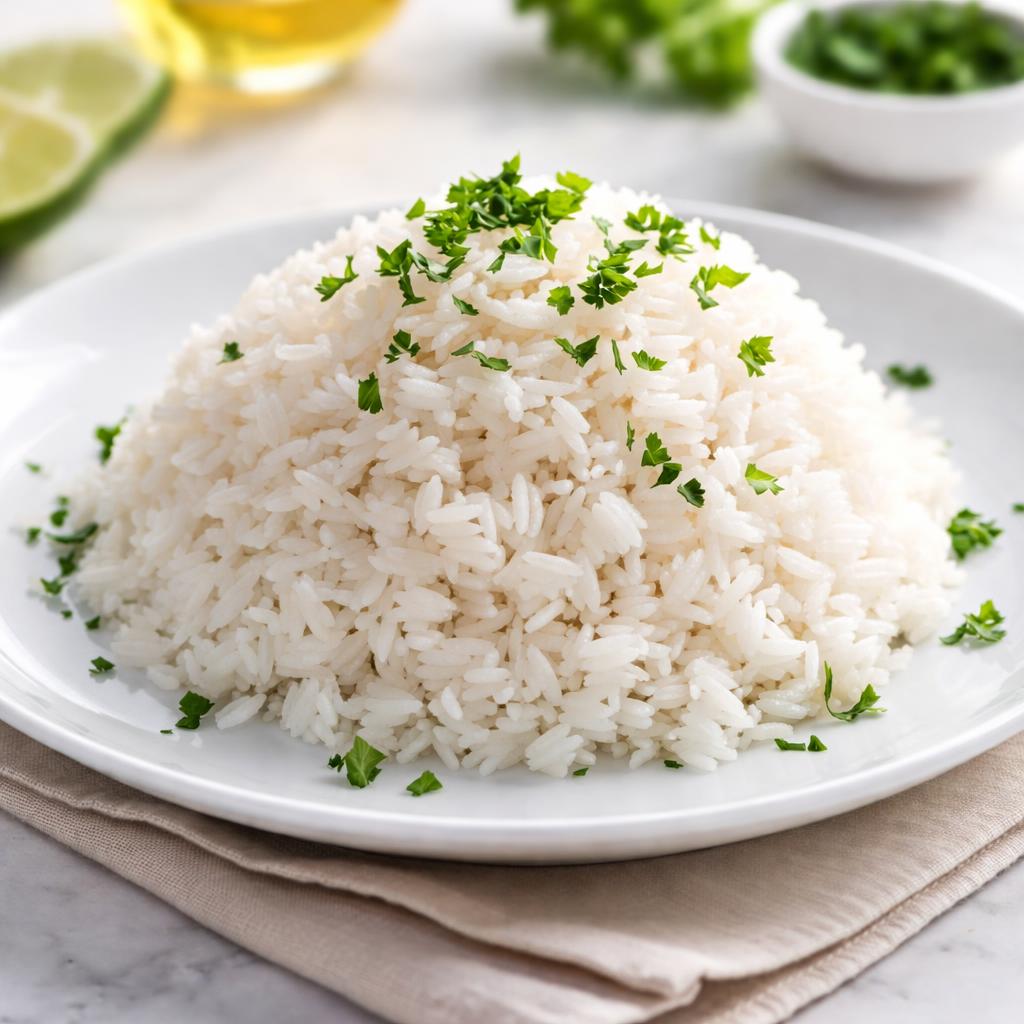
Rice
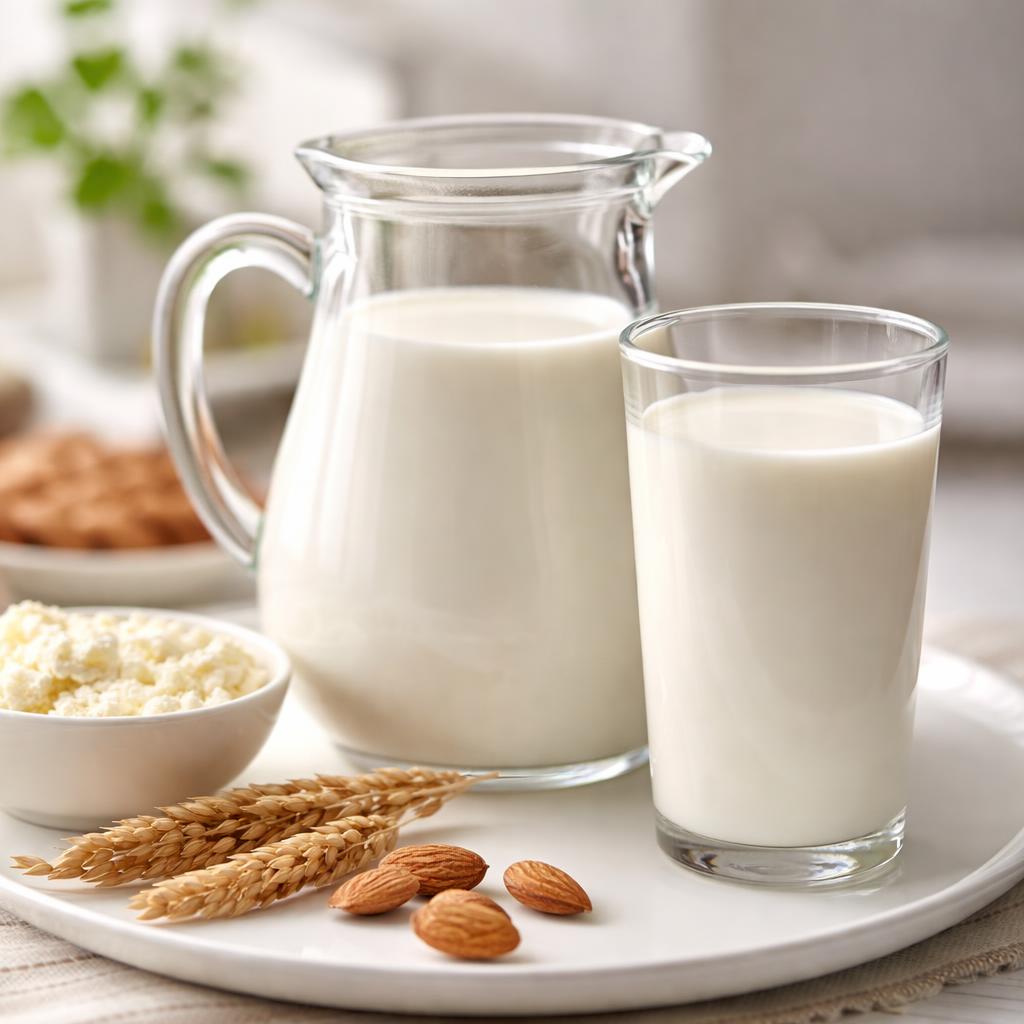
Milk
🎯 Quick Verdict
Rice is primarily a carbohydrate source with some fiber, making it a quick energy option for active individuals. Milk is rich in protein, calcium, and other vitamins, making it an excellent choice for muscle growth and bone health. While rice excels in supporting digestion due to its fiber content, milk provides more balanced nutrition with macronutrients and micronutrients combined. The choice depends on dietary needs and individual goals.

Smart Nutrition Tracking with SnapCalorie

📊 Nutritional Comparison
Macronutrients
| Nutrient | Food 1 | Food 2 | Winner |
|---|---|---|---|
| Calories | 130 (per 100g cooked) | 42 (per 100ml) | ✓ |
| Protein | 2.7g | 3.4g | ✓ |
| Carbs | 28g | 4.8g | ✓ |
| Fat | 0.3g | 1g | ✓ |
| Fiber | 0.4g | 0g | ✓ |
Vitamins & Minerals
| Nutrient | Food 1 | Food 2 | Winner |
|---|---|---|---|
| Vitamin D | 0mcg | 1mcg | ✓ |
| Calcium | 10mg | 120mg | ✓ |
| Iron | 0.2mg | 0mg | ✓ |
🏆 Category Winners
Protein
Milk provides over 25% more protein per equivalent portion than rice.
Fiber
Rice contains dietary fiber whereas milk has none.
Calories
Milk has significantly fewer calories per portion compared to rice.
Vitamins
Milk is richer in Vitamin D and calcium, which are critical for bone health.
🥗 Diet Compatibility
Keto
Food 1: Not Compatible
Food 2: Compatible
Milk is low-carb, whereas rice is high in carbohydrates.
Vegan
Food 1: Compatible
Food 2: Not Compatible
Rice is plant-based, milk is animal-based.
Gluten Free
Food 1: Compatible
Food 2: Compatible
Both foods are naturally free of gluten.
Paleo
Food 1: Not Compatible
Food 2: Compatible
Rice is a grain, which is not allowed in paleo diets, but milk aligns with paleo principles depending on allowances.
Low Carb
Food 1: Not Compatible
Food 2: Compatible
Rice is high in carbohydrates (28g per serving), while milk is low-carb (4.8g).
💪 Health Benefits Comparison
Food 1 Benefits
- Provides quick energy due to high carbohydrate content
- Low in fat, making it a light food option
- Contains trace amounts of iron for healthy blood production
Food 2 Benefits
- Excellent source of protein to support muscle growth and repair
- High in calcium for strengthening teeth and bones
- Rich in Vitamin D to support immune function and bone health
✅ The Bottom Line
Choose rice for high-energy meals or as part of a vegan or gluten-free diet. Milk is better for balanced nutrition, muscle health, and bone support. Each food fits specific dietary preferences and goals.
Choose Food 1 for: Energy replenishment, vegan-friendly, gluten-free meals
Choose Food 2 for: Bone health, muscle recovery, low-carb diets


