Rice VS Large Egg
A detailed nutritional comparison
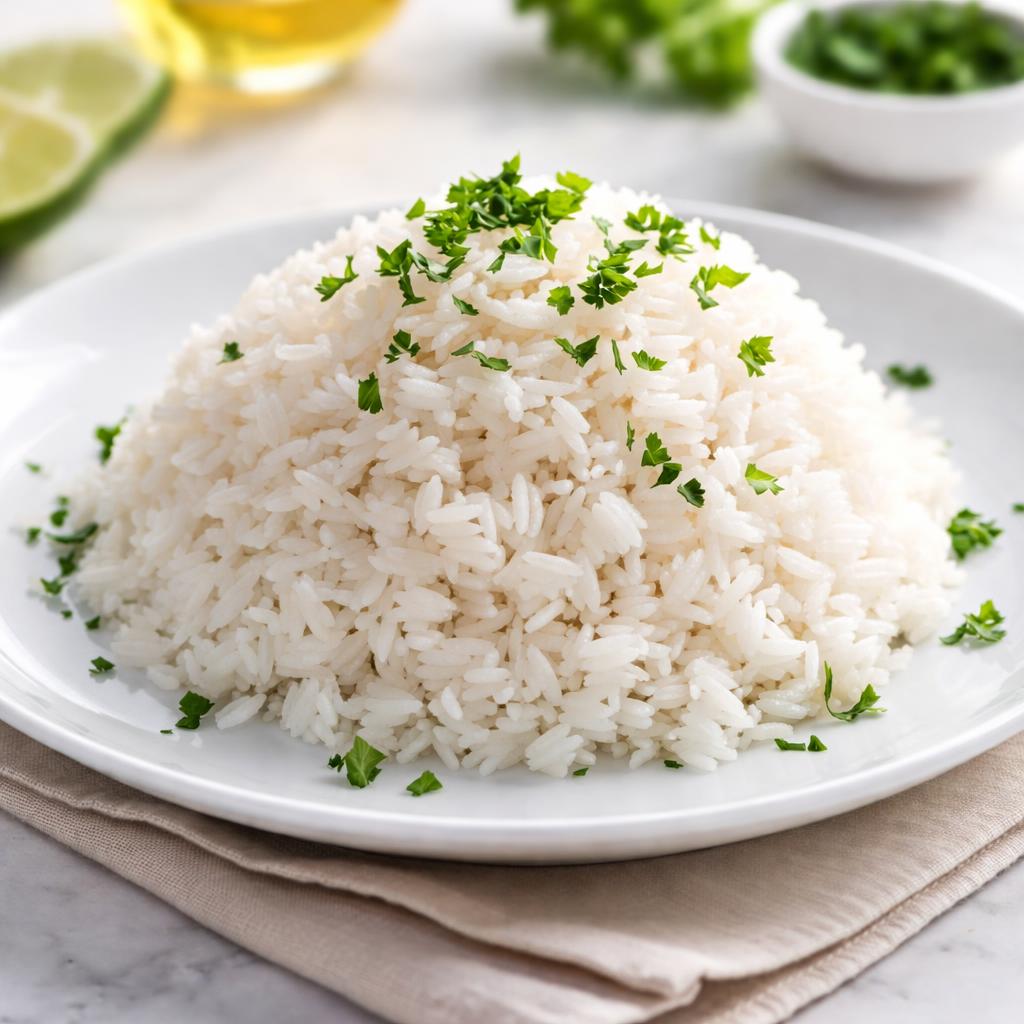
Rice
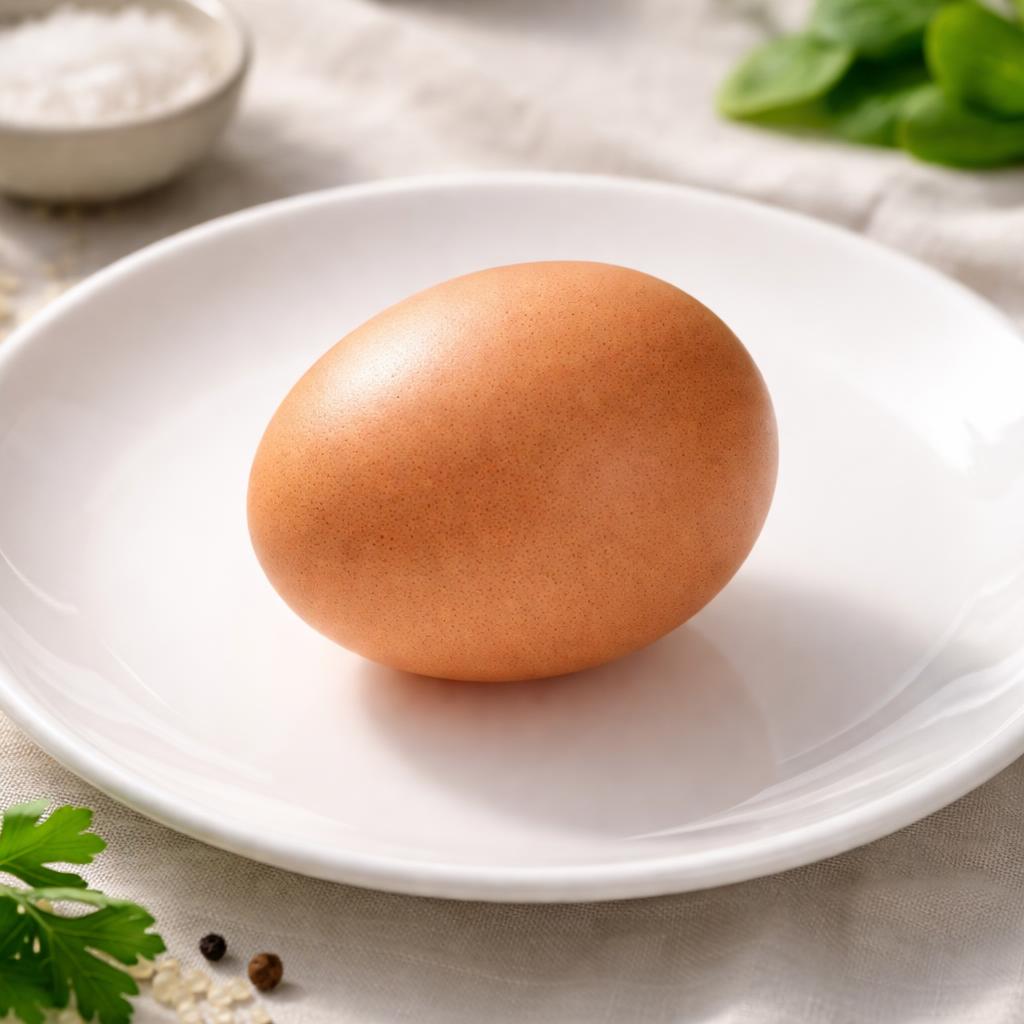
Large Egg
🎯 Quick Verdict
Rice is a carbohydrate-rich food that provides energy and is a good source of fiber, while large eggs are protein-packed and nutrient-dense with fewer calories than rice. Rice is better for sustained energy, whereas eggs offer a complete protein profile crucial for muscle repair and overall health.

Smart Nutrition Tracking with SnapCalorie

📊 Nutritional Comparison
Macronutrients
| Nutrient | Food 1 | Food 2 | Winner |
|---|---|---|---|
| Calories | 206 (1 cup cooked) | 70 (1 large egg) | ✓ |
| Protein | 4.3g | 6.3g | ✓ |
| Carbs | 44.8g | 0.6g | ✓ |
| Fat | 0.4g | 5g | ✓ |
| Fiber | 0.6g | 0g | ✓ |
Vitamins & Minerals
| Nutrient | Food 1 | Food 2 | Winner |
|---|---|---|---|
| Vitamin D | 0mcg | 1.1mcg | ✓ |
| Calcium | 18mg | 30mg | ✓ |
| Iron | 0.2mg | 0.9mg | ✓ |
🏆 Category Winners
Protein
Food2 (large egg) provides nearly 50% more protein per serving.
Fiber
Food1 (rice) contains trace fiber while food2 (egg) contains none.
Calories
Food2 has approximately 66% fewer calories per serving.
Vitamins
Large eggs are richer in essential vitamins such as vitamin D and iron compared to rice.
🥗 Diet Compatibility
Keto
Food 1: Not Compatible
Food 2: Compatible
Rice is high in carbs (44.8g per cup), making it unsuitable for keto diets.
Vegan
Food 1: Compatible
Food 2: Not Compatible
Rice is plant-based, while eggs are animal-derived.
Gluten Free
Food 1: Compatible
Food 2: Compatible
Neither food contains gluten.
Paleo
Food 1: Not Compatible
Food 2: Compatible
Rice is not allowed on paleo diets, while eggs are fully compatible.
Low-Carb
Food 1: Not Compatible
Food 2: Compatible
Rice is very high in carbs, while eggs are low-carb and suitable for low-carb diets.
💪 Health Benefits Comparison
Food 1 Benefits
- Provides sustained energy due to high carbohydrate content
- Low in fat, ideal for low-fat diets
- Contains trace amounts of essential minerals like manganese and selenium
Food 2 Benefits
- Rich in high-quality protein crucial for muscle repair
- Excellent source of choline, supporting brain health
- Contains vitamin D, promoting bone health and immunity
- Provides heart-healthy fats, particularly unsaturated fats
✅ The Bottom Line
Rice is an energy powerhouse suitable for those needing sustained energy, such as athletes or those with high activity levels. Large eggs are perfect for those prioritizing protein intake, muscle-building, and nutrient density with lower calorie content. Opt for rice if you need a quick carb source, and choose eggs for protein-packed meals or snacks.
Choose Food 1 for: Energy for athletes, vegan diets, main carbohydrate source
Choose Food 2 for: Muscle repair, weight loss, nutrient-dense diets


