Rice VS Lamb
A detailed nutritional comparison
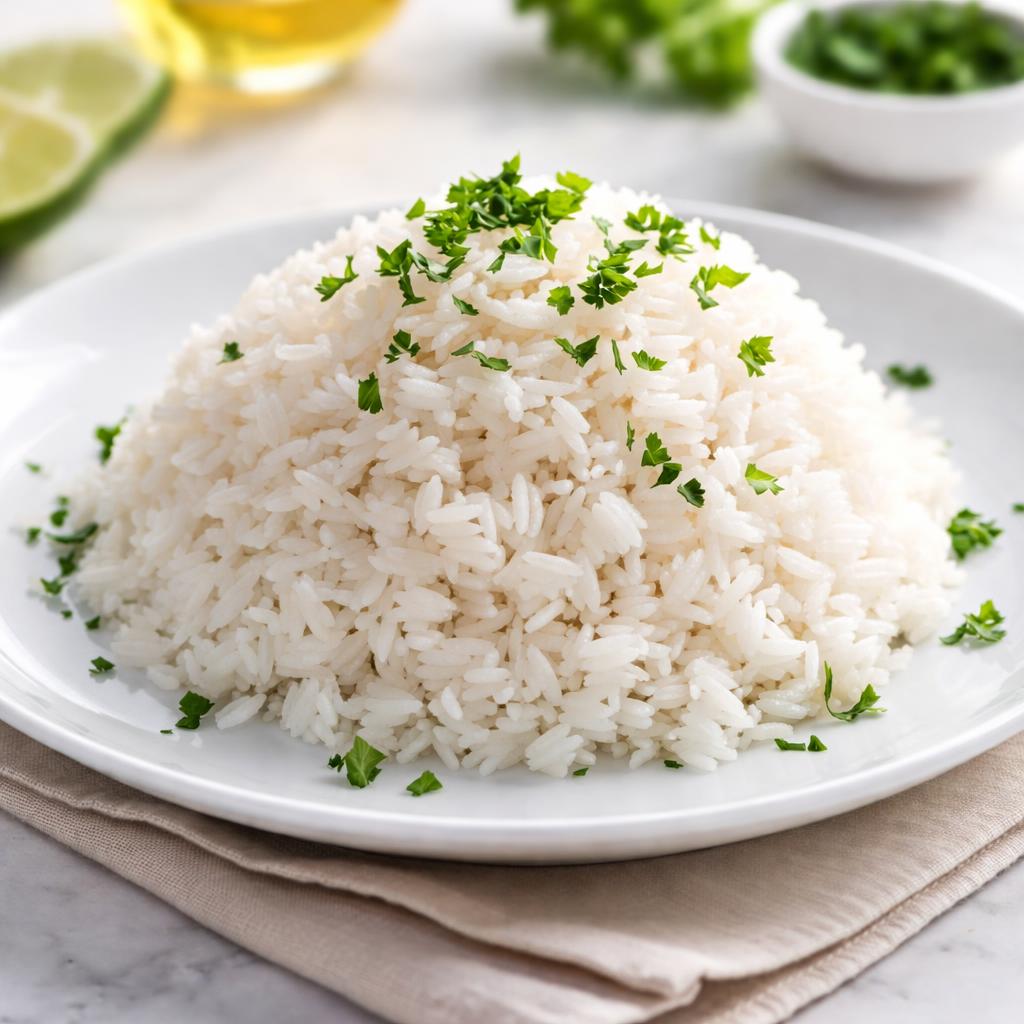
Rice
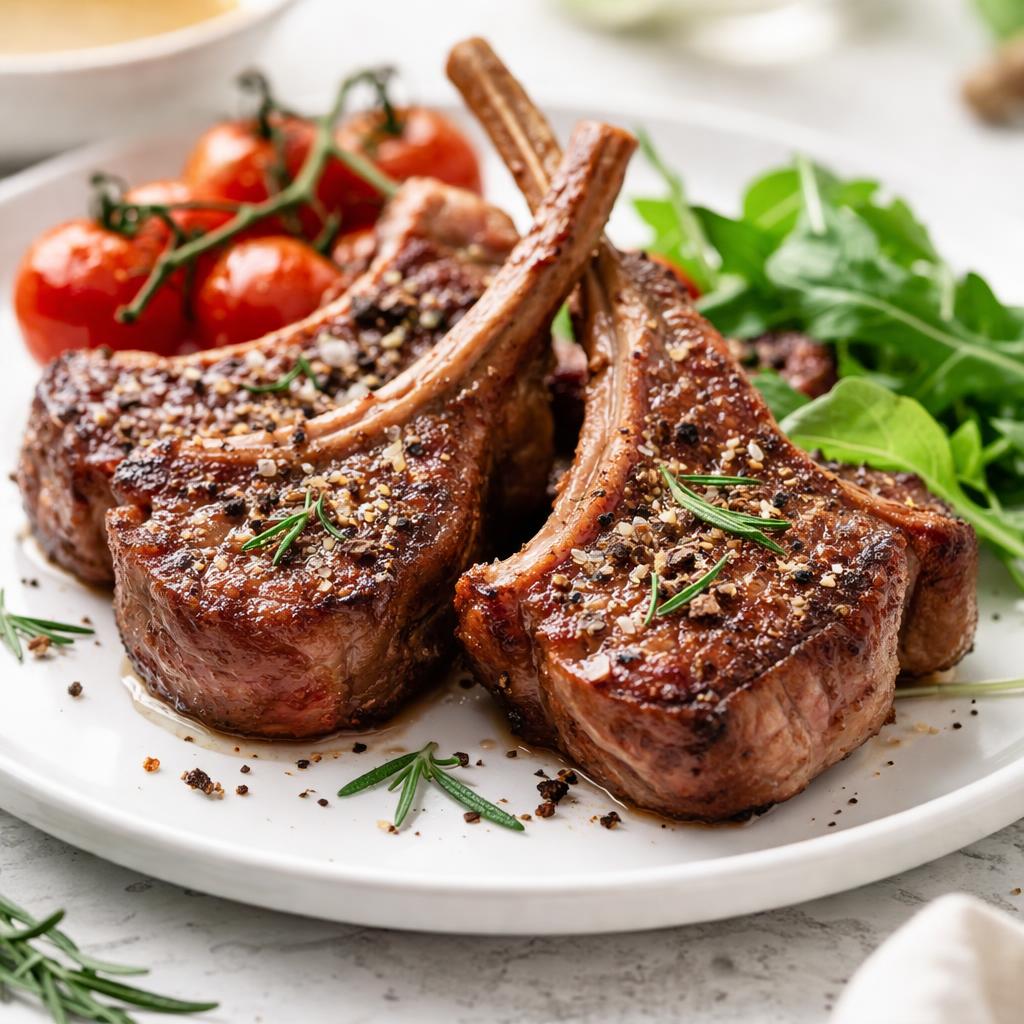
Lamb
🎯 Quick Verdict
Lamb is significantly higher in protein and essential vitamins like iron and vitamin B12 compared to rice, making it ideal for muscle growth and energy production. Rice is much lower in calories and fat, and provides more fiber, making it a better option for digestion and weight management goals. Each food has distinct strengths suited for different dietary needs.

Smart Nutrition Tracking with SnapCalorie

📊 Nutritional Comparison
Macronutrients
| Nutrient | Food 1 | Food 2 | Winner |
|---|---|---|---|
| Calories | 130 (per 100g) | 250 (per 100g) | ✓ |
| Protein | 2.7g (per 100g) | 25g (per 100g) | ✓ |
| Carbs | 28g (per 100g) | 0g (per 100g) | ✓ |
| Fat | 0.3g (per 100g) | 20g (per 100g) | ✓ |
| Fiber | 0.4g (per 100g) | 0g (per 100g) | ✓ |
Vitamins & Minerals
| Nutrient | Food 1 | Food 2 | Winner |
|---|---|---|---|
| Vitamin B12 | 0mcg | 2.5mcg (per 100g) | ✓ |
| Iron | 0.2mg (per 100g) | 2.1mg (per 100g) | ✓ |
| Calcium | 10mg (per 100g) | 6mg (per 100g) | ✓ |
🏆 Category Winners
Protein
Lamb provides almost 10x more protein than rice per serving.
Fiber
Rice contains 0.4g of fiber, compared to 0g in lamb.
Calories
Rice has significantly fewer calories per serving, making it better for weight management.
Vitamins
Lamb is rich in vitamin B12 and iron, essential for energy and blood health.
🥗 Diet Compatibility
Keto
Food 1: Not Compatible
Food 2: Compatible
Lamb is low-carb, whereas rice is high in carbohydrates.
Vegan
Food 1: Compatible
Food 2: Not Compatible
Rice is plant-based; lamb is animal-based.
Gluten Free
Food 1: Compatible
Food 2: Compatible
Neither food contains gluten.
Paleo
Food 1: Not Compatible
Food 2: Compatible
Only lamb aligns with paleo principles as rice is a grain.
Low-Carb
Food 1: Not Compatible
Food 2: Compatible
Lamb is carb-free, while rice is high-carb.
💪 Health Benefits Comparison
Food 1 Benefits
- Low in calories, supporting weight management
- Moderate fiber content assists digestion
- Provides sustained energy due to carbohydrate content
Food 2 Benefits
- Rich in protein, supporting muscle growth and repair
- High in vitamin B12, essential for red blood cell production and energy metabolism
- Contains iron, supporting oxygen transport and blood health
- Loaded with healthy fats beneficial for long-term energy and hormonal health
✅ The Bottom Line
Choose rice for lower calories, easier digestion, and plant-based diets. Opt for lamb for high protein, essential nutrients like iron and vitamin B12, and low-carb diets such as keto or paleo. Each food serves unique roles depending on dietary goals.
Choose Food 1 for: Weight management, vegan diets, sustained energy
Choose Food 2 for: Muscle growth, keto/paleo diets, nutrient density


