Rice VS Japanese Curry
A detailed nutritional comparison
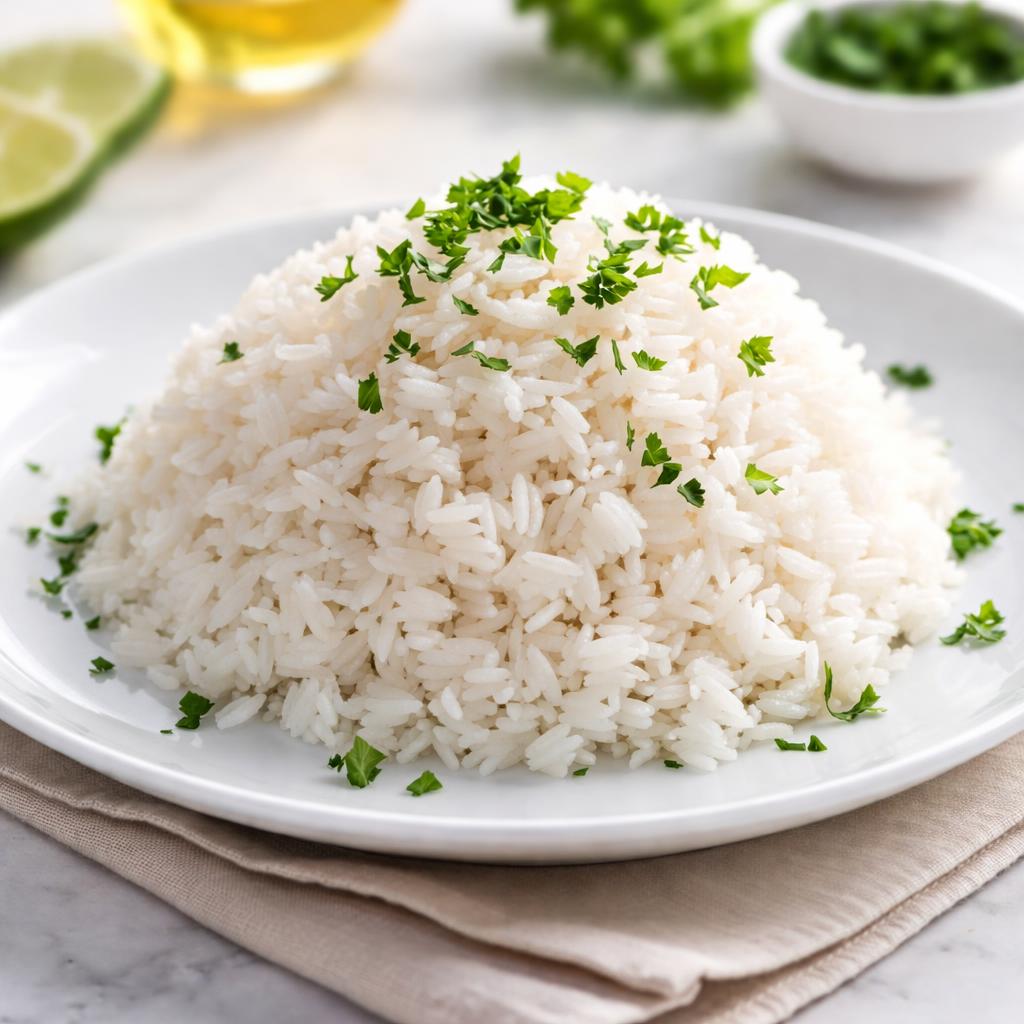
Rice
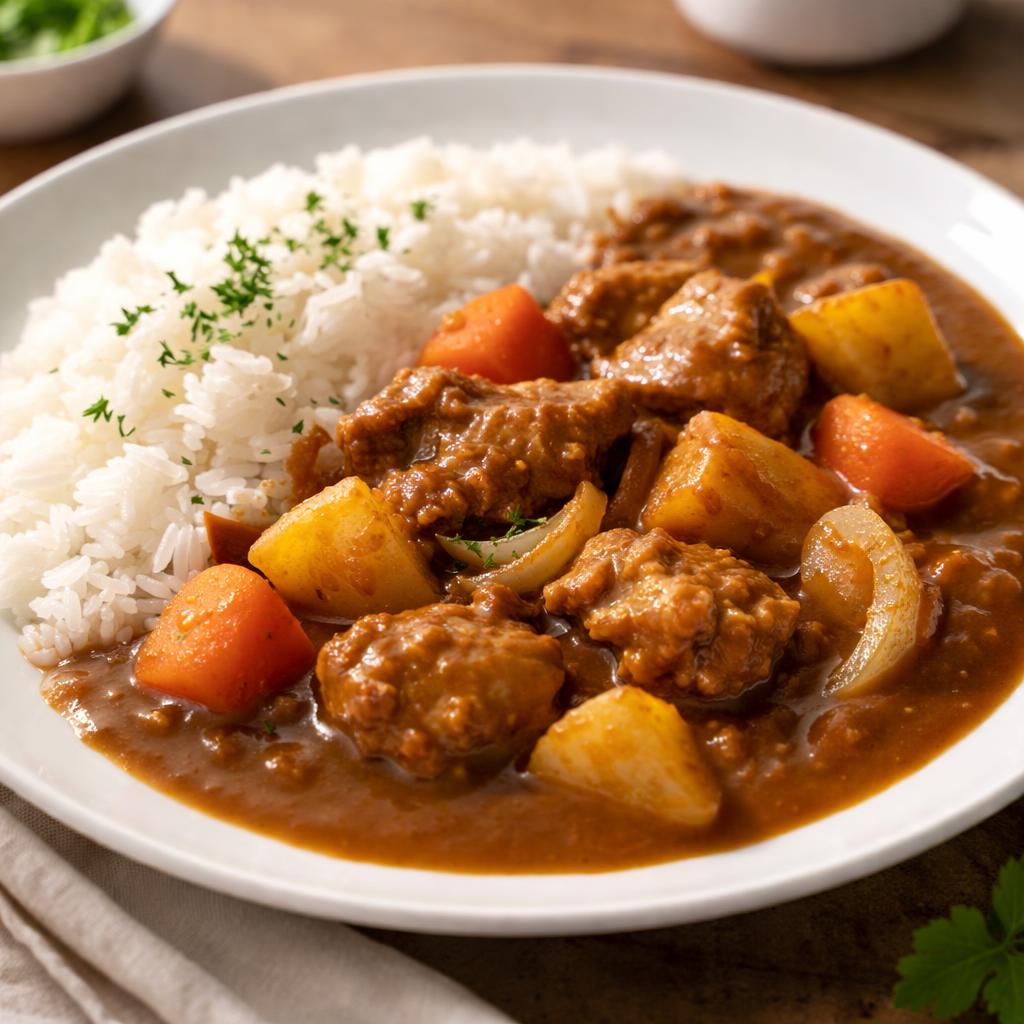
Japanese Curry
🎯 Quick Verdict
Rice and Japanese curry have distinct nutritional profiles. Rice is lower in calories and offers a moderate amount of quick-digesting carbohydrates, making it ideal for energy needs. Japanese curry has more fiber, vitamins, and healthy fats, making it a more nutrient-dense option for balanced meals. Both can fit into different diets depending on individual priorities like calorie control, fiber, or nutrient diversity.

Smart Nutrition Tracking with SnapCalorie

📊 Nutritional Comparison
Macronutrients
| Nutrient | Food 1 | Food 2 | Winner |
|---|---|---|---|
| Calories | 130 | 250 | − |
| Protein | 2.6g | 2g | − |
| Carbs | 28g | 30g | − |
| Fat | 0.3g | 10g | − |
| Fiber | 0.4g | 2g | − |
Vitamins & Minerals
| Nutrient | Food 1 | Food 2 | Winner |
|---|---|---|---|
| Vitamin A | 0mcg | 300mcg | − |
| Vitamin C | 0mg | 10mg | − |
| Iron | 0.2mg | 1mg | − |
🏆 Category Winners
Protein
Rice contains slightly more protein with 2.6g per serving compared to Japanese curry's 2g.
Fiber
Japanese curry provides 5x more fiber than rice (2g vs 0.4g).
Calories
Rice has nearly half the calories of Japanese curry per serving.
🥗 Diet Compatibility
Keto
Food 1: Not Compatible
Food 2: Not Compatible
Both are high in carbs.
Vegan
Food 1: Compatible
Food 2: Depends
Rice is vegan, but Japanese curry may contain animal products unless made specifically vegan.
Gluten Free
Food 1: Compatible
Food 2: Depends
Rice is naturally gluten-free; Japanese curry may have gluten in the roux unless made gluten-free.
Paleo
Food 1: Not Compatible
Food 2: Not Compatible
Neither fits paleo diets due to processed ingredients and high-carb content.
Low Carb
Food 1: Not Compatible
Food 2: Not Compatible
Both are high-carb options, making them unsuitable for low-carb diets.
💪 Health Benefits Comparison
Food 1 Benefits
- Quick energy source with digestible carbohydrates
- Low in fat, suitable for calorie-controlled diets
- Naturally gluten-free
Food 2 Benefits
- Rich in antioxidants from spices like turmeric
- Provides dietary fiber for digestive health
- Contains vitamins such as A and C for immunity
✅ The Bottom Line
Rice is a simple, lower-calorie option suitable for quick energy while Japanese curry offers more fiber, vitamins, and healthy fats, making it more balanced for nutrient-rich meals. Use rice for calorie control and energy needs, while Japanese curry shines in meal diversity and flavor.
Choose Food 1 for: Low-calorie diets, quick energy, simple meals
Choose Food 2 for: Balanced nutrition, digestive health, flavorful meals


