Rice VS Indian Chai
A detailed nutritional comparison
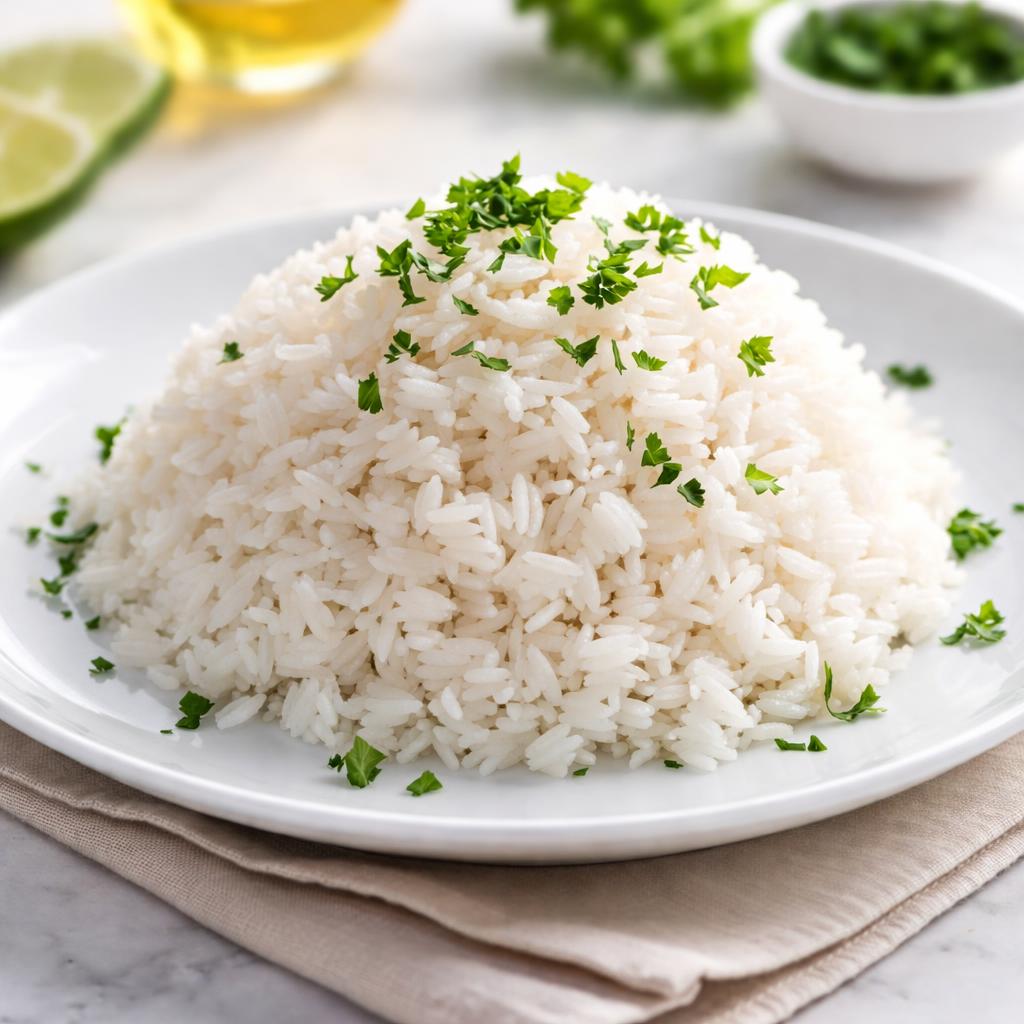
Rice
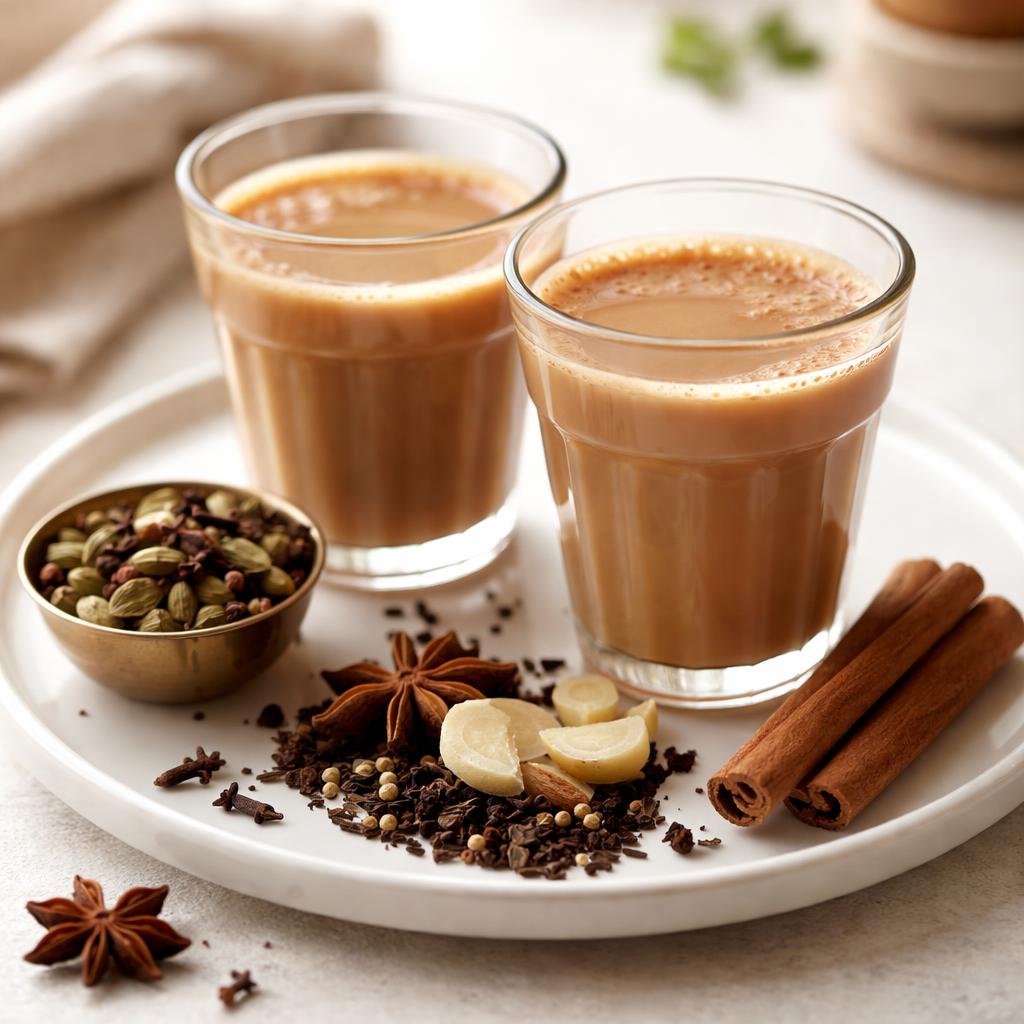
Indian Chai
🎯 Quick Verdict
Rice is a staple carbohydrate source, providing energy and easy digestibility, while Indian chai offers fewer calories, modest protein, and antioxidants due to tea and spices. Rice is ideal for meal bases, while chai is better for hydration and low-calorie snacks with flavor-enhancing benefits.

Smart Nutrition Tracking with SnapCalorie

📊 Nutritional Comparison
Macronutrients
| Nutrient | Food 1 | Food 2 | Winner |
|---|---|---|---|
| Calories | 206 (per cup, cooked) | 140 (per cup, prepared with milk) | ✓ |
| Protein | 4.3g | 5g | ✓ |
| Carbs | 45g | 15g | ✓ |
| Fat | 0.44g | 5g | ✓ |
| Fiber | 0.6g | 0.6g | − |
Vitamins & Minerals
| Nutrient | Food 1 | Food 2 | Winner |
|---|---|---|---|
| Vitamin D | 0mcg | 2mcg (from milk) | ✓ |
| Calcium | 10mg | 200mg (from milk) | ✓ |
| Iron | 0.2mg | 1mg | ✓ |
🏆 Category Winners
Protein
Indian chai contains 16% more protein largely due to the milk content.
Fiber
Both foods offer an equal amount of fiber, approximately 0.6g per serving.
Calories
Indian chai has approximately 33% fewer calories per serving compared to rice.
🥗 Diet Compatibility
Keto
Food 1: Not Compatible
Food 2: Not Compatible
Both foods contain significant carbohydrates per serving.
Vegan
Food 1: Compatible
Food 2: Not Compatible
Rice is inherently vegan, whereas chai often contains milk.
Gluten Free
Food 1: Compatible
Food 2: Compatible
Neither rice nor traditional Indian chai contains gluten.
Paleo
Food 1: Not Compatible
Food 2: Not Compatible
Rice is a grain, and chai contains milk, both excluded in paleo diets.
Low-Carb
Food 1: Not Compatible
Food 2: Not Compatible
Carbohydrate content is high in both foods (15-45g per serving).
💪 Health Benefits Comparison
Food 1 Benefits
- Good source of energy due to high carbohydrate content
- Low fat content makes it suitable for diets limiting fat
- Easy to digest, ideal for sensitive stomachs
Food 2 Benefits
- Contains antioxidants from black tea and spices like ginger or cardamom
- Rich in calcium and vitamin D (when prepared with milk) for bone health
- Low calorie count makes it suitable for calorie-conscious diets
✅ The Bottom Line
Rice is a versatile, high-energy food suitable as a meal base, while Indian chai offers a flavorful, lower-calorie option with antioxidants and calcium. Choose rice for meals needing energy and chai for hydration or lighter snacking moments.
Choose Food 1 for: Meal bases, high-energy diets, quick digestibility
Choose Food 2 for: Hydration, low-calorie diets, antioxidant boosts


