Rice VS Hot Dog
A detailed nutritional comparison
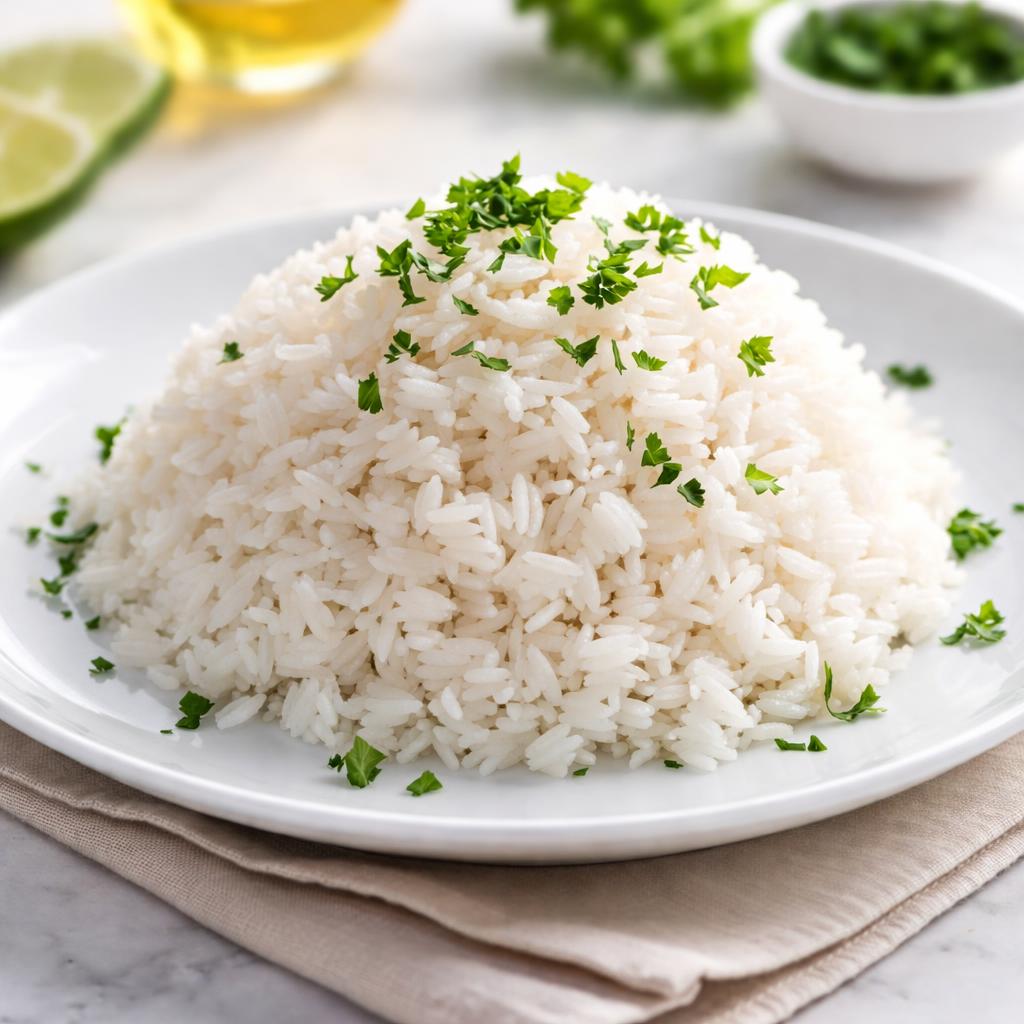
Rice

Hot Dog
🎯 Quick Verdict
While rice provides more fiber and fewer calories, hot dogs are higher in protein and offer more vitamins and minerals. Rice is ideal for those seeking a low-fat, gluten-free carbohydrate source, whereas hot dogs may benefit those needing quick protein or certain micronutrients but should be consumed in moderation due to higher fat and sodium content.

Smart Nutrition Tracking with SnapCalorie

📊 Nutritional Comparison
Macronutrients
| Nutrient | Food 1 | Food 2 | Winner |
|---|---|---|---|
| Calories | 130 | 180 | ✓ |
| Protein | 2.7g | 7g | ✓ |
| Carbs | 28g | 1g | ✓ |
| Fat | 0.3g | 15g | ✓ |
| Fiber | 0.9g | 0g | ✓ |
Vitamins & Minerals
| Nutrient | Food 1 | Food 2 | Winner |
|---|---|---|---|
| Vitamin D | 0mcg | 0.6mcg | ✓ |
| Calcium | 10mg | 30mg | ✓ |
| Iron | 0.2mg | 1.1mg | ✓ |
🏆 Category Winners
Protein
Hot dogs contain over twice the protein of rice per serving.
Fiber
Rice has fiber, while hot dogs have none.
Calories
Rice contains fewer calories per serving compared to hot dogs.
🥗 Diet Compatibility
Keto
Food 1: Not Compatible
Food 2: Compatible
Rice is high-carb, while hot dogs are low-carb.
Vegan
Food 1: Compatible
Food 2: Not Compatible
Rice is plant-based, but hot dogs typically contain meat.
Gluten Free
Food 1: Compatible
Food 2: Depends
Rice is gluten-free, while some hot dogs may contain gluten depending on additives.
Paleo
Food 1: Compatible
Food 2: Not Compatible
Rice fits paleo principles, but hot dogs often contain processed ingredients unsuitable for paleo diets.
Low-Carb
Food 1: Not Compatible
Food 2: Compatible
Rice is high in carbs, while hot dogs are low in carbs.
💪 Health Benefits Comparison
Food 1 Benefits
- Good source of carbohydrates for energy
- Low in fat and calories
- Naturally gluten-free
Food 2 Benefits
- High in protein for muscle repair and growth
- Contains vitamin D and minerals like iron
- Provides quick, ready-to-eat energy sources
✅ The Bottom Line
Rice is a low-calorie, gluten-free carbohydrate option, ideal for energy boost and balanced meals. Hot dogs, although higher in protein, contain more fat and sodium and are better for occasional use where quick protein is needed. Both foods serve distinct dietary goals but should be consumed mindfully.
Choose Food 1 for: Low-calorie diets, gluten-free meals, energy source
Choose Food 2 for: High-protein diets, occasional indulgence, quick snacks


