Rice VS Home Fries
A detailed nutritional comparison
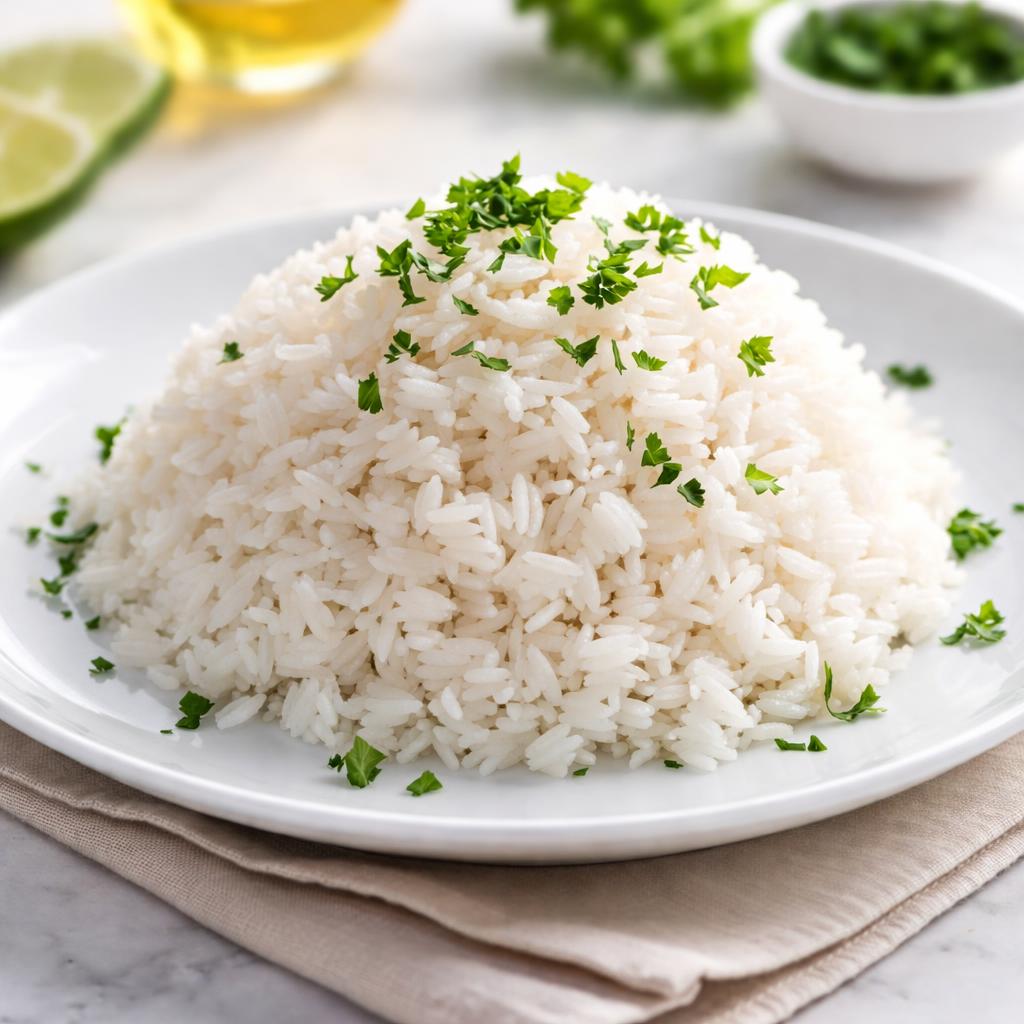
Rice
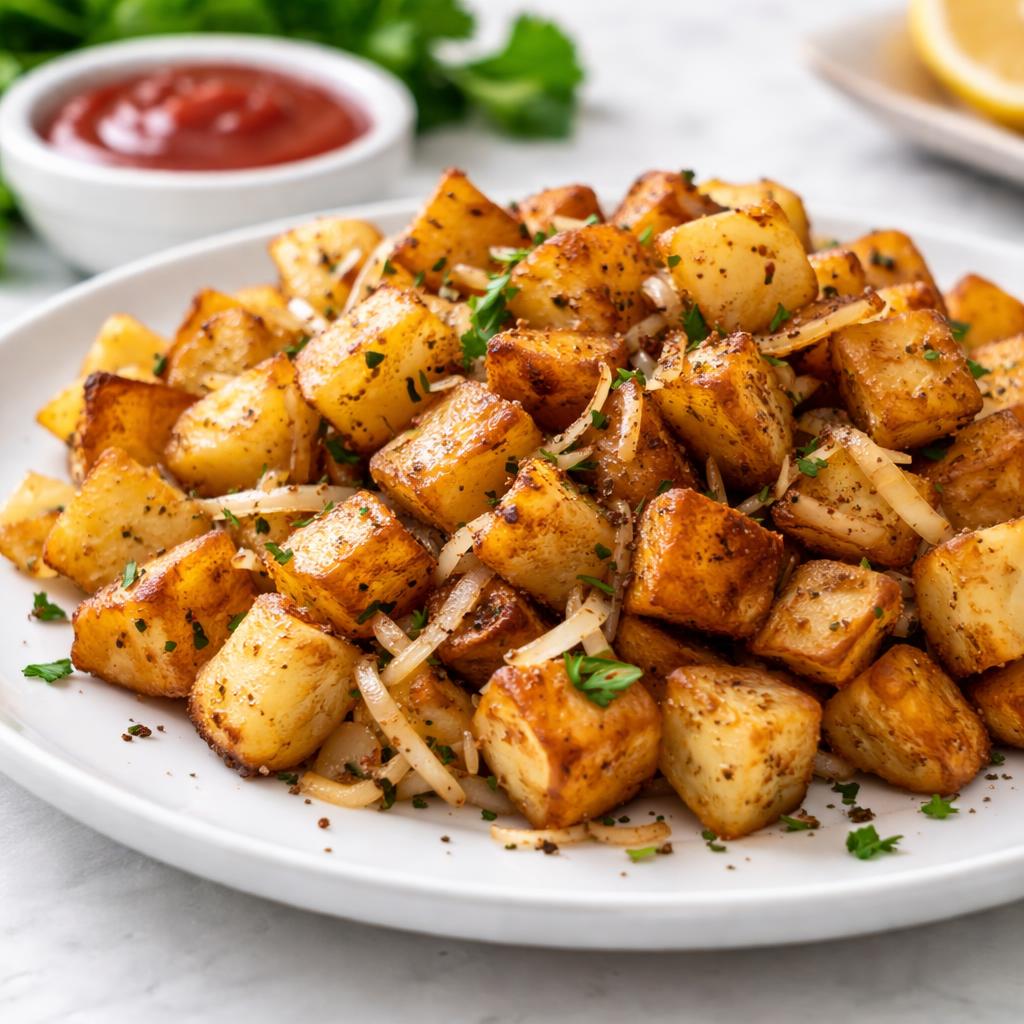
Home Fries
🎯 Quick Verdict
Rice (food1) is lower in calories and fat, making it a lighter option ideal for weight loss or post-workout recovery diets. Home fries (food2), being richer in fiber and fat, are better suited for those seeking sustained energy and heart-healthy fats. Both are versatile carbohydrate sources with different nutritional strengths.

Smart Nutrition Tracking with SnapCalorie

📊 Nutritional Comparison
Macronutrients
| Nutrient | Food 1 | Food 2 | Winner |
|---|---|---|---|
| Calories | 130 (per 1 cup cooked) | 150 (per 1 cup) | ✓ |
| Protein | 2.7g | 2g | ✓ |
| Carbs | 28g | 17g | ✓ |
| Fat | 0.3g | 6g | ✓ |
| Fiber | 0.4g | 2.2g | ✓ |
Vitamins & Minerals
| Nutrient | Food 1 | Food 2 | Winner |
|---|---|---|---|
| Vitamin C | 0mg | 8mg | ✓ |
| Vitamin B6 | 0.1mg | 0.4mg | ✓ |
| Potassium | 35mg | 450mg | ✓ |
🏆 Category Winners
Protein
Food1 (rice) has slightly more protein per serving than home fries.
Fiber
Food2 contains significantly more fiber, aiding digestion and satiety.
Calories
Food1 is lower in calories, suitable for weight-conscious diets.
Vitamins
Food2 is richer in Vitamin C, Vitamin B6, and potassium.
🥗 Diet Compatibility
Keto
Food 1: Not Compatible
Food 2: Not Compatible
Both are high-carb foods.
Vegan
Food 1: Compatible
Food 2: Compatible
Both are entirely plant-based.
Gluten Free
Food 1: Compatible
Food 2: Compatible
Neither contains gluten inherently.
Paleo
Food 1: Not Compatible
Food 2: Compatible
Rice is excluded from paleo diets, whereas home fries align with most paleo guidelines.
Low-Carb
Food 1: Not Compatible
Food 2: Not Compatible
Both are carbohydrate-rich and not suitable for low-carb diets.
💪 Health Benefits Comparison
Food 1 Benefits
- Low in calories, supporting weight loss goals
- Easily digestible, suitable for sensitive stomachs
- Provides quick energy from carbohydrates
Food 2 Benefits
- Rich in potassium, promoting electrolyte balance
- Contains fiber for improved digestion
- Offers healthy fats for heart and brain health
✅ The Bottom Line
Choose rice (food1) for lighter meals, a quick energy boost, or post-workout recovery due to its lower calories and digestibility. Opt for home fries (food2) if seeking a heartier, fiber-rich option that provides longer-lasting energy and essential vitamins. Both have their place in balanced diets depending on individual goals.
Choose Food 1 for: Weight loss, post-workout recovery, light meals
Choose Food 2 for: Sustained energy, heart health, richer flavors


