Rice VS Herb Butter
A detailed nutritional comparison
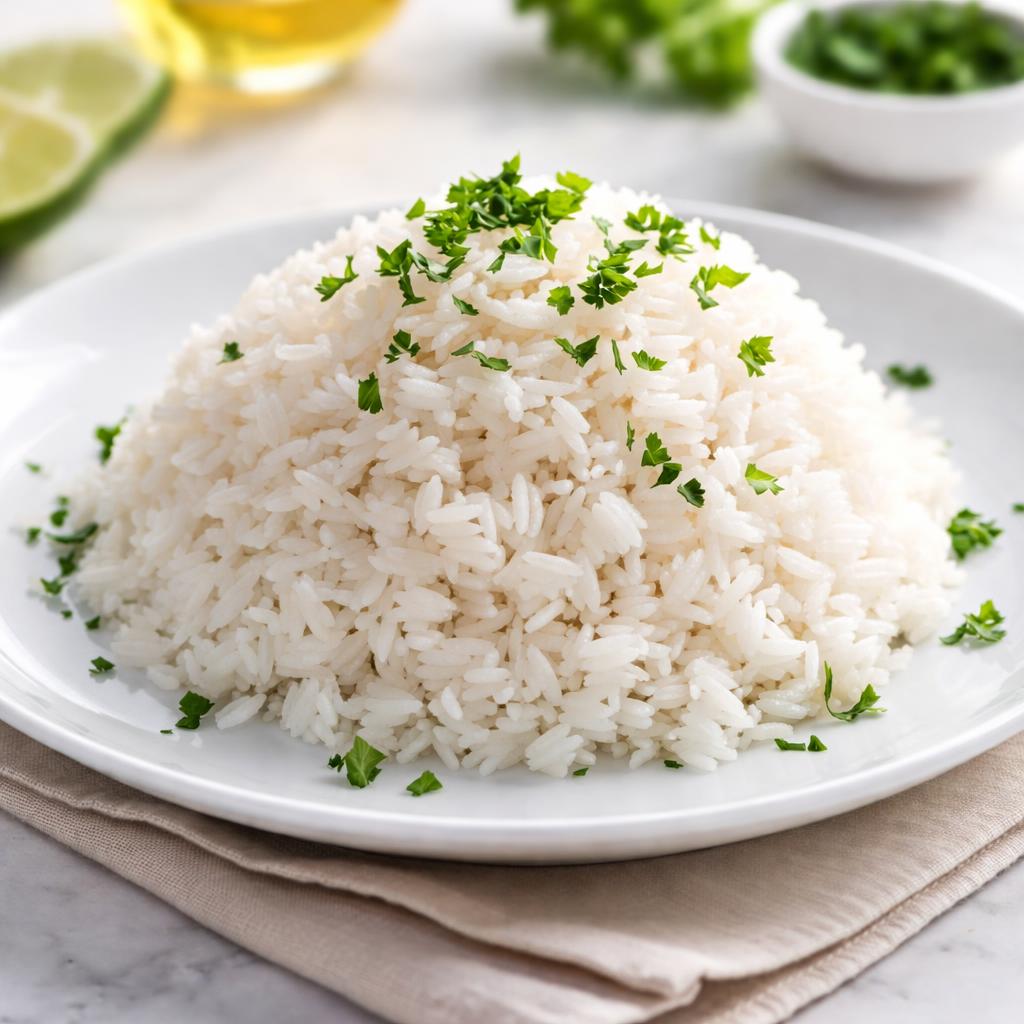
Rice
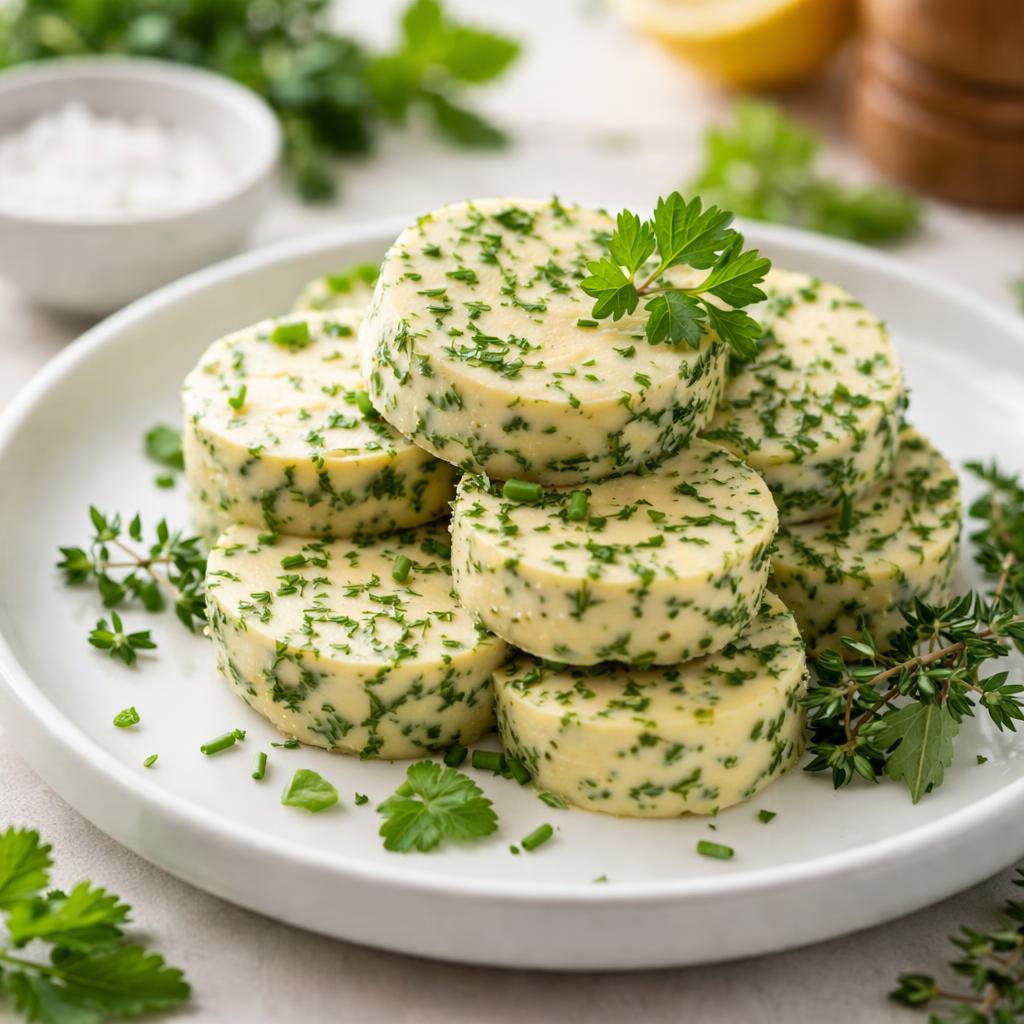
Herb Butter
🎯 Quick Verdict
Rice and herb butter differ significantly in their nutritional profiles. Rice is lower in calories and fat, with higher amounts of carbohydrates, protein, and fiber, making it ideal for energy and satiety. Herb butter, while calorie-dense and rich in fats, provides a flavorful source of healthy fats and some micronutrients, suitable for keto or low-carb diets.

Smart Nutrition Tracking with SnapCalorie

📊 Nutritional Comparison
Macronutrients
| Nutrient | Food 1 | Food 2 | Winner |
|---|---|---|---|
| Calories | 130 per 1/2 cup cooked | 100 per 1 tbsp | ✓ |
| Protein | 2g | 0.1g | ✓ |
| Carbs | 28g | 0g | ✓ |
| Fat | 0.3g | 11g | ✓ |
| Fiber | 0.5g | 0g | ✓ |
Vitamins & Minerals
| Nutrient | Food 1 | Food 2 | Winner |
|---|---|---|---|
| Vitamin D | 0mcg | 1mcg | ✓ |
| Calcium | 10mg | 15mg | ✓ |
| Iron | 1mg | 0mg | ✓ |
🏆 Category Winners
Protein
Rice contains significantly more protein per serving compared to herb butter.
Fiber
Rice has a small amount of fiber, whereas herb butter contains none.
Calories
Rice is less calorie-dense than herb butter per typical serving size.
🥗 Diet Compatibility
Keto
Food 1: Not Compatible
Food 2: Compatible
Herb butter is high-fat and low-carb, suitable for keto diets.
Vegan
Food 1: Compatible
Food 2: Not Compatible
Herb butter contains animal-derived butter, rice is vegan.
Gluten Free
Food 1: Compatible
Food 2: Compatible
Neither contains gluten.
Paleo
Food 1: Compatible
Food 2: Compatible
Both fit into a paleo diet depending on specific ingredient choices.
Low-Carb
Food 1: Not Compatible
Food 2: Compatible
Rice is high-carb, whereas herb butter contains no carbohydrates.
💪 Health Benefits Comparison
Food 1 Benefits
- Provides sustained energy through complex carbohydrates
- Low in fat and suitable for weight maintenance
- Contains small amounts of essential minerals like magnesium and phosphorus
Food 2 Benefits
- Rich source of healthy fats for brain and heart health
- Contains fat-soluble vitamins like vitamin D and A
- Enhances flavor profiles without significant carbs
✅ The Bottom Line
Rice is a versatile, low-calorie, high-carb food ideal for diets focused on energy and satiety, making it great for endurance activities or post-workout meals. Herb butter is calorie-dense with a rich fat profile, making it ideal for keto or low-carb diets where flavor and healthy fat intake are prioritized.
Choose Food 1 for: Energy boost, weight maintenance, light meals or base for various dishes
Choose Food 2 for: Flavor enhancement, ketogenic or low-carb diets, adding healthy fats to meals


