Rice VS Green Onions
A detailed nutritional comparison
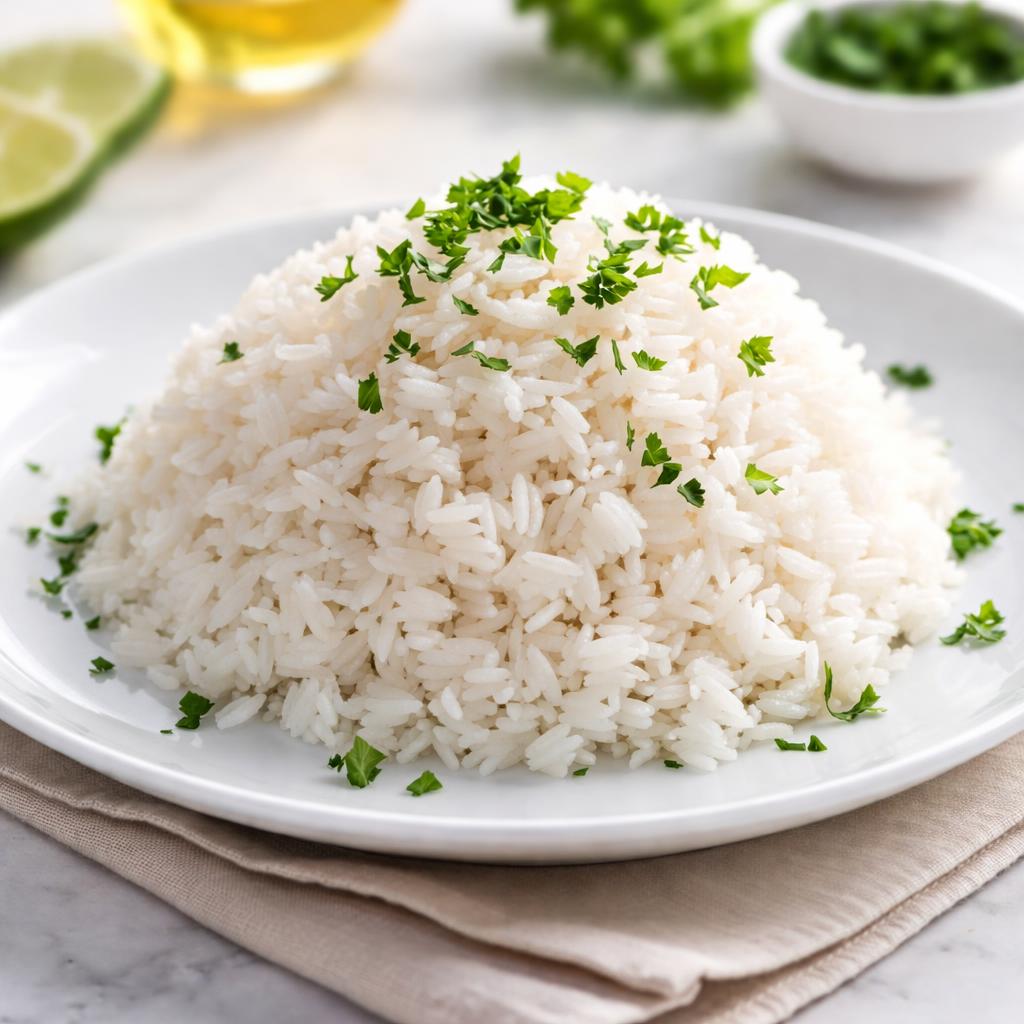
Rice
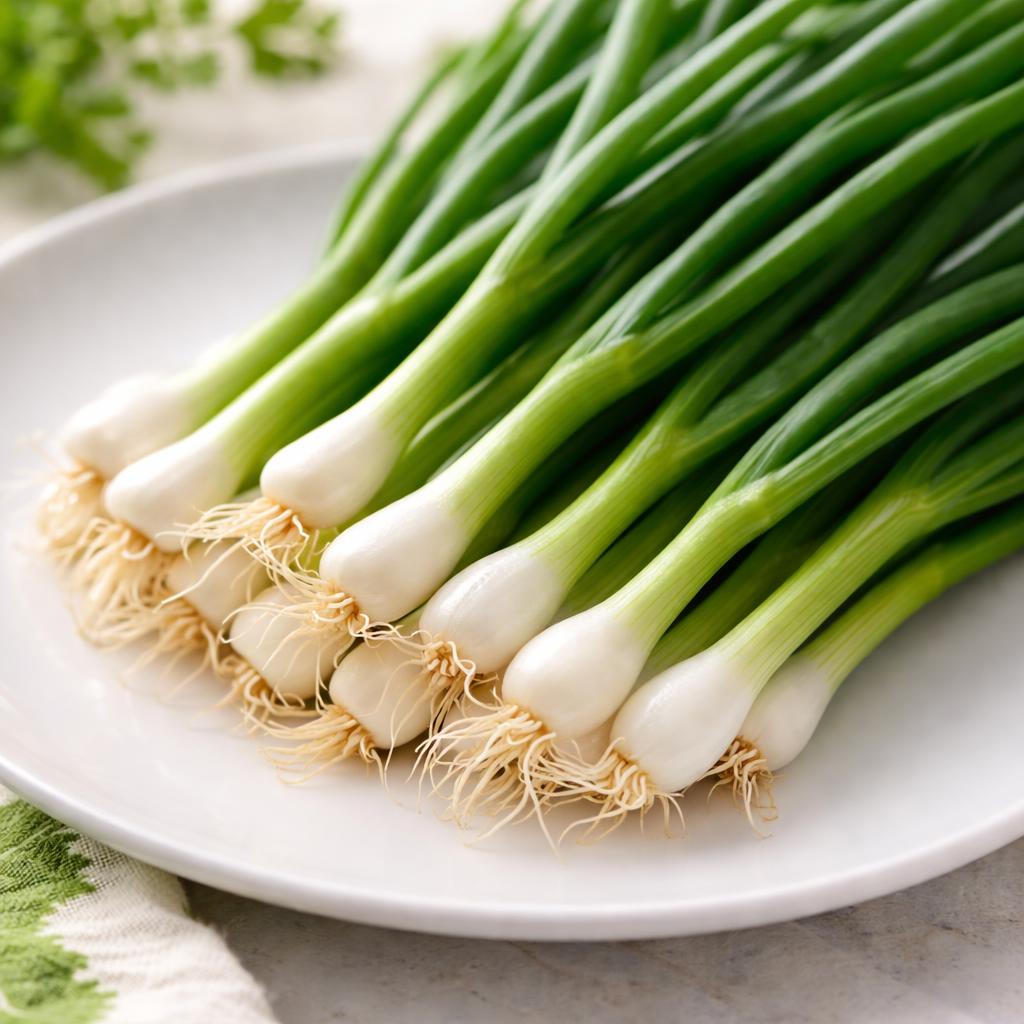
Green Onions
🎯 Quick Verdict
Rice and green onions serve vastly different dietary roles. Rice is calorie-dense and higher in carbohydrates, making it a great energy source, while green onions are nutrient-rich, low-calorie, and packed with fiber. Choose rice for sustained energy and green onions for enhancing meals with vitamins and minerals while keeping calories low.

Smart Nutrition Tracking with SnapCalorie

📊 Nutritional Comparison
Macronutrients
| Nutrient | Food 1 | Food 2 | Winner |
|---|---|---|---|
| Calories | 130 (per 100g cooked) | 32 (per 100g raw) | − |
| Protein | 2.7g | 1.8g | − |
| Carbs | 28g | 7.3g | − |
| Fat | 0.3g | 0.2g | − |
| Fiber | 0.9g | 2.6g | − |
Vitamins & Minerals
| Nutrient | Food 1 | Food 2 | Winner |
|---|---|---|---|
| Vitamin C | 0mg | 18.8mg | − |
| Vitamin A | 0IU | 1,000IU | − |
| Vitamin K | 0.5mcg | 207mcg | − |
| Potassium | 35mg | 212mg | − |
🏆 Category Winners
Protein
Rice has slightly higher protein content per serving.
Fiber
Green onions have almost three times more fiber than rice.
Calories
Green onions are low-calorie with a fraction of the energy density of rice.
🥗 Diet Compatibility
Keto
Food 1: Not Compatible
Food 2: Compatible
Green onions are low-carb, but rice is high in carbohydrates.
Vegan
Food 1: Compatible
Food 2: Compatible
Both foods are plant-based and fit vegan diets.
Gluten Free
Food 1: Compatible
Food 2: Compatible
Neither contains gluten.
Paleo
Food 1: Compatible
Food 2: Compatible
Both are considered paleo-friendly but used differently in a paleo diet.
Low Carb
Food 1: Not Compatible
Food 2: Compatible
Green onions are low-carb, while rice is carb-dense.
💪 Health Benefits Comparison
Food 1 Benefits
- Provides a quick and sustainable source of energy due to high carbohydrate content.
- Low in fat and cholesterol, making it a heart-friendly addition when consumed in moderation.
- A filling grain that can help balance meals and support physical performance.
Food 2 Benefits
- High in fiber, promoting good digestion and satiety.
- Contains significant amounts of vitamins (like C, A, and K) for immune and eye health.
- Rich in antioxidants, supporting anti-inflammatory and overall health properties.
✅ The Bottom Line
Choose rice when you need an energy-dense source for meals, like for endurance activities or post-workout replenishment. Opt for green onions when adding fiber, vitamins, and antioxidants to dishes while keeping calories low.
Choose Food 1 for: Energy-dense meals, post-workout carb replenishment, traditional cuisines
Choose Food 2 for: Low-calorie diets, improving palatability of meals, nutrient-dense snacks


