Rice VS Greek Dressing
A detailed nutritional comparison
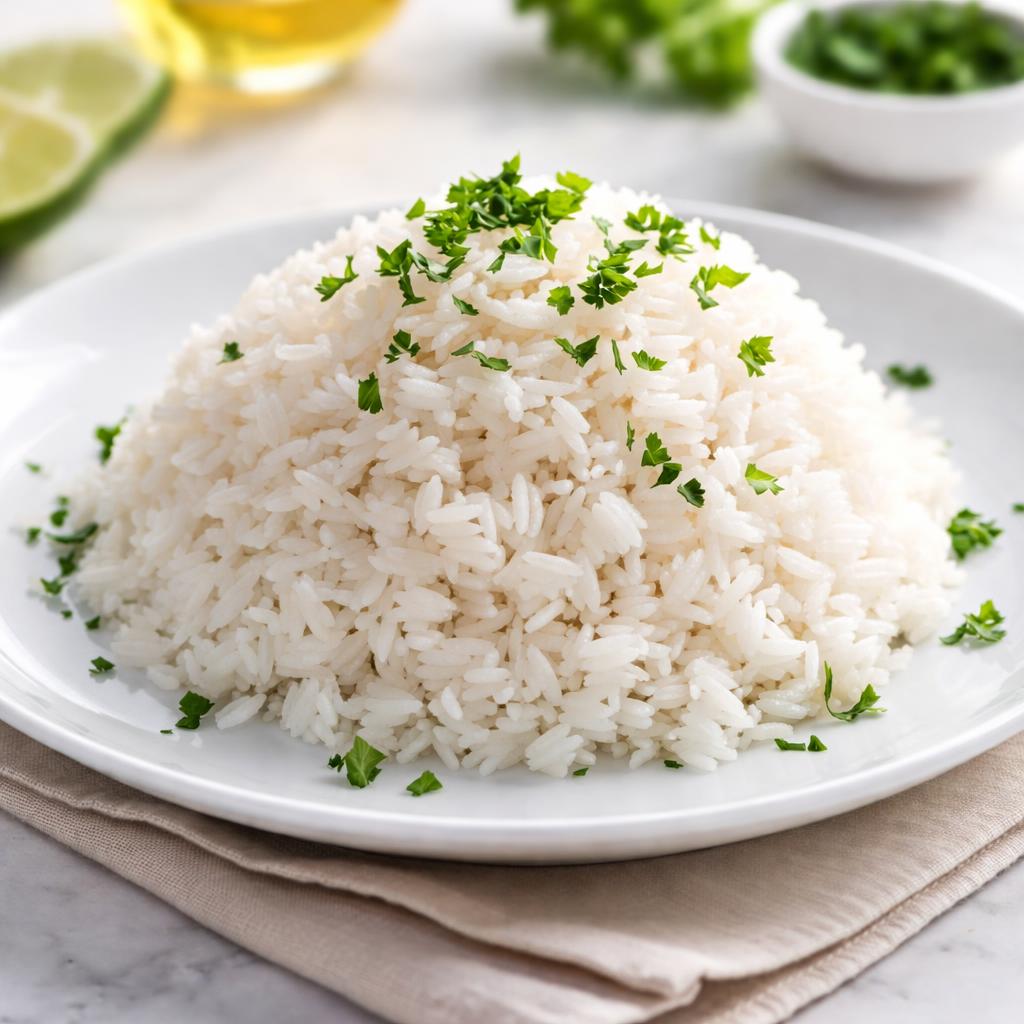
Rice
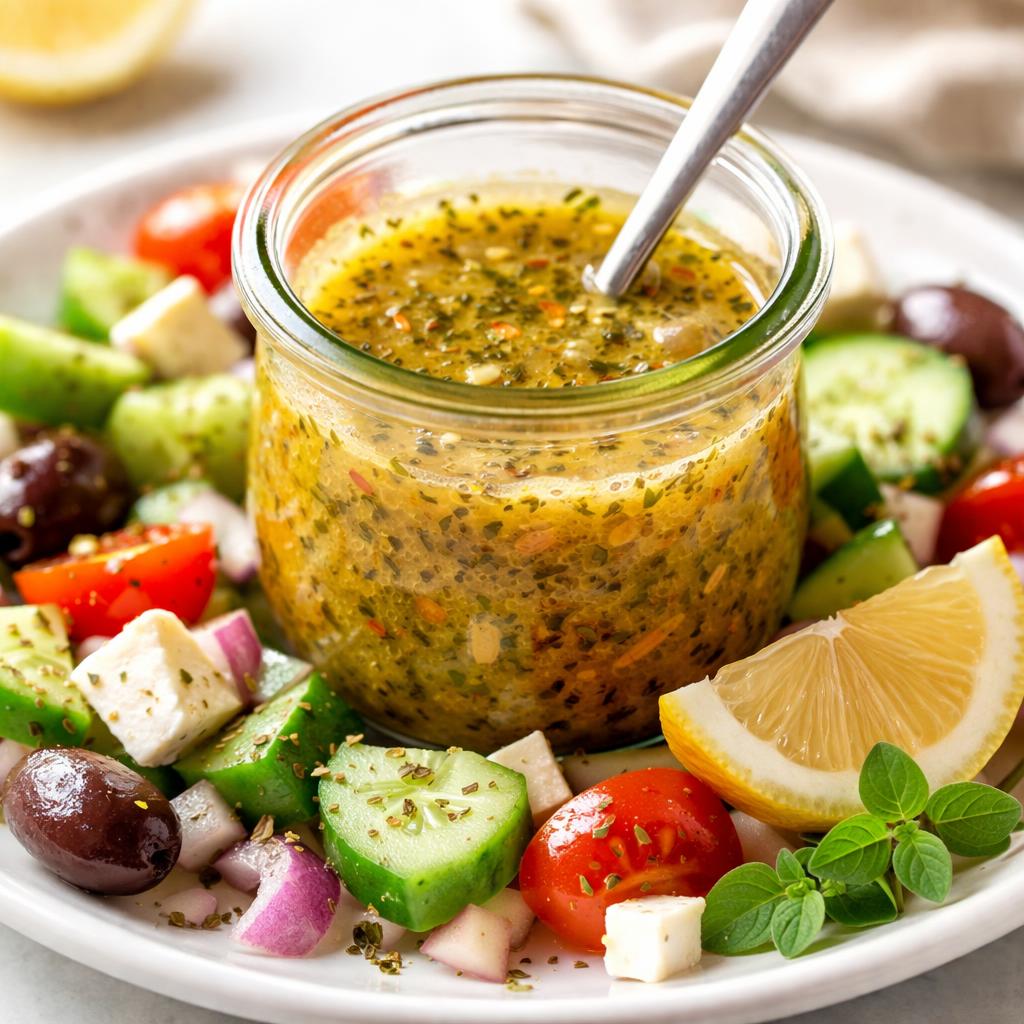
Greek Dressing
🎯 Quick Verdict
Rice and Greek dressing have very different nutritional profiles and serve unique roles in a diet. Rice is higher in calories, protein, and fiber, making it good for energy and satiety. Greek dressing is lower in calories and primarily a source of fats, offering flavor and heart-healthy benefits when used in moderation.

Smart Nutrition Tracking with SnapCalorie

📊 Nutritional Comparison
Macronutrients
| Nutrient | Food 1 | Food 2 | Winner |
|---|---|---|---|
| Calories | 206 (per 1 cup cooked) | 120 (per 2 tablespoons) | − |
| Protein | 4.3g | 0.2g | − |
| Carbs | 44g | 2g | − |
| Fat | 0.4g | 11g | − |
| Fiber | 0.6g | 0g | − |
Vitamins & Minerals
| Nutrient | Food 1 | Food 2 | Winner |
|---|---|---|---|
| Vitamin D | 0mcg | 0mcg | − |
| Calcium | 20mg | 4mg | − |
| Iron | 0.2mg | 1mg | − |
🏆 Category Winners
Protein
Rice has significantly more protein, contributing 4.3g per cup compared to 0.2g in Greek dressing.
Fiber
Rice contains dietary fiber (0.6g per cup), while Greek dressing provides none.
Calories
Greek dressing is lower in calories, offering 120 calories per serving compared to rice's 206 calories per cup.
🥗 Diet Compatibility
Keto
Food 1: Not Compatible
Food 2: Compatible
Rice is high-carb; Greek dressing is low-carb and high-fat.
Vegan
Food 1: Compatible
Food 2: Compatible
Both are plant-based, assuming vegan-friendly Greek dressing is chosen.
Gluten Free
Food 1: Compatible
Food 2: Compatible
Neither food contains gluten.
Paleo
Food 1: Compatible
Food 2: Compatible
Both fit the paleo diet if a natural Greek dressing is selected.
Low Carb
Food 1: Not Compatible
Food 2: Compatible
Rice is carb-heavy, while Greek dressing is low-carb.
💪 Health Benefits Comparison
Food 1 Benefits
- Provides sustained energy due to its high carb content.
- Contains protein for muscle support.
- Good source of essential minerals like magnesium and selenium.
Food 2 Benefits
- Contains healthy fats (e.g., from olive oil) for heart health.
- Provides antioxidants from herbs such as oregano and parsley.
- Enhances flavor, encouraging consumption of nutrient-rich salads and vegetables.
✅ The Bottom Line
Rice and Greek dressing serve complementary purposes in a meal. Rice is ideal for providing energy and satiety, best for active individuals or as a base in balanced meals. Greek dressing is best used as a flavor enhancer while offering healthy fats, making it suitable for heart-healthy and low-carb diets. Use both in moderation depending on your dietary goals.
Choose Food 1 for: Athletes, high-energy diets, weight gain, base for meals
Choose Food 2 for: Heart-healthy diets, low-carb meals, salad toppings


