Rice VS Ginger
A detailed nutritional comparison
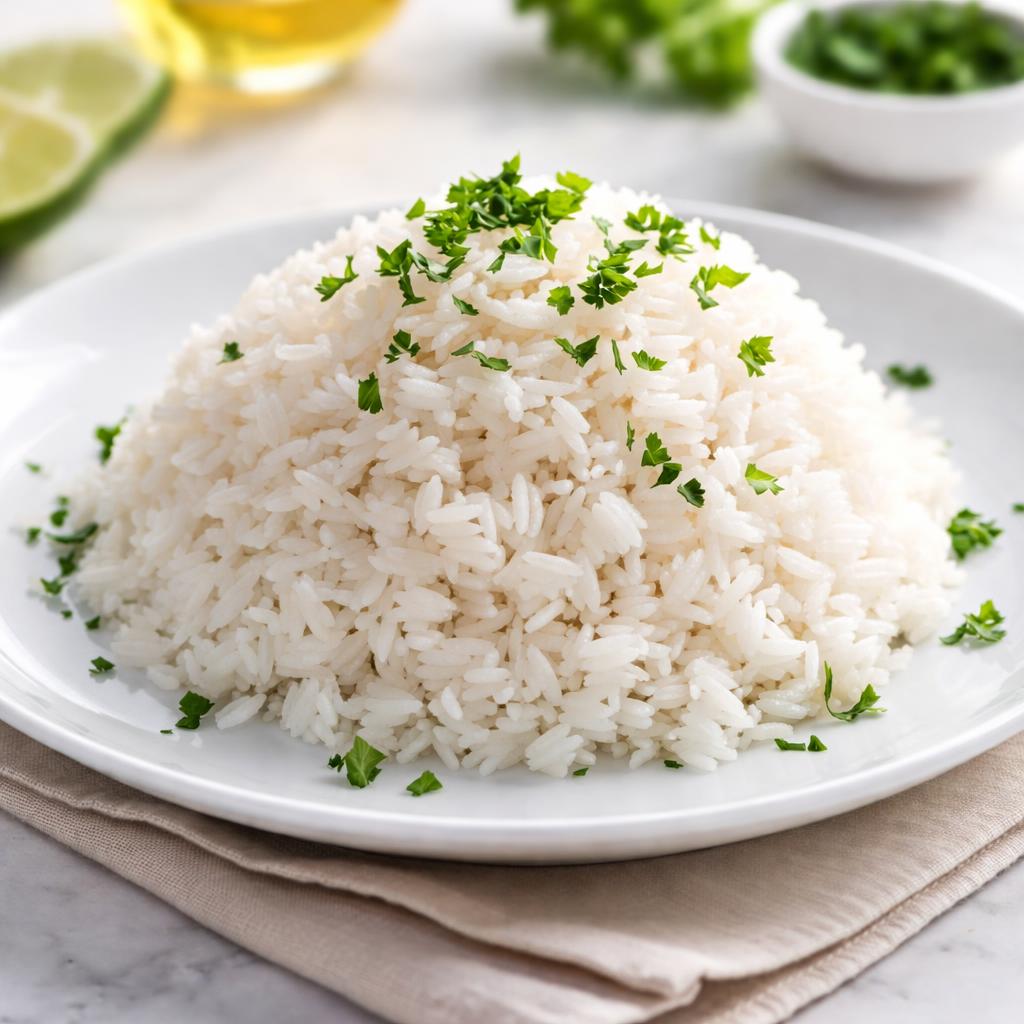
Rice
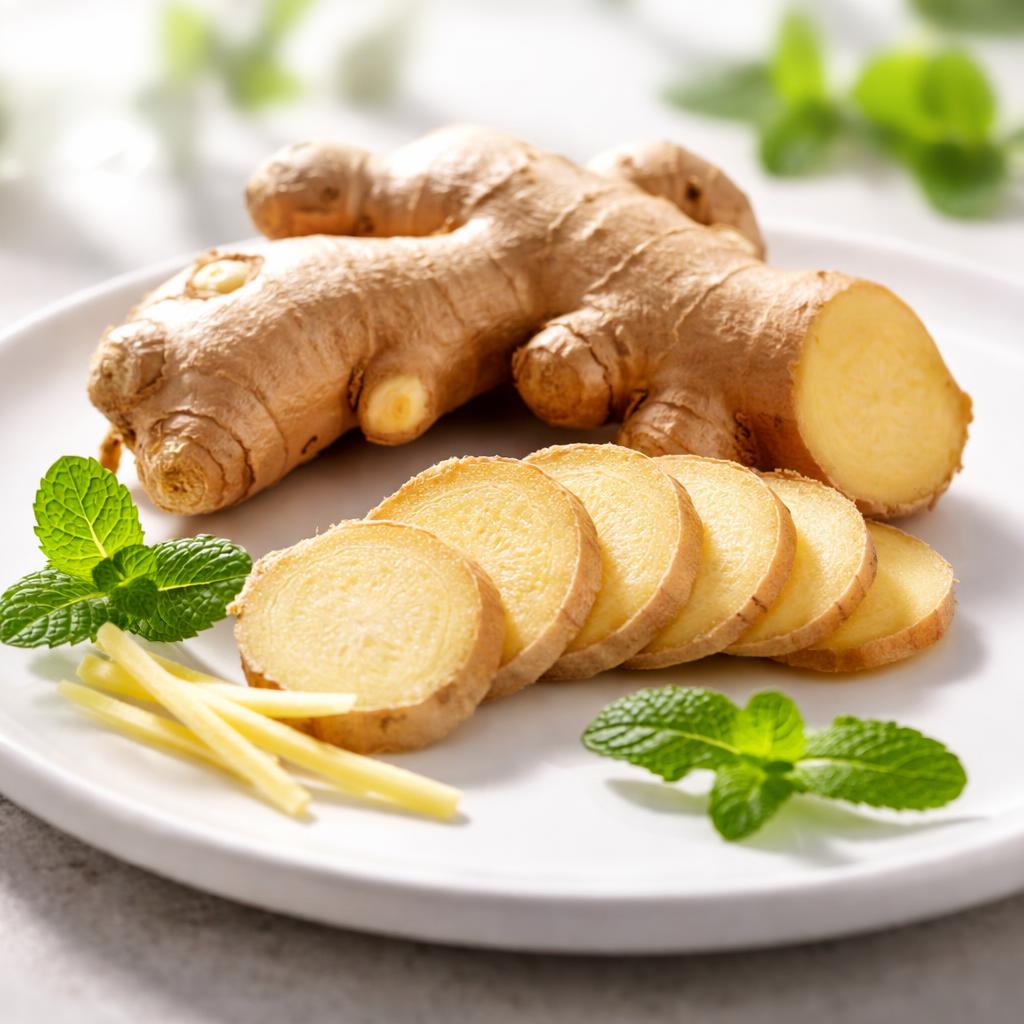
Ginger
🎯 Quick Verdict
Rice and ginger are nutritionally distinct, serving different culinary and dietary purposes. Rice is higher in calories and provides more protein per serving, making it a good energy source, while ginger is lower in calories and rich in fiber and antioxidants, supporting digestion and inflammation reduction. Rice is suitable for meals requiring energy and grain content, while ginger excels in enhancing flavor and boosting nutritional value in smaller amounts.

Smart Nutrition Tracking with SnapCalorie

📊 Nutritional Comparison
Macronutrients
| Nutrient | Food 1 | Food 2 | Winner |
|---|---|---|---|
| Calories | 130 per 100g (cooked) | 80 per 100g (fresh) | ✓ |
| Protein | 2.7g per 100g | 1.8g per 100g | ✓ |
| Carbs | 28.2g per 100g | 17.8g per 100g | ✓ |
| Fat | 0.3g per 100g | 0.7g per 100g | ✓ |
| Fiber | 0.4g per 100g | 2.0g per 100g | ✓ |
Vitamins & Minerals
| Nutrient | Food 1 | Food 2 | Winner |
|---|---|---|---|
| Vitamin C | 0mg per 100g | 5mg per 100g | ✓ |
| Vitamin B6 | 0.09mg per 100g | 0.16mg per 100g | ✓ |
| Potassium | 35mg per 100g | 415mg per 100g | ✓ |
🏆 Category Winners
Protein
Rice provides 50% more protein per serving compared to ginger.
Fiber
Ginger offers 4 times more fiber per serving, aiding digestion.
Calories
Ginger is lower in calories, suitable for low-energy diets.
Vitamins
Rich in Vitamin C, B6, and potassium, ginger provides more micronutrient value.
🥗 Diet Compatibility
Keto
Food 1: Not Compatible
Food 2: Compatible
Rice is high in carbs, whereas ginger is low-carb and keto-friendly.
Vegan
Food 1: Compatible
Food 2: Compatible
Both rice and ginger are plant-based and suitable for vegan diets.
Gluten Free
Food 1: Compatible
Food 2: Compatible
Neither rice nor ginger contains gluten.
Paleo
Food 1: Not Compatible
Food 2: Compatible
Ginger aligns with paleo principles, while rice is considered a grain and excluded.
Low Carb
Food 1: Not Compatible
Food 2: Compatible
Rice is high in carbs (28g per serving), while ginger is lower (17g per serving).
💪 Health Benefits Comparison
Food 1 Benefits
- Provides sustained energy from complex carbohydrates
- Low in fat, great for calorie-conscious diets
- Easily digestible, suitable for sensitive stomachs
Food 2 Benefits
- Rich in antioxidants, may reduce inflammation
- Supports digestion with high fiber content
- Boosts immunity with vitamin C content
✅ The Bottom Line
Rice is an ideal choice for meals requiring a dense energy source, such as post-workout recovery or carb-loading before physical activity, while ginger is better utilized for its flavor-enhancing qualities and anti-inflammatory health benefits. When choosing between them, consider your dietary goals and the role foods play in your meals.
Choose Food 1 for: Energy-rich meals, carbohydrate replenishment, easy digestibility
Choose Food 2 for: Anti-inflammatory purposes, digestion support, flavor enhancement


