Rice VS Fruit
A detailed nutritional comparison
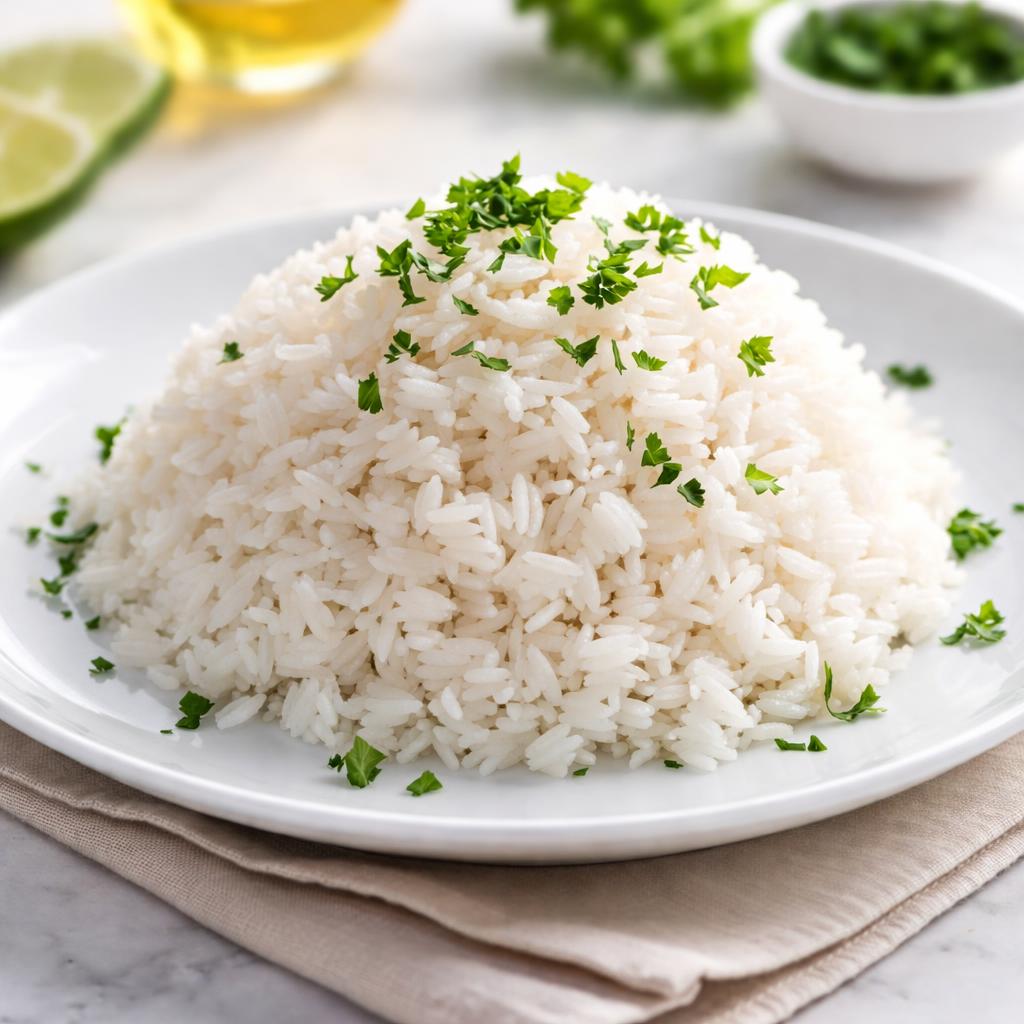
Rice
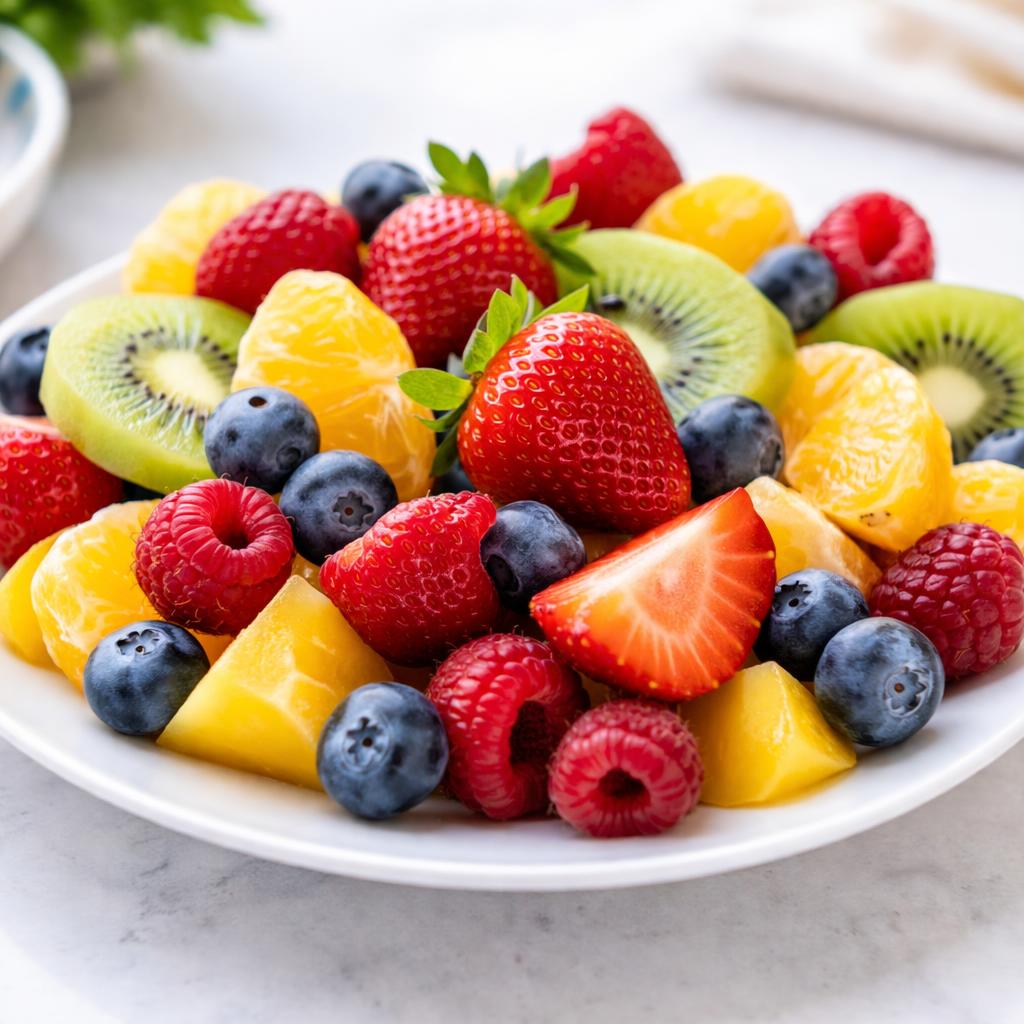
Fruit
🎯 Quick Verdict
Rice and fruit each have distinct benefits. Rice is higher in protein and calories, making it better for energy and muscle maintenance. Fruit is lower in calories and richer in fiber, vitamins, and antioxidants, making it ideal for overall health and digestion. Choose rice for sustained energy or post-workout needs and fruit for a nutrient-dense, lighter option.

Smart Nutrition Tracking with SnapCalorie

📊 Nutritional Comparison
Macronutrients
| Nutrient | Food 1 | Food 2 | Winner |
|---|---|---|---|
| Calories | 205 (per cup) | 80 (average per apple or orange) | ✓ |
| Protein | 4g | 1g | ✓ |
| Carbs | 45g | 20g | ✓ |
| Fat | 0.5g | 0.3g | − |
| Fiber | 0.6g | 4g | ✓ |
Vitamins & Minerals
| Nutrient | Food 1 | Food 2 | Winner |
|---|---|---|---|
| Vitamin C | 0mg | 70mg | ✓ |
| Vitamin A | 0mcg | 3mcg | ✓ |
| Potassium | 55mg | 200mg | ✓ |
🏆 Category Winners
Protein
Rice has 4g of protein per serving compared to 1g in fruit.
Fiber
Fruit provides significantly more fiber (4g vs 0.6g).
Calories
Fruit has less than half the calories of rice, making it lighter.
Vitamins
Fruit is loaded with vitamins (especially C and A), unlike rice.
🥗 Diet Compatibility
Keto
Food 1: Not Compatible
Food 2: Not Compatible
Both are high in carbohydrates.
Vegan
Food 1: Compatible
Food 2: Compatible
Both are plant-based options.
Gluten Free
Food 1: Compatible
Food 2: Compatible
Neither contains gluten.
Paleo
Food 1: Not Compatible
Food 2: Compatible
Rice is not paleo-friendly due to grain restriction.
Low-Carb
Food 1: Not Compatible
Food 2: Somewhat Compatible
Fruit has fewer carbs than rice but still contains natural sugar.
💪 Health Benefits Comparison
Food 1 Benefits
- Provides quick energy due to high carbohydrate content
- Good source of plant-based protein for muscle maintenance
- Low in fat, making it heart-healthy
Food 2 Benefits
- Rich in dietary fiber, promoting digestion and gut health
- High in antioxidants, helping to reduce oxidative stress
- Loaded with essential vitamins, especially Vitamin C, boosting immunity
✅ The Bottom Line
Both rice and fruit serve distinct purposes in a healthy diet. Rice is better for sustained energy and muscle-building meals, especially for athletes or post-workout recovery. Fruit is ideal for low-calorie snacking packed with vitamins, fiber, and antioxidants. Combine both for balanced nutrition or choose based on your dietary needs.
Choose Food 1 for: Sustained energy, post-workout, meal prep
Choose Food 2 for: Snacking, digestion support, immune health


