Rice VS Fritters
A detailed nutritional comparison
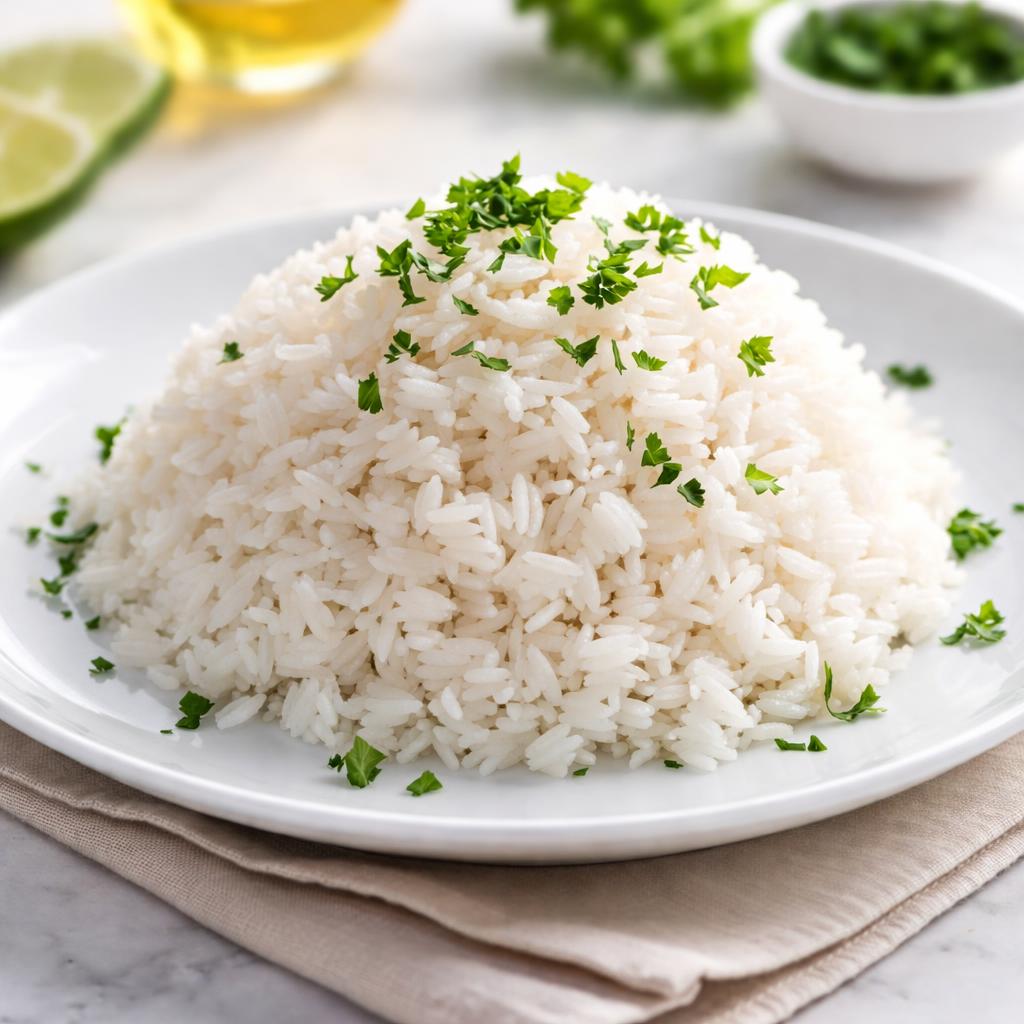
Rice
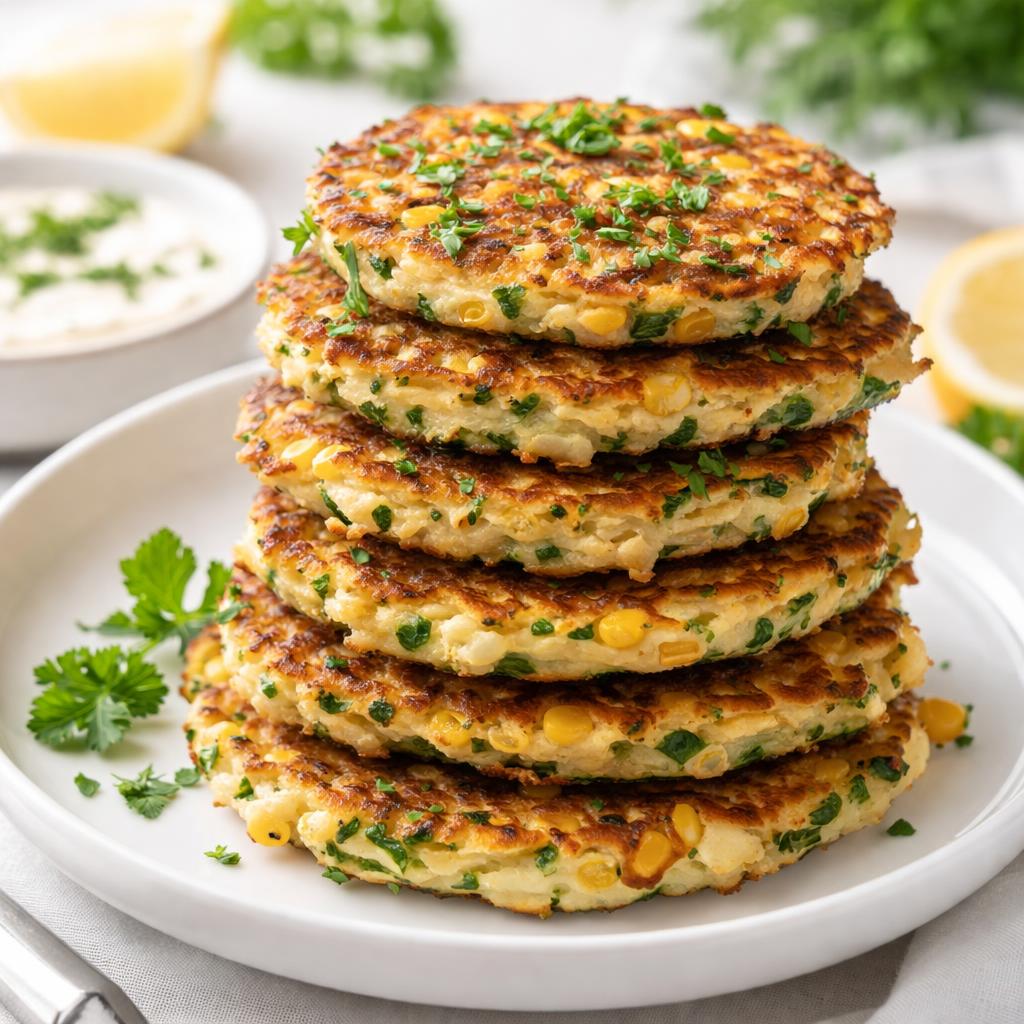
Fritters
🎯 Quick Verdict
Rice is a lower-calorie option compared to fritters, making it ideal for weight management. Fritters contain more protein and fiber, making them suitable for sustained energy and satiety. Rice is a simple carbohydrate source, while fritters often provide fats and a mix of nutrients depending on their ingredients.

Smart Nutrition Tracking with SnapCalorie

📊 Nutritional Comparison
Macronutrients
| Nutrient | Food 1 | Food 2 | Winner |
|---|---|---|---|
| Calories | 130 | 300 | ✓ |
| Protein | 2g | 6g | ✓ |
| Carbs | 28g | 18g | ✓ |
| Fat | 0.3g | 15g | ✓ |
| Fiber | 0.5g | 2g | ✓ |
Vitamins & Minerals
| Nutrient | Food 1 | Food 2 | Winner |
|---|---|---|---|
| Vitamin D | 0mcg | 1mcg | ✓ |
| Calcium | 10mg | 40mg | ✓ |
| Iron | 0.2mg | 1mg | ✓ |
🏆 Category Winners
Protein
Fritters have three times more protein per serving compared to rice.
Fiber
Fritters provide quadruple the fiber as rice.
Calories
Rice is significantly lower in calories, making it more weight-loss friendly.
Vitamins
Fritters offer more vitamins and minerals due to diverse ingredients.
🥗 Diet Compatibility
Keto
Food 1: Not Compatible
Food 2: Not Compatible
Both are too high in carbohydrates for ketogenic diets.
Vegan
Food 1: Compatible
Food 2: Potentially Compatible
Rice is plant-based, while fritter compatibility depends on ingredients like eggs or milk.
Gluten Free
Food 1: Compatible
Food 2: Potentially Not Compatible
Rice is naturally gluten-free, but fritters may contain flour or breadcrumbs.
Paleo
Food 1: Not Compatible
Food 2: Not Compatible
Rice is a grain, and fritters may have processed ingredients.
Low-Carb
Food 1: Not Compatible
Food 2: Not Compatible
Both foods exceed typical low-carb thresholds.
💪 Health Benefits Comparison
Food 1 Benefits
- Low in calories, good for weight management
- Easily digestible for sensitive stomachs
- An excellent source of quick energy
Food 2 Benefits
- Higher protein content for muscle building
- Good source of fiber for better digestion
- Provides healthy fats for sustained energy
✅ The Bottom Line
Choose rice for a lighter, simpler carbohydrate option suitable for weight management or sensitive diets. Opt for fritters as a more filling and protein-rich choice, ideal for energy and satiety when balanced with vegetables or healthy sides.
Choose Food 1 for: Light meals, weight loss, quick energy boost
Choose Food 2 for: Sustained energy, nutrient density, mid-day snacks


