Rice VS Fried Pork Chop
A detailed nutritional comparison
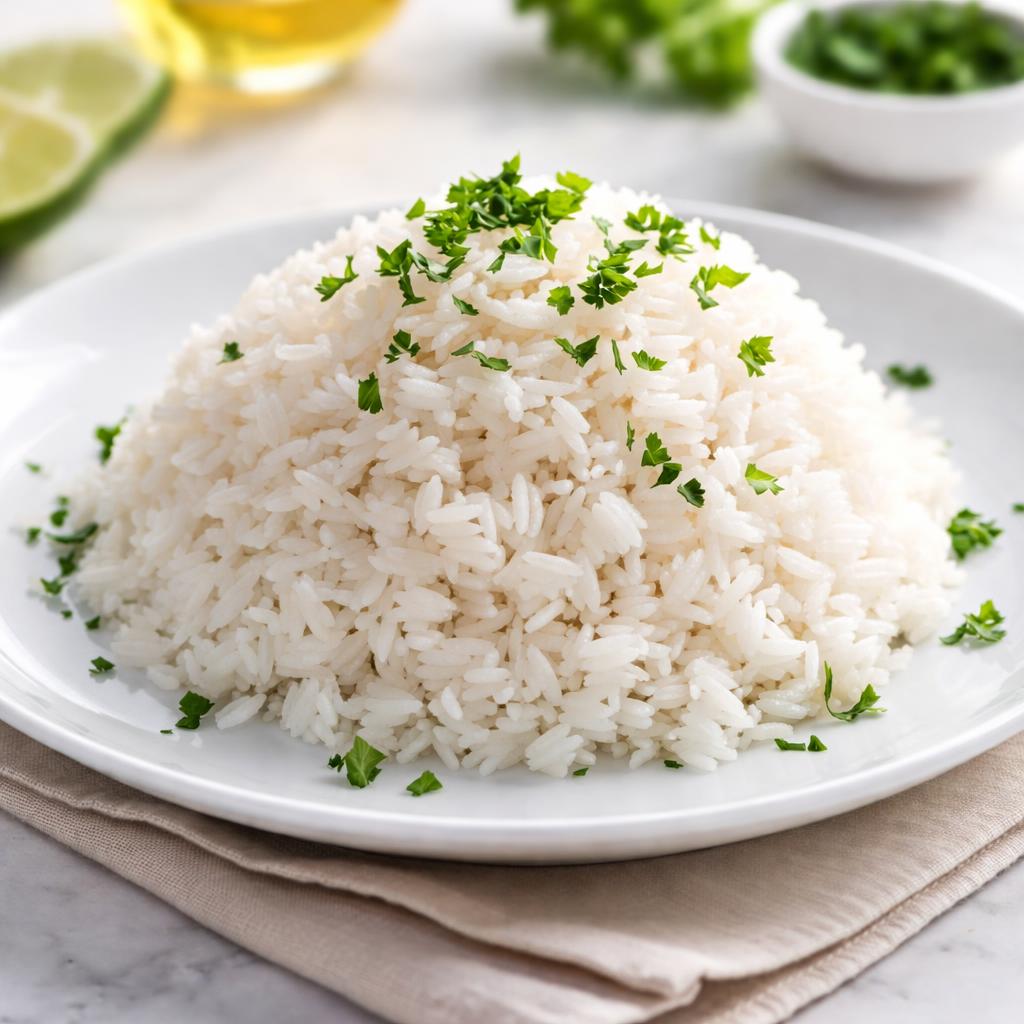
Rice
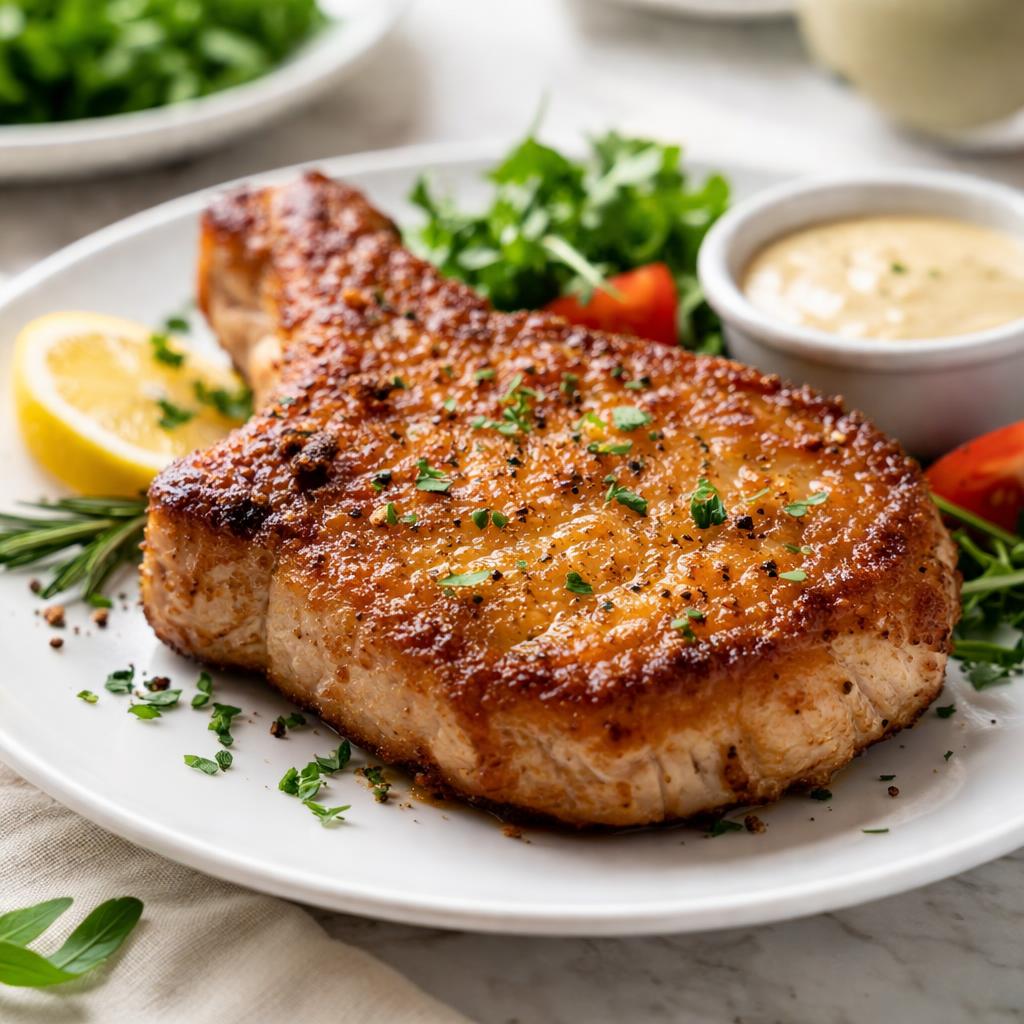
Fried Pork Chop
🎯 Quick Verdict
Rice and fried pork chop differ greatly in nutritional composition. Rice is primarily a carb source with lower calories and more dietary fiber. Fried pork chop excels in protein content and provides more fat and minerals. Rice is better for low-calorie or vegan diets, while pork chop is ideal for high-protein or keto needs.

Smart Nutrition Tracking with SnapCalorie

📊 Nutritional Comparison
Macronutrients
| Nutrient | Food 1 | Food 2 | Winner |
|---|---|---|---|
| Calories | 205 (per cup, cooked) | 350 (per serving, 3 oz) | ✓ |
| Protein | 4.3g | 23g | ✓ |
| Carbs | 44.5g | 13g | ✓ |
| Fat | 0.4g | 21g | ✓ |
| Fiber | 0.6g | 0g | ✓ |
Vitamins & Minerals
| Nutrient | Food 1 | Food 2 | Winner |
|---|---|---|---|
| Vitamin D | 0mcg | 1mcg | ✓ |
| Calcium | 24mg | 15mg | ✓ |
| Iron | 0.2mg | 0.93mg | ✓ |
🏆 Category Winners
Protein
Fried pork chop contains 19g more protein compared to rice.
Fiber
Rice provides moderate soluble fiber, while pork chop has none.
Calories
Rice is significantly lower in calories, making it better for calorie-constrained diets.
Vitamins
Fried pork chop contributes essential Vitamin D and more iron compared to rice.
🥗 Diet Compatibility
Keto
Food 1: Not Compatible
Food 2: Compatible
Food1 is high in carbohydrates, while Food2 aligns with keto macronutrient goals.
Vegan
Food 1: Compatible
Food 2: Not Compatible
Rice is plant-based, while pork chop is animal-derived.
Gluten Free
Food 1: Compatible
Food 2: Compatible
Neither contains gluten in their natural forms.
Paleo
Food 1: Not Compatible
Food 2: Compatible
Rice is a grain and avoided on paleo diets, while pork chop is a protein source accepted in paleolithic eating.
Low-Carb
Food 1: Not Compatible
Food 2: Compatible
Food2 is lower in carbs and suitable for low-carb diets.
💪 Health Benefits Comparison
Food 1 Benefits
- Provides energy through complex carbohydrates
- Contains some fiber for improved digestion
- Low in fat, suitable for heart-healthy diets
Food 2 Benefits
- Rich source of protein for muscle growth and maintenance
- Supplies healthy fats for energy and satiety
- Provides Vitamin D and iron for bone health and oxygen transport
✅ The Bottom Line
Choose rice for low-fat, low-calorie diet plans or if you're eating plant-based. Opt for fried pork chop if you need a high-protein, nutrient-dense meal that aligns with keto or paleo guidelines.
Choose Food 1 for: Low-calorie diets, plant-based meals, quick energy source
Choose Food 2 for: Muscle-building, keto diets, sustaining energy needs


