Rice VS Fresh Salmon
A detailed nutritional comparison
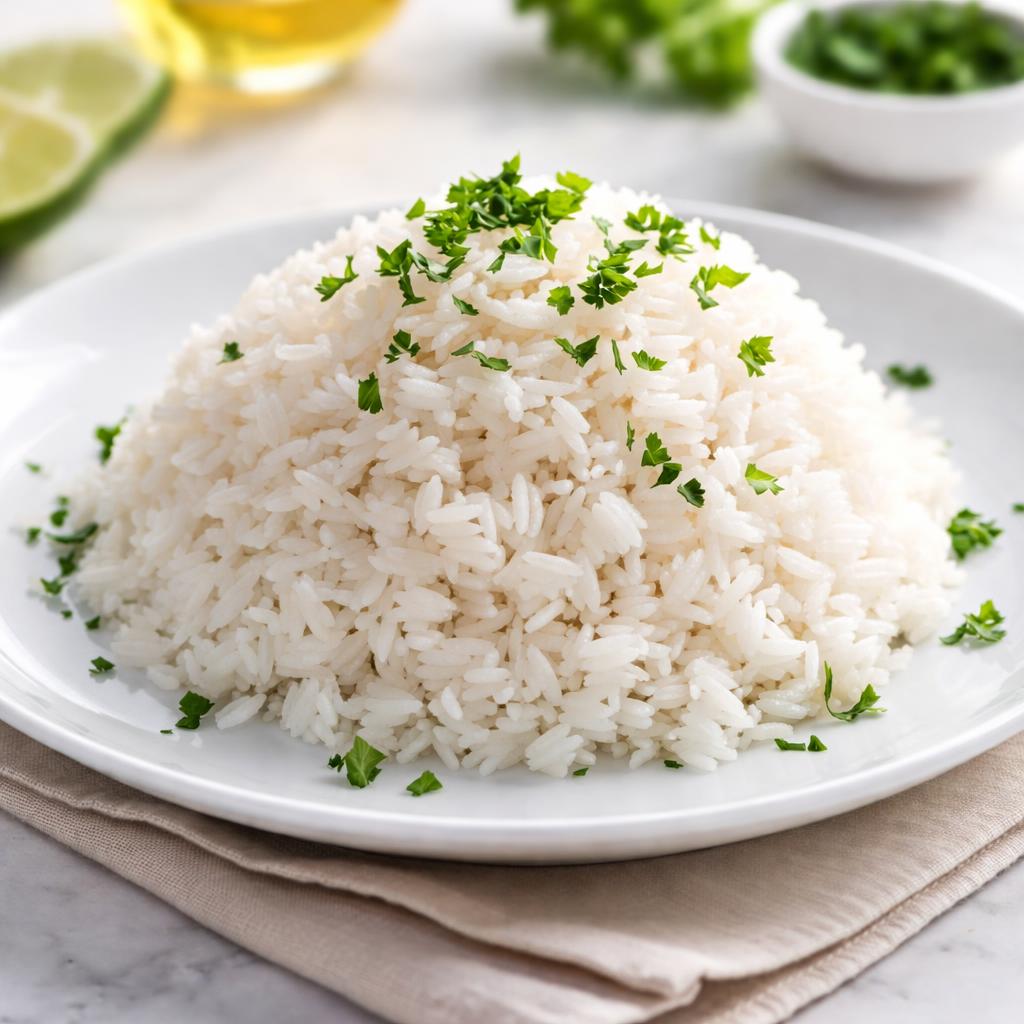
Rice
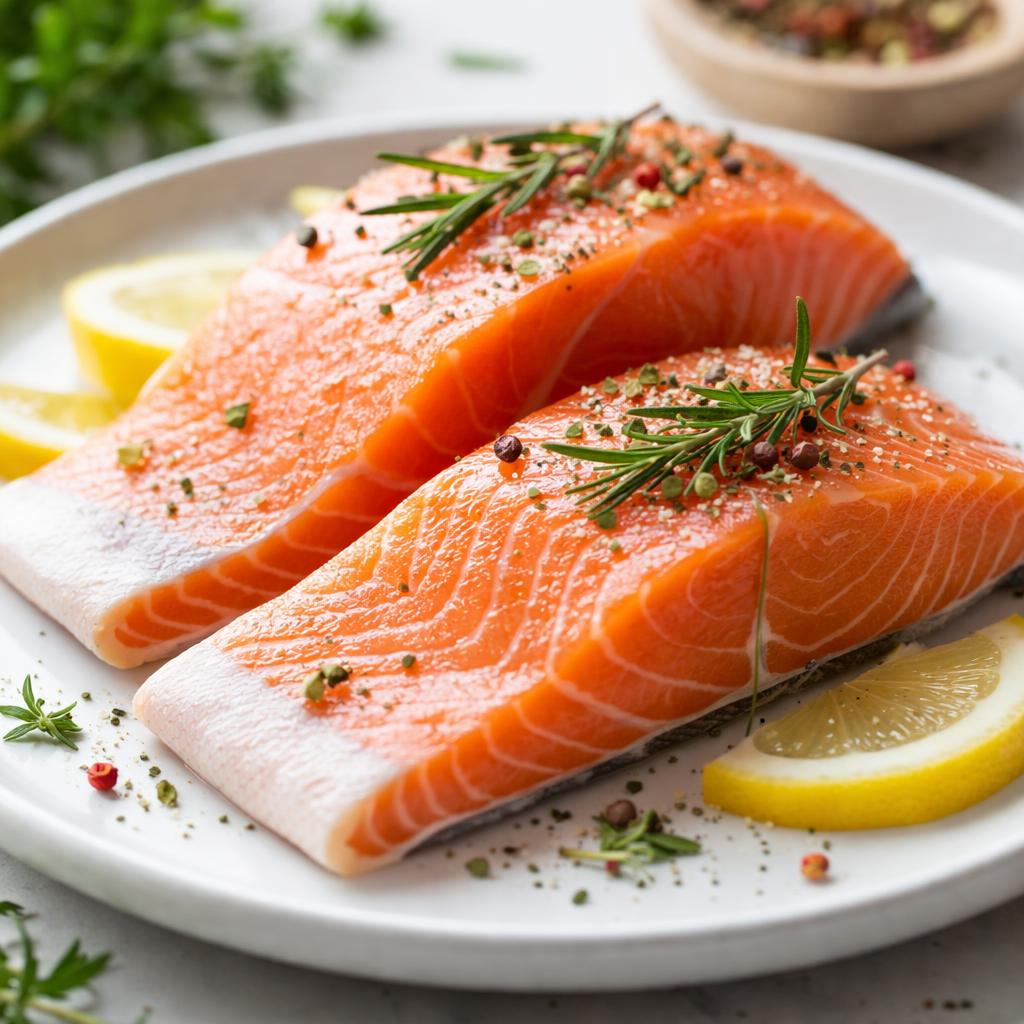
Fresh Salmon
🎯 Quick Verdict
Fresh salmon (food2) is overall more nutrient-dense than rice (food1), with significantly higher protein and healthy fats, making it ideal for muscle building and heart health. Rice provides more carbs and fiber, suiting energy needs and digestion support. Both have distinct roles in a balanced diet depending on health goals.

Smart Nutrition Tracking with SnapCalorie

📊 Nutritional Comparison
Macronutrients
| Nutrient | Food 1 | Food 2 | Winner |
|---|---|---|---|
| Calories | 130 per 1 cup cooked (158g) | 206 per 3 oz (85g) | ✓ |
| Protein | 2.7g | 22g | ✓ |
| Carbs | 28.2g | 0g | ✓ |
| Fat | 0.3g | 13g | ✓ |
| Fiber | 0.4g | 0g | ✓ |
Vitamins & Minerals
| Nutrient | Food 1 | Food 2 | Winner |
|---|---|---|---|
| Vitamin D | 0mcg | 11mcg | ✓ |
| Vitamin B12 | 0mcg | 4.9mcg | ✓ |
| Omega-3 Fatty Acids | 0g | 1.5g | ✓ |
| Iron | 0.2mg | 0.5mg | ✓ |
🏆 Category Winners
Protein
Salmon is an excellent source of complete protein with nearly 10x more protein than rice per serving.
Fiber
Rice contains dietary fiber (0.4g per serving) while salmon lacks fiber entirely.
Calories
Rice has fewer calories (130 per cup vs 206 per 3 oz salmon), making it a lower-calorie option.
Vitamins
Salmon is rich in essential vitamins like D and B12, and provides Omega-3s, whereas rice offers minimal micronutrients.
🥗 Diet Compatibility
Keto
Food 1: Not Compatible
Food 2: Compatible
Salmon is zero-carb, aligning with keto; rice is high-carb.
Vegan
Food 1: Compatible
Food 2: Not Compatible
Rice is plant-based while salmon is animal-derived.
Gluten Free
Food 1: Compatible
Food 2: Compatible
Neither rice nor salmon contains gluten.
Paleo
Food 1: Compatible
Food 2: Compatible
Both foods align with Paleo principles.
Low-Carb
Food 1: Not Compatible
Food 2: Compatible
Salmon is naturally low-carb (0g), whereas rice is high-carb (28.2g per serving).
💪 Health Benefits Comparison
Food 1 Benefits
- Provides quick energy from carbs
- Contains small amounts of fiber for digestion
- Easy to digest and ideal for sensitive stomachs
Food 2 Benefits
- Rich in high-quality protein for muscle repair and growth
- Contains Omega-3 fatty acids promoting heart and brain health
- Provides Vitamin D for bone health and mood regulation
- Offers Vitamin B12 for energy production and nerve function
✅ The Bottom Line
Choose rice for affordable carb energy and fiber, especially in plant-based meals. Opt for salmon when prioritizing protein, healthy fats, and essential vitamins, particularly for muscle gain, heart health, and anti-inflammatory benefits. Ideal diets may combine both foods to balance macronutrients and optimize nutrition.
Choose Food 1 for: Quick energy, vegan diets, budget-friendly meals
Choose Food 2 for: Muscle-building, heart health, nutrient-rich diets


