Rice VS French Baguette
A detailed nutritional comparison
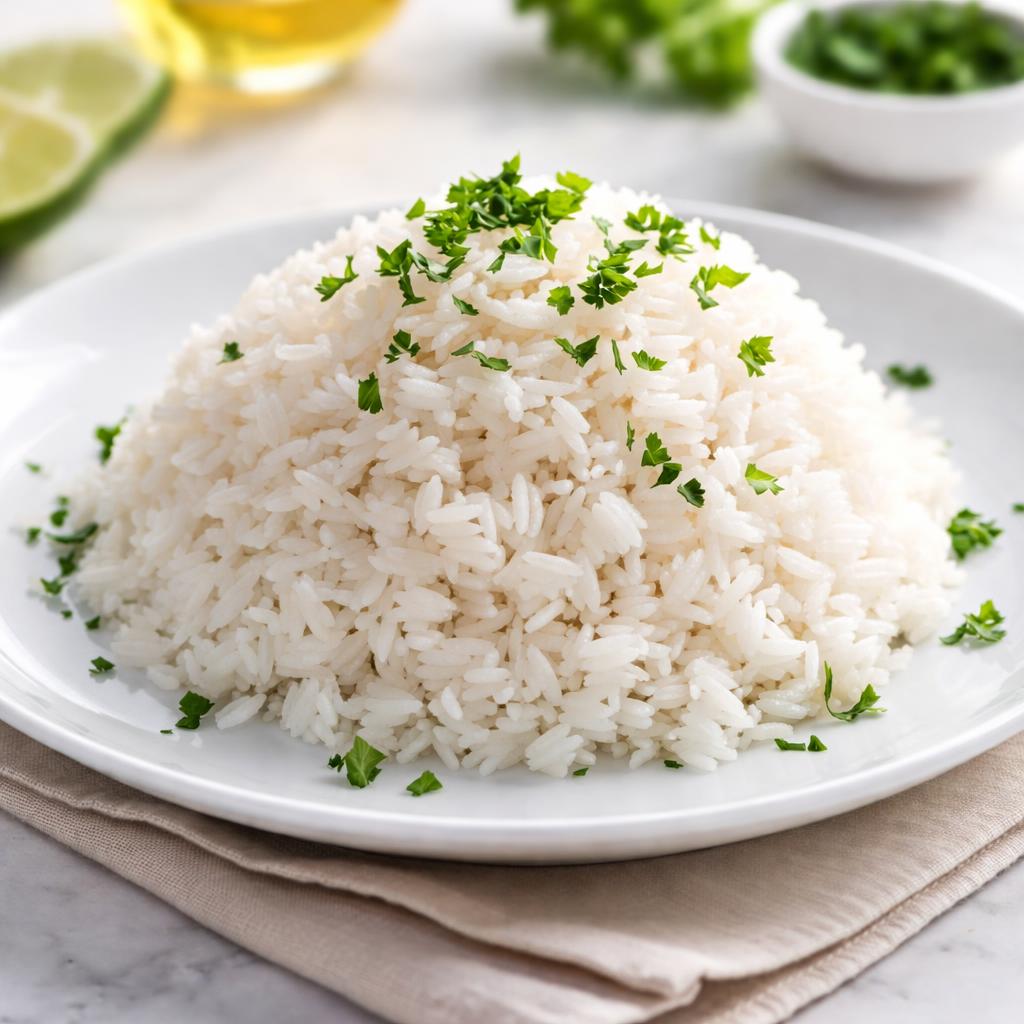
Rice
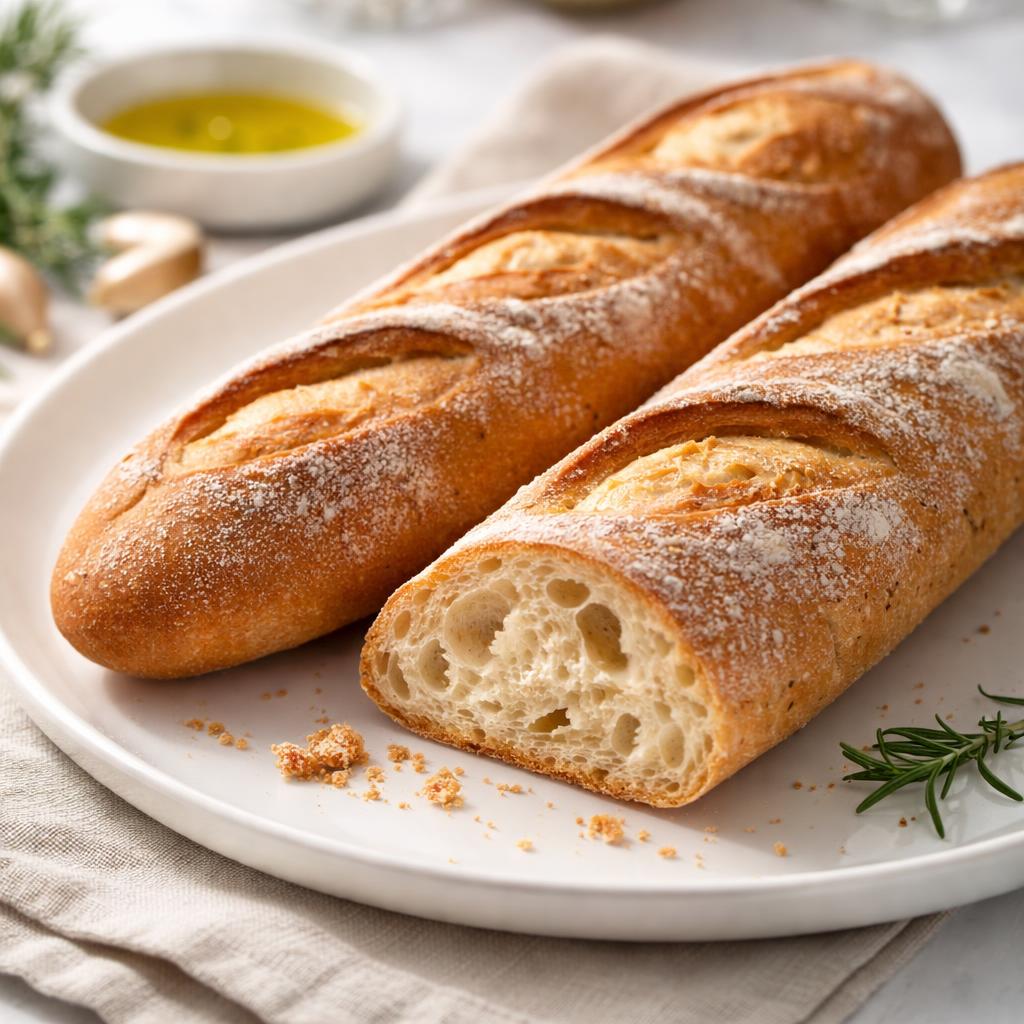
French Baguette
🎯 Quick Verdict
Rice is lower in calories and carbohydrates compared to French baguette, making it a better option for those on a calorie-controlled diet or seeking energy from complex carbs. Meanwhile, baguette provides more protein and fiber, making it better for those needing satiety and digestive benefits. Both are versatile staples with different best use cases depending on dietary goals.

Smart Nutrition Tracking with SnapCalorie

📊 Nutritional Comparison
Macronutrients
| Nutrient | Food 1 | Food 2 | Winner |
|---|---|---|---|
| Calories | 130 | 250 | ✓ |
| Protein | 2g | 8g | ✓ |
| Carbs | 28g | 50g | ✓ |
| Fat | 0.3g | 1g | ✓ |
| Fiber | 0.5g | 1.5g | ✓ |
Vitamins & Minerals
| Nutrient | Food 1 | Food 2 | Winner |
|---|---|---|---|
| Vitamin B1 | 0.02mg | 0.3mg | ✓ |
| Magnesium | 11mg | 35mg | ✓ |
| Iron | 0.2mg | 1.2mg | ✓ |
🏆 Category Winners
Protein
French baguette contains 4x more protein compared to rice.
Fiber
French baguette provides 3x more fiber than rice, beneficial for digestion.
Calories
Rice has nearly 50% fewer calories per serving compared to baguette.
Vitamins
Baguette offers higher amounts of essential micronutrients such as Vitamin B1, Magnesium, and Iron.
🥗 Diet Compatibility
Keto
Food 1: Not Compatible
Food 2: Not Compatible
Both foods are high in carbohydrates.
Vegan
Food 1: Compatible
Food 2: Compatible
Both foods are plant-based.
Gluten Free
Food 1: Compatible
Food 2: Not Compatible
Rice is naturally gluten-free, while baguette contains wheat gluten.
Paleo
Food 1: Compatible
Food 2: Not Compatible
Rice aligns with most paleo diets, whereas baguette is processed.
Low Carb
Food 1: Not Compatible
Food 2: Not Compatible
Both options exceed typical low-carb diet limits.
💪 Health Benefits Comparison
Food 1 Benefits
- Provides quick energy due to high carbohydrate content
- Naturally gluten-free, suitable for gluten-sensitive individuals
- Low-fat option for calorie-conscious diets
Food 2 Benefits
- Higher protein content supports muscle maintenance and repair
- Rich in fiber, beneficial for digestion and satiety
- Contains more micronutrients like Iron and Vitamin B1 for vital functions
✅ The Bottom Line
Choose rice for lower calorie meals or gluten-free options, especially if you need energy from simple carbohydrates. Opt for French baguette if aiming to increase protein and fiber intake along with micronutrient-rich carbohydrates. Both foods are versatile but serve different nutritional needs.
Choose Food 1 for: Calorie-controlled diets, gluten-free meals, quick energy
Choose Food 2 for: Higher protein intake, fiber for satiety, nutrient density


