Rice VS Food
A detailed nutritional comparison
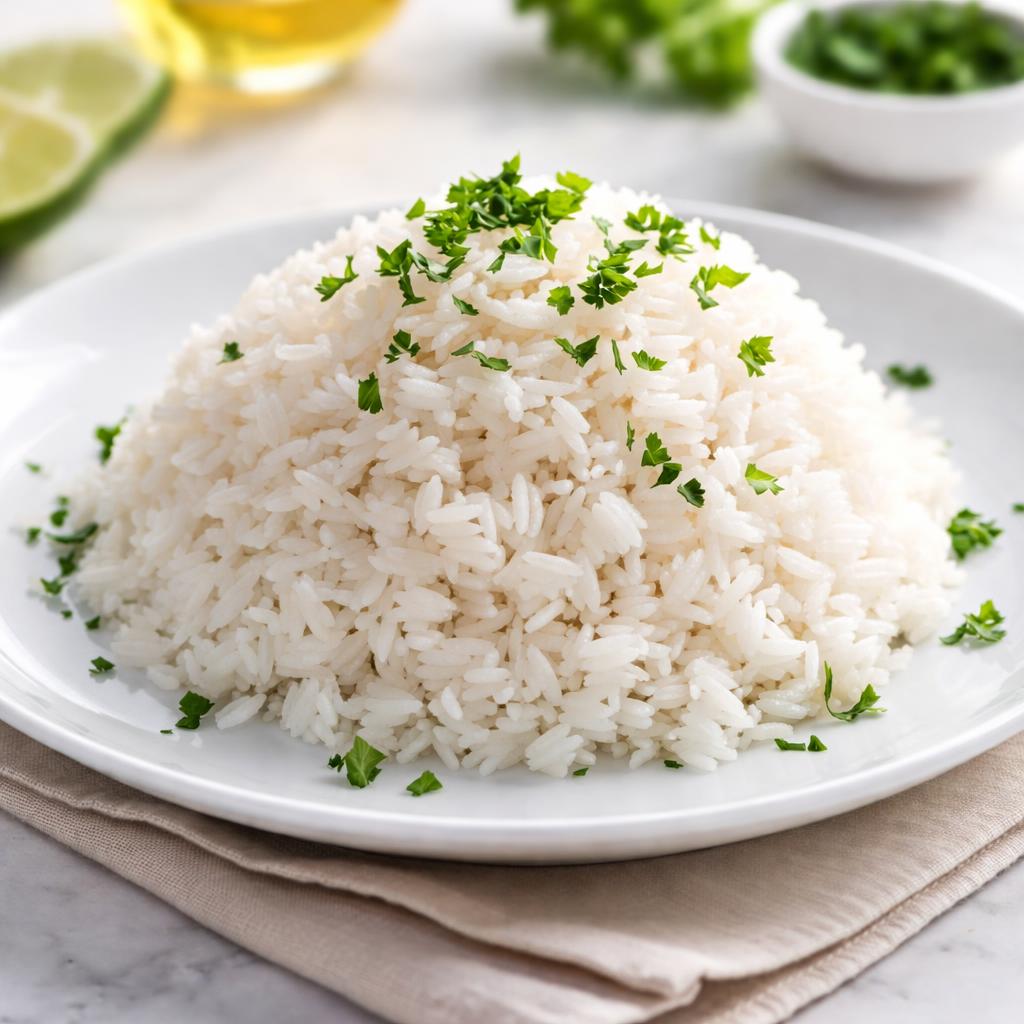
Rice
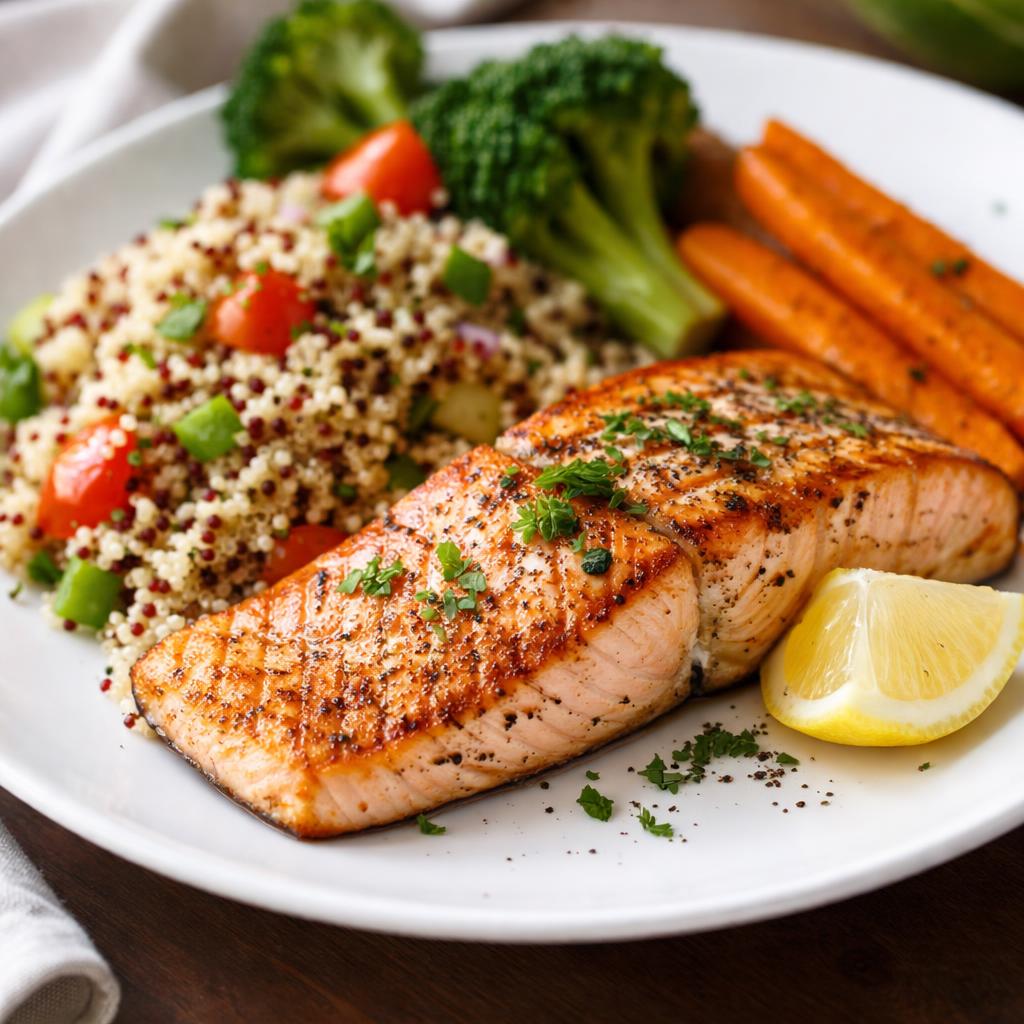
Food
🎯 Quick Verdict
Rice and food2 have notable nutritional differences. Rice is lower in calories and ideal for energy, whereas food2 offers more protein, fiber, and other essential nutrients, making it more nutrient-dense. Rice is best for carb-heavy meals, while food2 is better for overall nutrition and heart health goals.

Smart Nutrition Tracking with SnapCalorie

📊 Nutritional Comparison
Macronutrients
| Nutrient | Food 1 | Food 2 | Winner |
|---|---|---|---|
| Calories | 130 per 100g | 200 per 100g | ✓ |
| Protein | 2.7g per 100g | 10g per 100g | ✓ |
| Carbs | 28g per 100g | 15g per 100g | ✓ |
| Fat | 0.3g per 100g | 8g per 100g | ✓ |
| Fiber | 0.4g per 100g | 3g per 100g | ✓ |
Vitamins & Minerals
| Nutrient | Food 1 | Food 2 | Winner |
|---|---|---|---|
| Vitamin D | 0mcg | 2mcg | ✓ |
| Calcium | 10mg | 50mg | ✓ |
| Iron | 0.2mg | 2mg | ✓ |
🏆 Category Winners
Protein
Food2 has over three times more protein than rice, supporting muscle growth and repair.
Fiber
Food2 provides significantly more fiber for digestion and satiety.
Calories
Rice is lower in calories and suitable for those on a calorie-controlled diet.
Vitamins
Food2 delivers more vitamin D, calcium, and iron than rice, enhancing overall nutrition.
🥗 Diet Compatibility
Keto
Food 1: Not Compatible
Food 2: Compatible
Rice is high in carbs, while food2 is lower in carbs.
Vegan
Food 1: Compatible
Food 2: Compatible
Both foods are plant-based and suitable for vegans.
Gluten Free
Food 1: Compatible
Food 2: Compatible
Neither rice nor food2 contains gluten.
Paleo
Food 1: Compatible
Food 2: Compatible
Both foods align with paleo dietary principles.
Low Carb
Food 1: Not Compatible
Food 2: Compatible
Rice is carb-heavy, whereas food2 is lower in carbohydrates.
💪 Health Benefits Comparison
Food 1 Benefits
- Provides quick, sustained energy from complex carbohydrates
- Low in fat and sodium, making it heart-healthy
- Naturally gluten-free and suitable for sensitive diets
Food 2 Benefits
- Rich in protein for muscle maintenance and growth
- High in fiber, aiding digestion and promoting satiety
- Contains healthy fats for heart health and cellular function
✅ The Bottom Line
Choose rice for energy-boosting meals or calorie-controlled diets. Opt for food2 if you seek higher protein, fiber, and healthier fat content. Both foods have their merits depending on your dietary goals.
Choose Food 1 for: Quick energy, calorie-controlled meals, pairing with lean proteins
Choose Food 2 for: Muscle building, heart health, balanced nutrition


