Rice VS Fish Stew
A detailed nutritional comparison
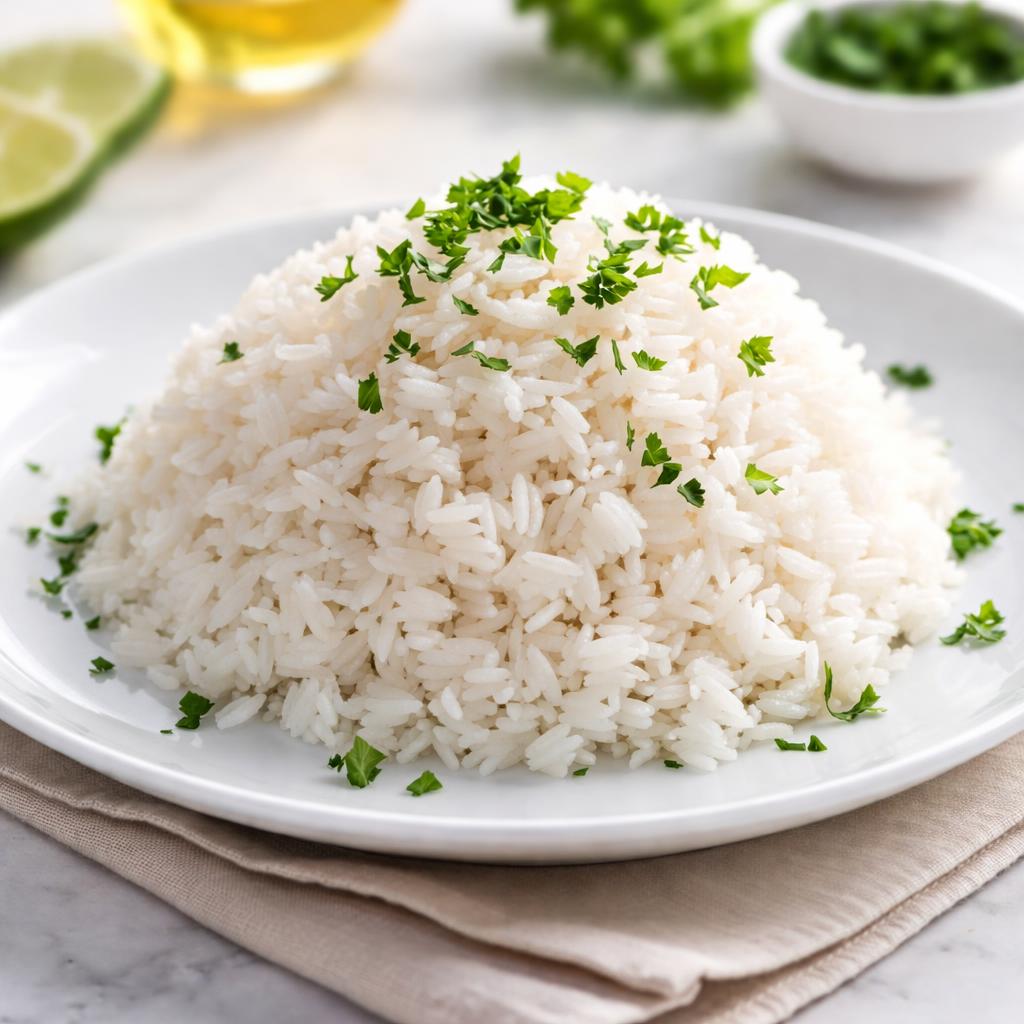
Rice
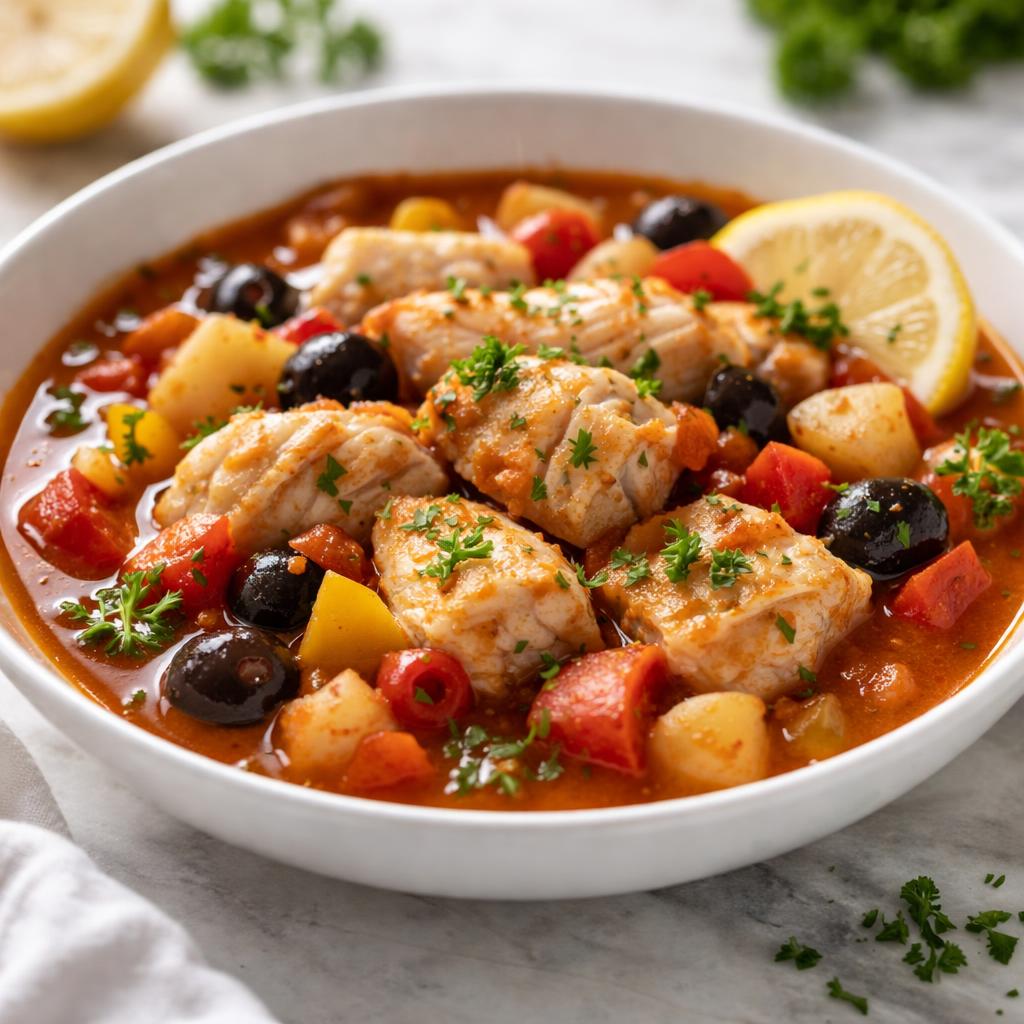
Fish Stew
🎯 Quick Verdict
Rice is a great source of carbohydrates and is lower in calories compared to fish stew, but it lacks significant protein content. Fish stew provides a much higher amount of protein, healthy fats, and vital micronutrients like omega-3 fatty acids and iron, making it especially beneficial for muscle building and heart health.

Smart Nutrition Tracking with SnapCalorie

📊 Nutritional Comparison
Macronutrients
| Nutrient | Food 1 | Food 2 | Winner |
|---|---|---|---|
| Calories | 130 | 200 | ✓ |
| Protein | 2g | 18g | ✓ |
| Carbs | 28g | 8g | ✓ |
| Fat | 0.3g | 7g | ✓ |
| Fiber | 0.7g | 0.3g | ✓ |
Vitamins & Minerals
| Nutrient | Food 1 | Food 2 | Winner |
|---|---|---|---|
| Vitamin D | 0mcg | 10mcg | ✓ |
| Calcium | 10mg | 30mg | ✓ |
| Iron | 0.5mg | 1.5mg | ✓ |
🏆 Category Winners
Protein
Fish stew contains 9 times more protein than rice, making it excellent for muscle development and repair.
Fiber
Rice has slightly more fiber compared to fish stew, supporting digestive health.
Calories
Rice has fewer calories per serving, ideal for low-calorie meal plans.
🥗 Diet Compatibility
Keto
Food 1: Not Compatible
Food 2: Compatible
Rice is high in carbohydrates, whereas fish stew is low-carb and high in fat.
Vegan
Food 1: Compatible
Food 2: Not Compatible
Rice is plant-based, but fish stew contains animal products.
Gluten Free
Food 1: Compatible
Food 2: Compatible
Neither rice nor fish stew contains gluten.
Paleo
Food 1: Not Compatible
Food 2: Compatible
Rice is a grain and not paleo-friendly, whereas fish stew aligns with paleo principles.
Low-Carb
Food 1: Not Compatible
Food 2: Compatible
Rice is high in carbohydrates (28g per serving), making it unsuitable for low-carb diets.
💪 Health Benefits Comparison
Food 1 Benefits
- Provides sustained energy due to its carbohydrate content
- Low in fat, suitable for weight management
- Easy to digest, ideal for sensitive stomachs
Food 2 Benefits
- Excellent source of protein for muscle building
- Contains omega-3 fatty acids, which benefit heart and brain health
- Rich in Vitamin D and iron, supporting bone health and immune function
✅ The Bottom Line
Choose rice when you're looking for a low-calorie, carb-focused side dish or are following a vegan diet. Opt for fish stew if you need a high-protein, nutrient-dense main dish, especially for active lifestyles or heart and muscle health improvement.
Choose Food 1 for: Vegan diets, light meals, carb-focused energy boosts
Choose Food 2 for: Protein-rich meals, muscle repair, heart and brain health


