Rice VS Fish
A detailed nutritional comparison
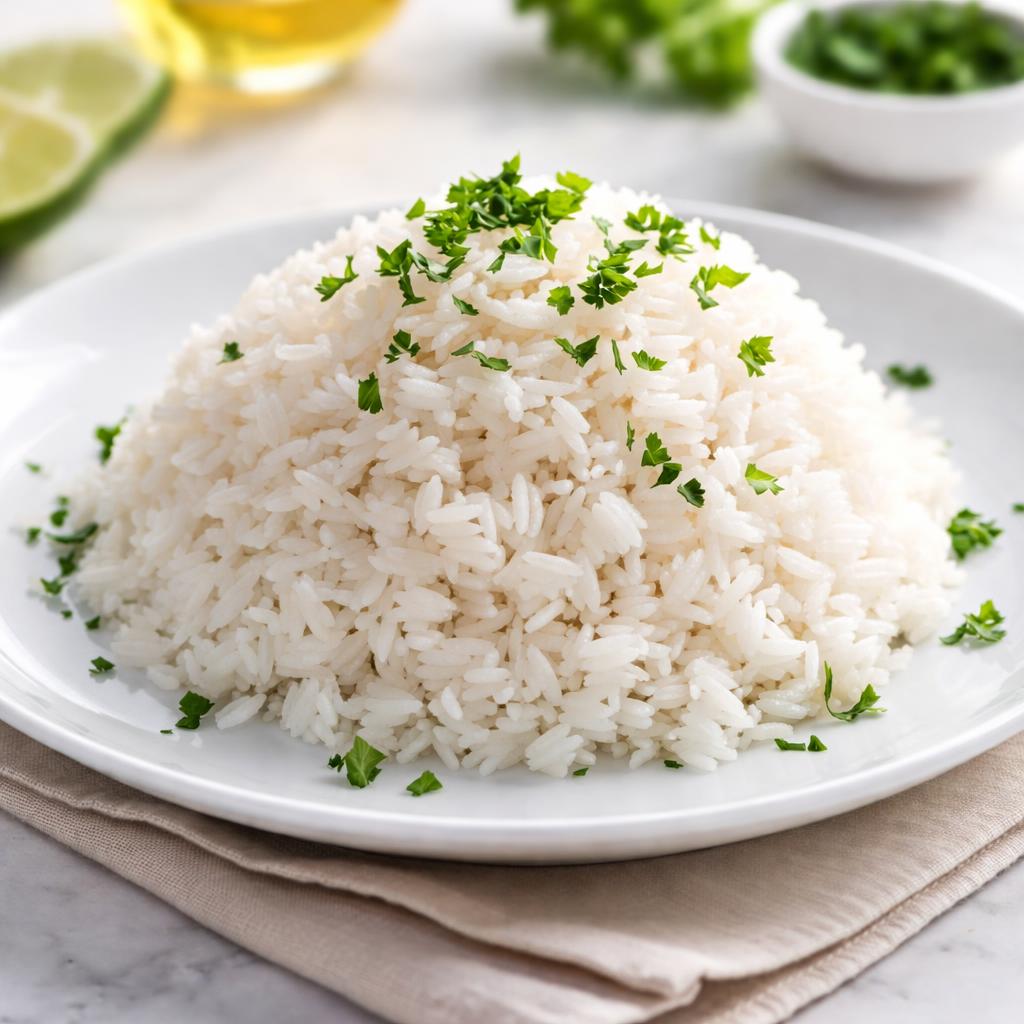
Rice
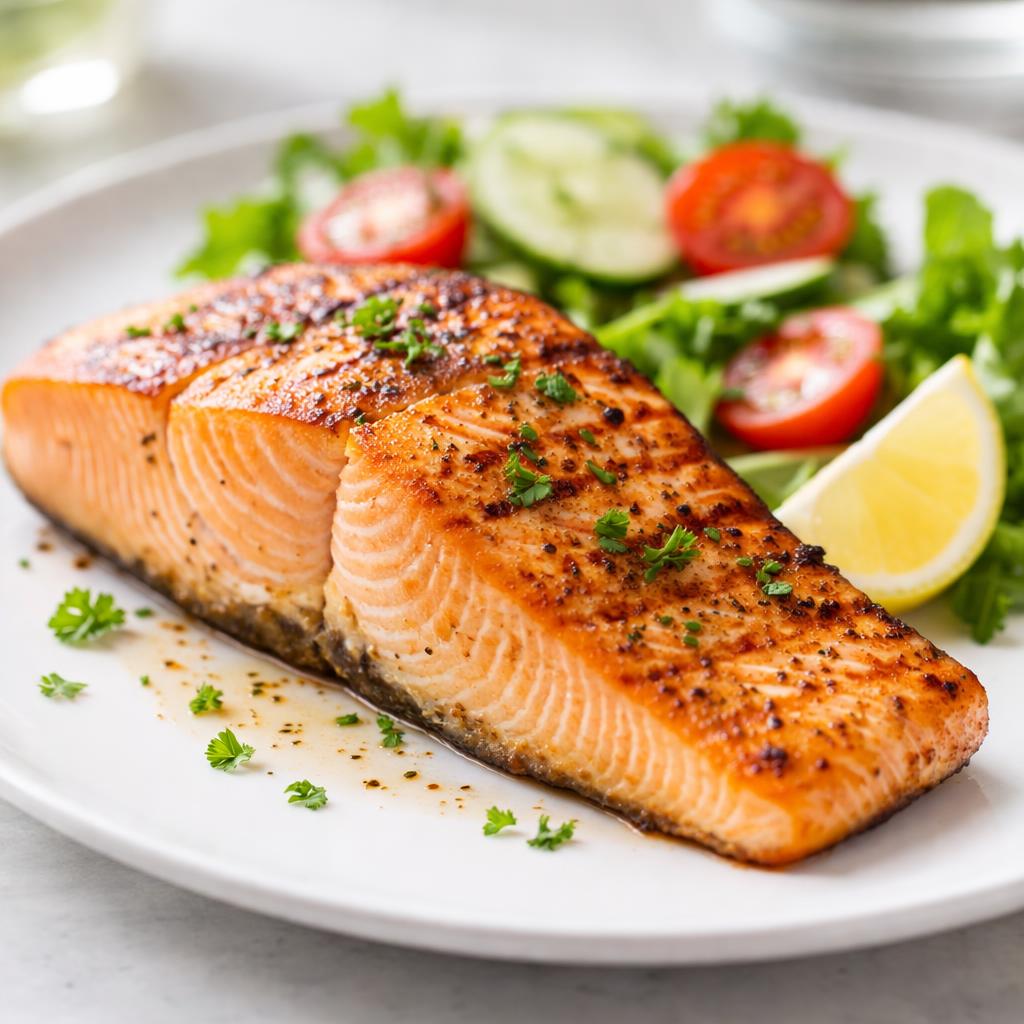
Fish
🎯 Quick Verdict
Fish (Food 2) is a high-protein, low-calorie food perfect for supporting muscle growth and weight management, offering heart-healthy fats like omega-3s. Rice (Food 1) is a higher-carb, energy-dense option with more fiber, suited for sustained energy and digestion-friendly diets. Choose based on your dietary goals and caloric needs.

Smart Nutrition Tracking with SnapCalorie

📊 Nutritional Comparison
Macronutrients
| Nutrient | Food 1 | Food 2 | Winner |
|---|---|---|---|
| Calories | 130 kcal (white rice, cooked, per 100g) | 206 kcal (salmon, cooked, per 100g) | ✓ |
| Protein | 2.7g | 22g | ✓ |
| Carbs | 28.2g | 0g | ✓ |
| Fat | 0.3g | 13g | ✓ |
| Fiber | 0.4g | 0g | ✓ |
Vitamins & Minerals
| Nutrient | Food 1 | Food 2 | Winner |
|---|---|---|---|
| Vitamin D | 0mcg | 16.7mcg | ✓ |
| Calcium | 10mg | 9mg | ✓ |
| Iron | 0.2mg | 0.3mg | ✓ |
🏆 Category Winners
Protein
Fish has nearly 10 times the protein per serving compared to rice.
Fiber
Rice contains fiber, while fish has none.
Calories
Rice is lower in calories per 100 grams compared to fish.
Vitamins
Fish is rich in vitamin D and omega-3 fatty acids for brain and heart health.
🥗 Diet Compatibility
Keto
Food 1: Not Compatible
Food 2: Compatible
Rice is high-carb, while fish is low-carb and keto-friendly.
Vegan
Food 1: Compatible
Food 2: Not Compatible
Rice is plant-based; fish is animal-derived, not suitable for vegans.
Gluten Free
Food 1: Compatible
Food 2: Compatible
Both rice and fish are gluten-free.
Paleo
Food 1: Not Compatible
Food 2: Compatible
Rice is excluded on paleo diets; fish is acceptable.
Low-Carb
Food 1: Not Compatible
Food 2: Compatible
Rice is high-carb (28.2g), while fish contains no carbs, ideal for low-carb diets.
💪 Health Benefits Comparison
Food 1 Benefits
- High in carbohydrates to provide sustained energy
- Easy-to-digest source of calories for athletes and active individuals
- Minor contribution of fiber for digestive health
Food 2 Benefits
- Excellent source of high-quality protein for muscle health
- Rich in omega-3 fatty acids supporting heart and brain health
- Provides vitamin D for immune system and bone health
✅ The Bottom Line
Fish is the clear choice for boosting protein intake, supporting low-carb/keto diets, and gaining essential vitamins like D and omega-3s. Rice is better suited for energy needs, active lifestyles, or vegan diets. Balance these foods based on your individual dietary goals.
Choose Food 1 for: Sustained energy, vegan diets, and side dishes to complement meals
Choose Food 2 for: Weight loss, muscle building, low-carb/keto, and heart health


