Rice VS Fat Free Cheese
A detailed nutritional comparison
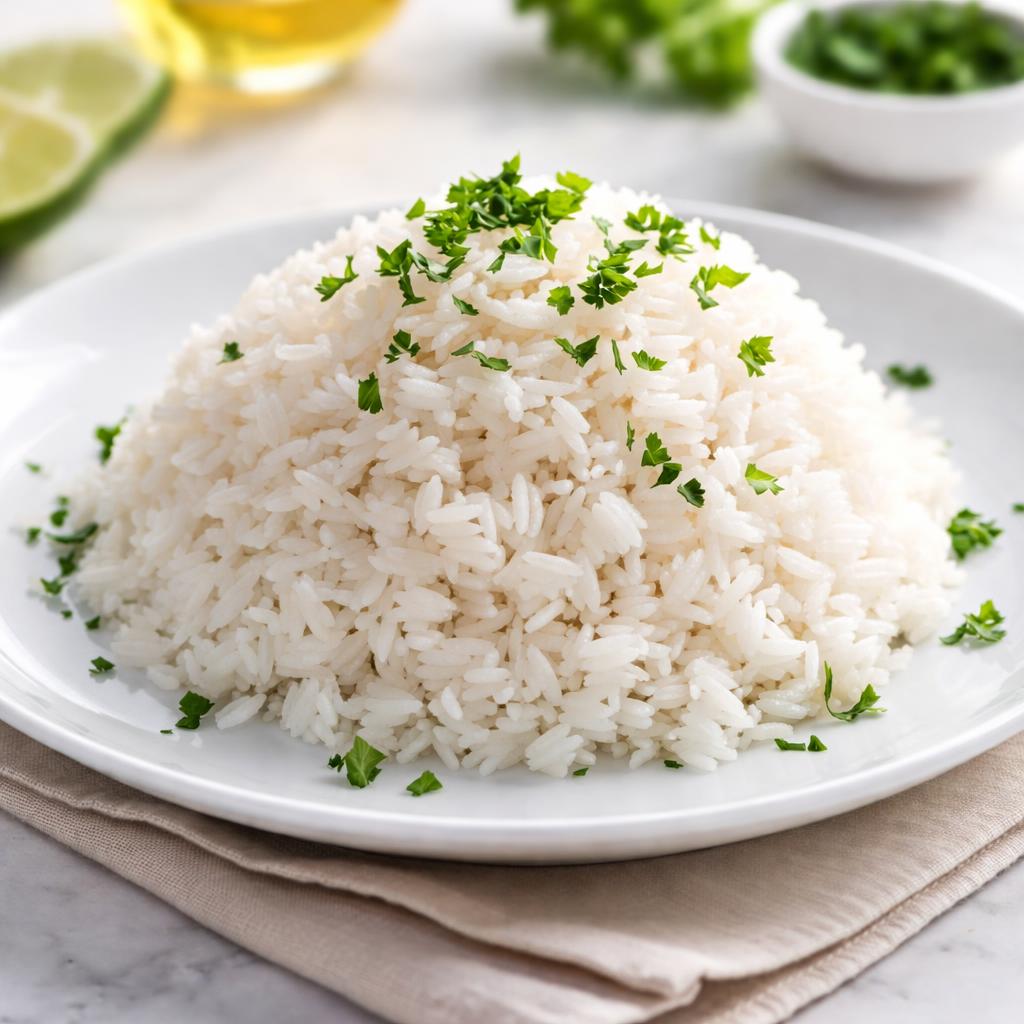
Rice
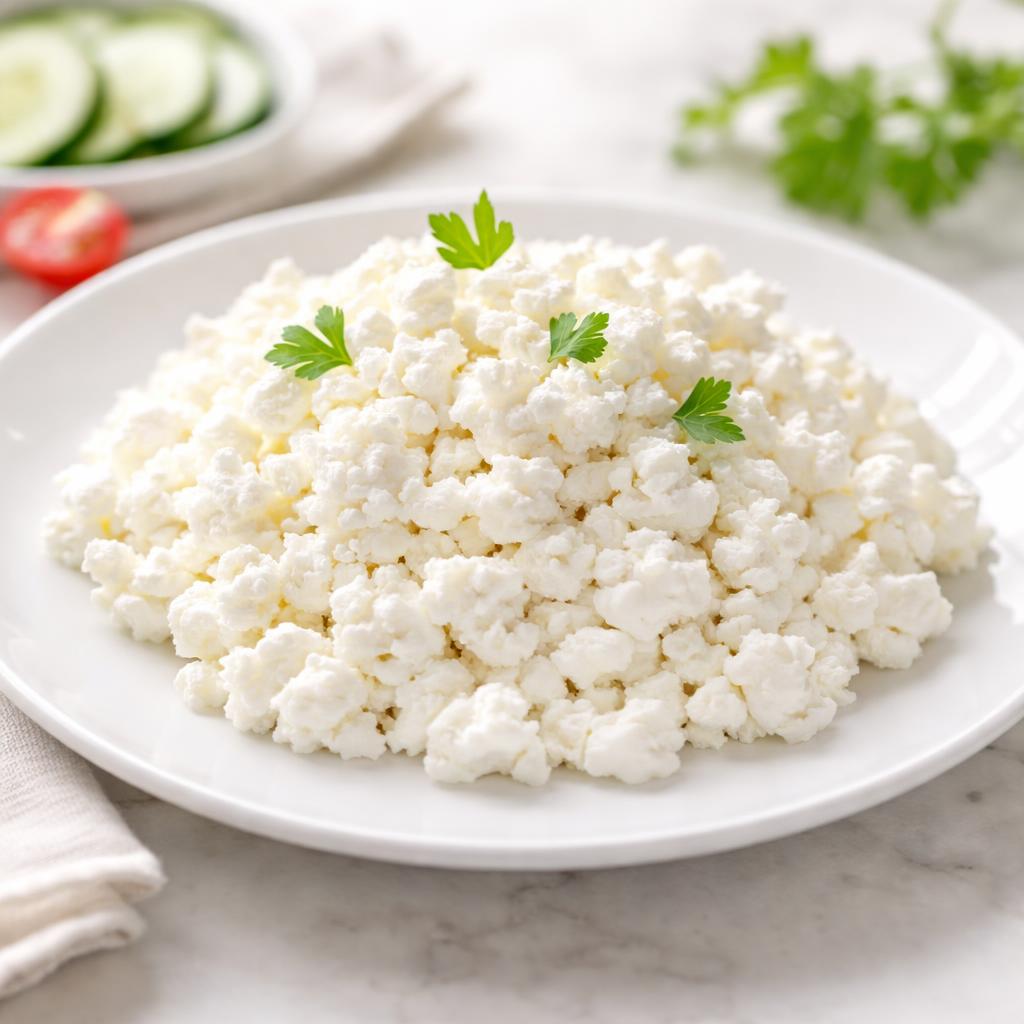
Fat Free Cheese
🎯 Quick Verdict
Fat free cheese is a superior choice for protein and calorie control, offering 16g of protein and only 80 calories per serving, ideal for muscle building or weight loss diets. Rice, on the other hand, is higher in fiber, carbohydrates, and provides sustained energy, making it better for endurance activities or refeeding periods after strenuous effort. Both foods serve different nutritional needs effectively.

Smart Nutrition Tracking with SnapCalorie

📊 Nutritional Comparison
Macronutrients
| Nutrient | Food 1 | Food 2 | Winner |
|---|---|---|---|
| Calories | 200 | 80 | ✓ |
| Protein | 4g | 16g | ✓ |
| Carbs | 45g | 2g | ✓ |
| Fat | 0.5g | 0g | ✓ |
| Fiber | 1g | 0g | ✓ |
Vitamins & Minerals
| Nutrient | Food 1 | Food 2 | Winner |
|---|---|---|---|
| Vitamin D | 0mcg | 2mcg | ✓ |
| Calcium | 20mg | 200mg | ✓ |
| Iron | 0.5mg | 0mg | ✓ |
🏆 Category Winners
Protein
Fat free cheese offers 300% more protein per serving.
Fiber
Rice contains 1g of fiber per serving compared to 0g in cheese.
Calories
Fat free cheese has 60% fewer calories than rice.
Vitamins
Cheese provides significantly higher calcium and vitamin D levels than rice.
🥗 Diet Compatibility
Keto
Food 1: Not Compatible
Food 2: Compatible
Fat free cheese is low carb and aligns with keto requirements; rice is high-carb.
Vegan
Food 1: Compatible
Food 2: Not Compatible
Rice is plant-based; cheese is derived from animal milk.
Gluten Free
Food 1: Compatible
Food 2: Compatible
Both foods are naturally gluten-free.
Paleo
Food 1: Not Compatible
Food 2: Not Compatible
Neither rice nor fat free cheese are considered paleo-friendly.
Low-Carb
Food 1: Not Compatible
Food 2: Compatible
Fat free cheese contains just 2g carbs per serving, while rice is high-carb with 45g per serving.
💪 Health Benefits Comparison
Food 1 Benefits
- Provides sustained energy due to complex carbohydrates
- Low in fat, making it heart-friendly
- Good source of iron for oxygen transport in the body
Food 2 Benefits
- High in protein for muscle growth and repair
- Rich in calcium to support bone health
- Low-calorie option ideal for weight loss diets
- Contains vitamin D for immune function and prevention of deficiencies
✅ The Bottom Line
Choose rice for energy and fiber needs during endurance training or as part of a balanced plant-based diet. Fat free cheese is the better option for high-protein, low-calorie diets, especially for muscle building and weight loss goals. Both have distinct roles depending on dietary preferences.
Choose Food 1 for: Energy sustenance, endurance athletes, vegan diets
Choose Food 2 for: Weight loss, muscle recovery, low-carb diets


