Rice VS Dried Fruits
A detailed nutritional comparison
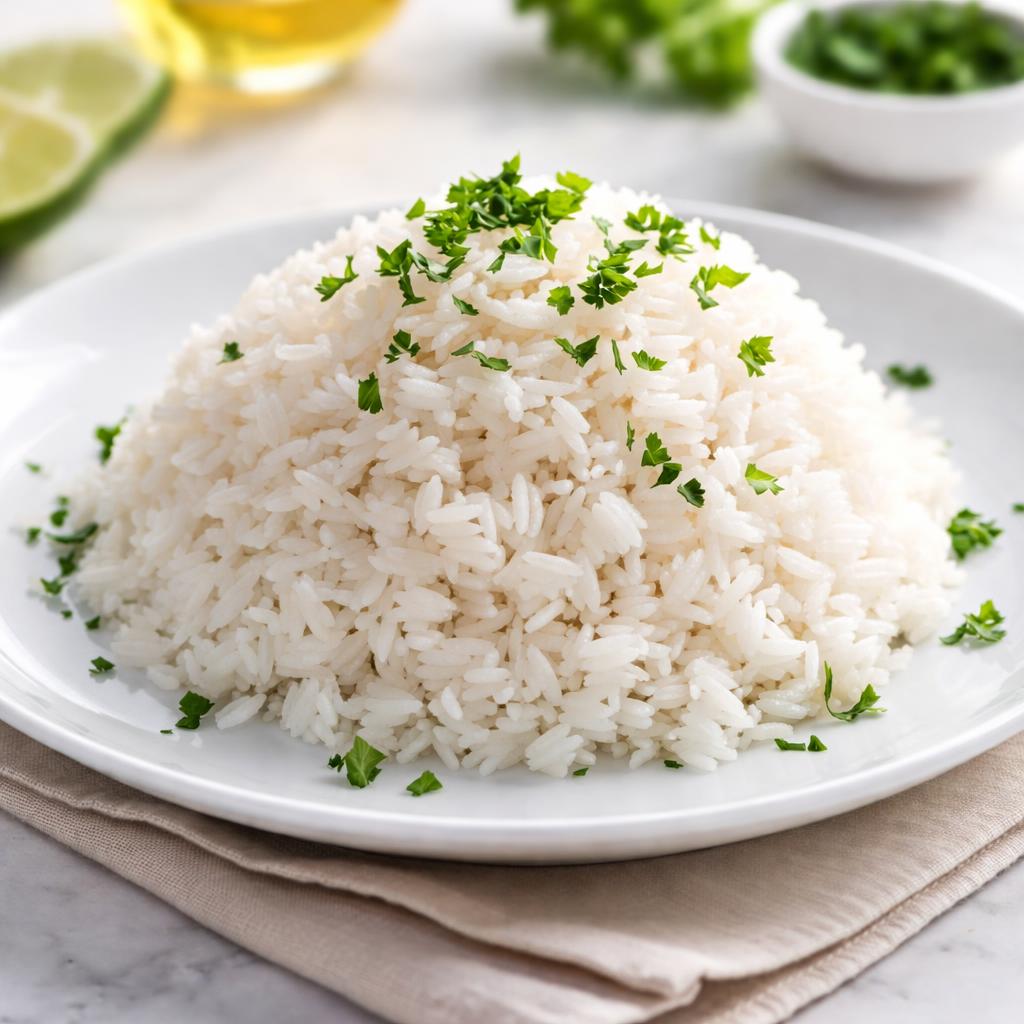
Rice
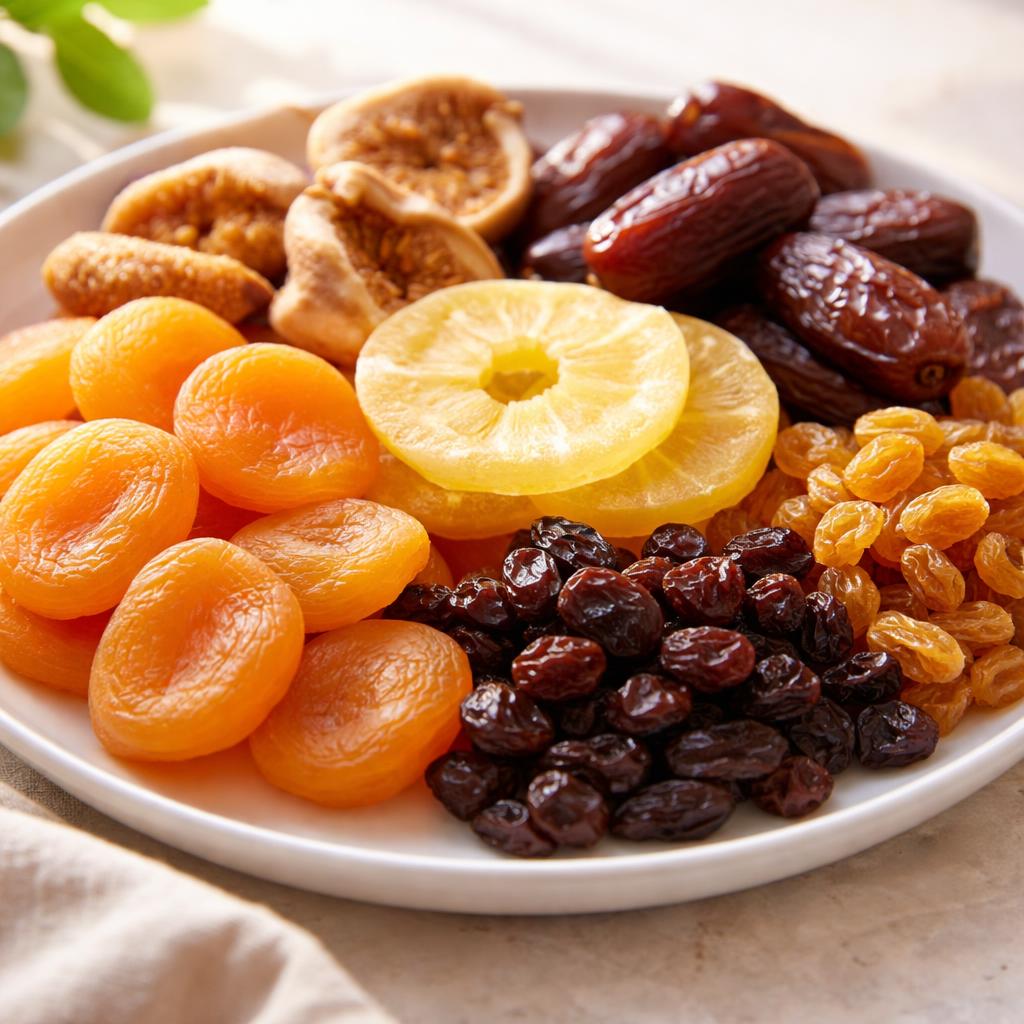
Dried Fruits
🎯 Quick Verdict
Rice and dried fruits differ significantly in their roles in a diet. Rice is a low-calorie, high-carb option suitable for energy and filling meals, while dried fruits are energy-dense and rich in fiber, antioxidants, and sugars for quick energy boosts and micronutrients. They complement different dietary goals, such as weight management with rice and nutrient density with dried fruits.

Smart Nutrition Tracking with SnapCalorie

📊 Nutritional Comparison
Macronutrients
| Nutrient | Food 1 | Food 2 | Winner |
|---|---|---|---|
| Calories | 130 (per 1 cup cooked) | 240 (per 1/4 cup) | − |
| Protein | 2.7g | 1g | − |
| Carbs | 28g | 60g | − |
| Fat | 0.3g | 0.2g | − |
| Fiber | 0.4g | 5g | − |
Vitamins & Minerals
| Nutrient | Food 1 | Food 2 | Winner |
|---|---|---|---|
| Vitamin C | 0mg | 3mg | − |
| Vitamin A | 0IU | 932IU | − |
| Potassium | 35mg | 588mg | − |
| Iron | 1mg | 1.5mg | − |
| Calcium | 10mg | 30mg | − |
🏆 Category Winners
Protein
Rice has more protein, providing 170% more protein per serving.
Fiber
Dried fruits offer significantly higher fiber with 5g per serving compared to rice's 0.4g.
Calories
Rice is a lower calorie option with nearly 50% fewer calories per serving.
Vitamins
Dried fruits are rich in multiple vitamins such as Vitamin A, C, potassium, and iron.
🥗 Diet Compatibility
Keto
Food 1: Not Compatible
Food 2: Not Compatible
Both foods are high-carb and unsuitable for keto diets.
Vegan
Food 1: Compatible
Food 2: Compatible
Both foods are plant-based options.
Gluten Free
Food 1: Compatible
Food 2: Compatible
Neither contains gluten.
Paleo
Food 1: Not Compatible
Food 2: Compatible
Rice is excluded from paleo diets, while dried fruits fit paleo guidelines.
Low Carb
Food 1: Not Compatible
Food 2: Not Compatible
Both foods are carb-rich and not aligned with low-carb diets.
💪 Health Benefits Comparison
Food 1 Benefits
- Low in calories, ideal for weight management
- Digestible source of energy due to its high carb content
- Provides small amounts of essential minerals like iron
Food 2 Benefits
- Rich in dietary fiber, supporting regular digestion
- Offers vitamins and antioxidants for overall health
- High potassium levels for muscle function and heart health
- Concentrated source of energy, beneficial for active individuals
✅ The Bottom Line
Choose rice for weight management and filling, low-calorie meals, especially in fitness-focused diets. Opt for dried fruits to increase fiber, vitamin, and mineral intake, or for quick energy during physical activities or busy days.
Choose Food 1 for: Weight loss, energy-dense meals, post-workout carb replenishment
Choose Food 2 for: Nutrient density, fiber intake, quick energy boosts


