Rice VS Dressing
A detailed nutritional comparison
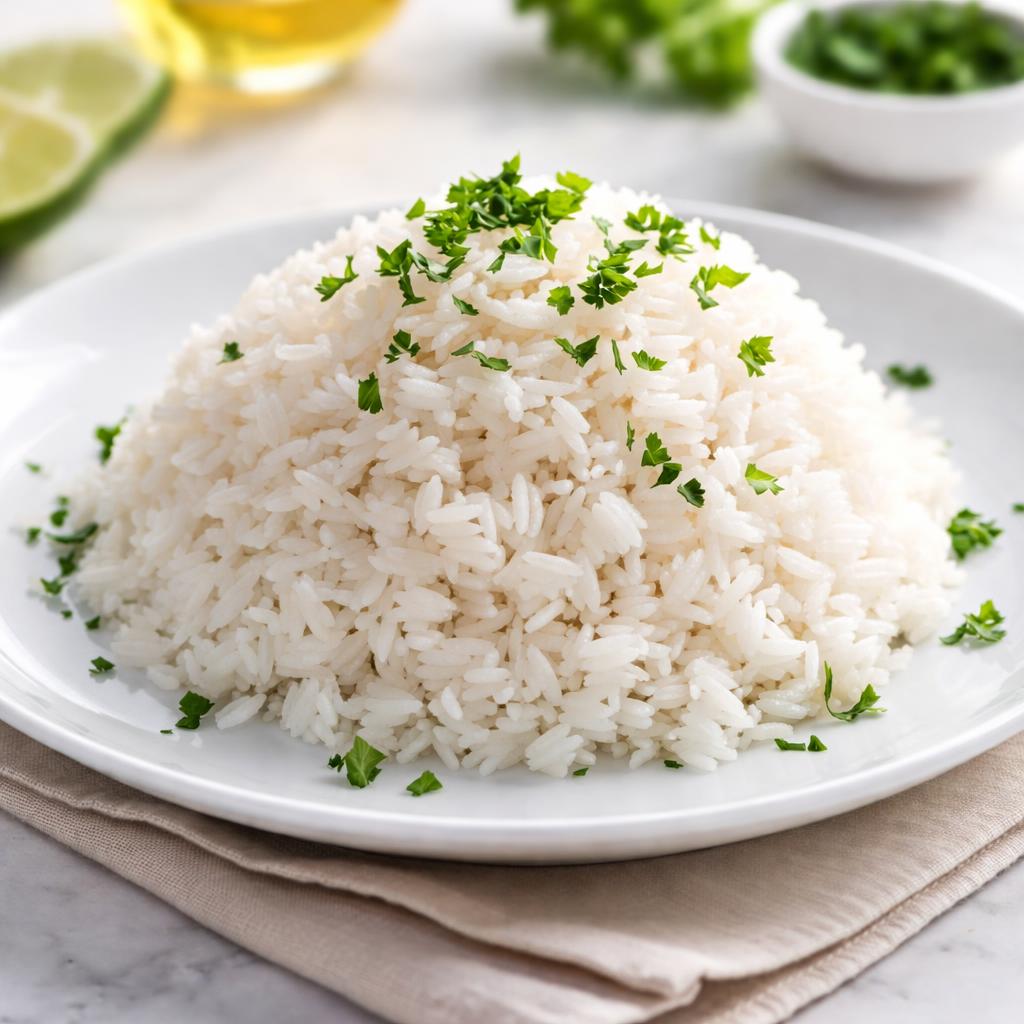
Rice
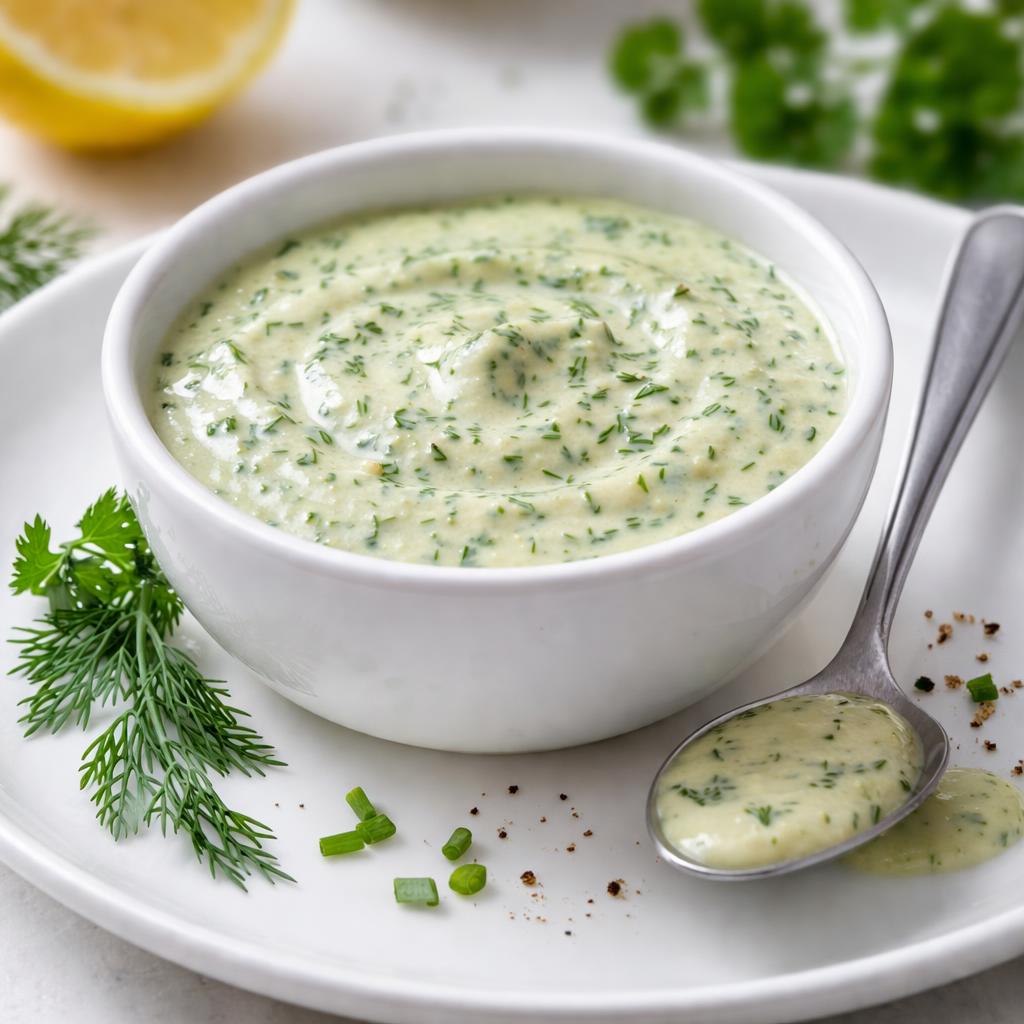
Dressing
🎯 Quick Verdict
Rice provides a higher amount of protein, fiber, and is generally lower in calories compared to dressing, making it a better option for foundational nutrition. Dressing is primarily used for flavor enhancement and tends to be calorie-dense, containing fats but limited essential nutrients.

Smart Nutrition Tracking with SnapCalorie

📊 Nutritional Comparison
Macronutrients
| Nutrient | Food 1 | Food 2 | Winner |
|---|---|---|---|
| Calories | 130 | 150 | − |
| Protein | 3g | 0.5g | − |
| Carbs | 28g | 2g | − |
| Fat | 0.3g | 14g | − |
| Fiber | 0.5g | 0g | − |
Vitamins & Minerals
| Nutrient | Food 1 | Food 2 | Winner |
|---|---|---|---|
| Vitamin D | 0mcg | 0mcg | − |
| Calcium | 10mg | 15mg | − |
| Iron | 0.3mg | 0.1mg | − |
🏆 Category Winners
Protein
Rice provides 6x more protein per serving compared to dressing.
Fiber
Rice has fiber, while dressing contains none.
Calories
Rice contains 20 fewer calories per serving than dressing.
🥗 Diet Compatibility
Keto
Food 1: Not Compatible
Food 2: Compatible
Rice is high in carbs, while dressing is low-carb and high-fat.
Vegan
Food 1: Compatible
Food 2: Compatible
Both foods are plant-based and suitable for vegan diets.
Gluten Free
Food 1: Compatible
Food 2: Compatible
Neither rice nor dressing contains gluten if verified.
Paleo
Food 1: Compatible
Food 2: Conditionally Compatible
Rice is minimally processed, while dressing must adhere to paleo-friendly ingredients.
Low-Carb
Food 1: Not Compatible
Food 2: Compatible
Rice is carb-rich, while dressing is low-carb and high-fat.
💪 Health Benefits Comparison
Food 1 Benefits
- Provides steady energy due to complex carbohydrates
- Low in fat, suitable for heart-healthy diets
- Contains small amounts of essential minerals like selenium
Food 2 Benefits
- High in healthy fats if using olive or avocado oil-based dressings
- Enhances flavor and encourages vegetable consumption
- May contain antioxidants depending on specific ingredients
✅ The Bottom Line
Rice is better suited as a staple food with its balanced macronutrients and lower calorie profile, ideal for energy sustenance or adding volume to meals. Dressing is an enhancement tool, great for improving flavor but less ideal for foundational nutrition due to its high fat and calorie content.
Choose Food 1 for: Energy sustenance, affordable meal bases, low-fat diets
Choose Food 2 for: Flavor enhancement, keto diets, healthy fat intake


