Rice VS Dipping Sauce
A detailed nutritional comparison
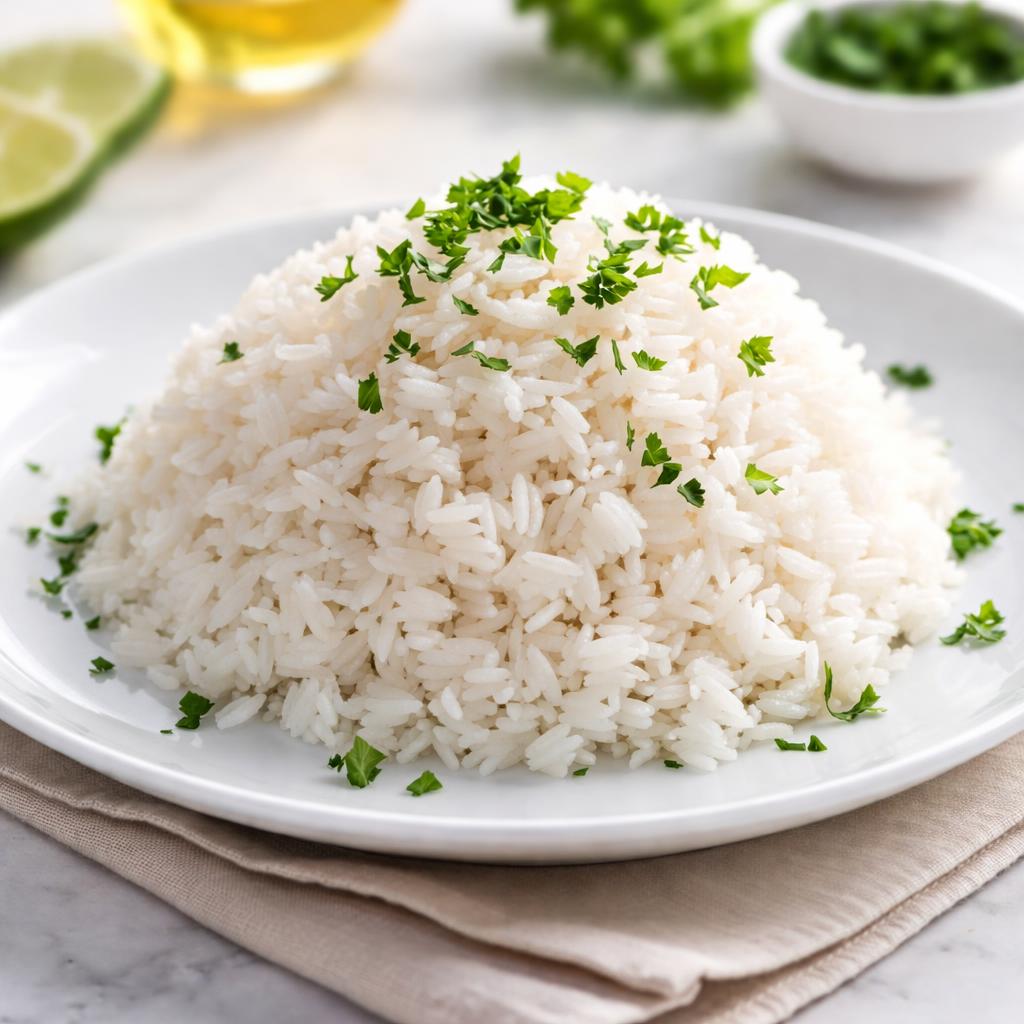
Rice
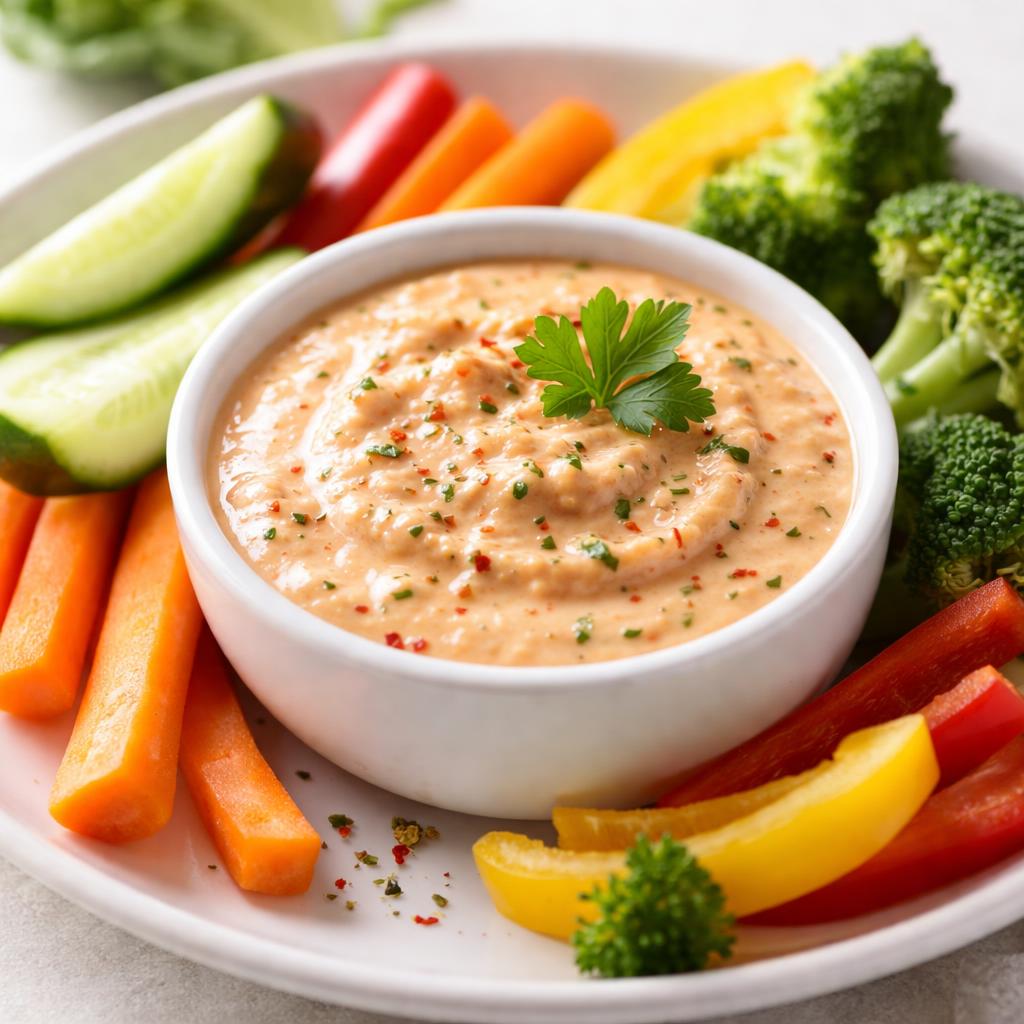
Dipping Sauce
🎯 Quick Verdict
Rice (food1) is a staple carbohydrate source with a moderate amount of fiber and protein and lower calories overall. Dipping sauces (food2) are typically calorie-dense, high in fats or sugars, and nutrient-deficient. Rice is better suited for a balanced diet or main dishes, while dipping sauce is best in moderation as a flavor enhancer.

Smart Nutrition Tracking with SnapCalorie

📊 Nutritional Comparison
Macronutrients
| Nutrient | Food 1 | Food 2 | Winner |
|---|---|---|---|
| Calories | 206 | 290 | ✓ |
| Protein | 4.3g | 4g | − |
| Carbs | 45g | 12g | ✓ |
| Fat | 0.4g | 22g | ✓ |
| Fiber | 0.6g | 0.1g | ✓ |
Vitamins & Minerals
| Nutrient | Food 1 | Food 2 | Winner |
|---|---|---|---|
| Vitamin D | 0mcg | 0mcg | − |
| Vitamin C | 0mg | 4mg | ✓ |
| Calcium | 10mg | 15mg | ✓ |
| Iron | 0.2mg | 0.5mg | ✓ |
🏆 Category Winners
Protein
Both foods provide nearly the same protein content.
Fiber
Rice contains six times the fiber of dipping sauce.
Calories
Rice has 29% fewer calories per serving compared to dipping sauce.
Vitamins
Dipping sauce contains slightly more Vitamin C, calcium, and iron.
🥗 Diet Compatibility
Keto
Food 1: Not Compatible
Food 2: Compatible
Rice is high in carbs, while sauces can be low-carb depending on ingredients.
Vegan
Food 1: Compatible
Food 2: Compatible
Both foods are plant-based unless the sauce contains animal products.
Gluten Free
Food 1: Compatible
Food 2: Depends
Rice is naturally gluten-free; sauces could contain gluten depending on composition.
Paleo
Food 1: Not Compatible
Food 2: Depends
Rice is excluded from paleo diets; sauce compatibility varies with ingredients.
Low Carb
Food 1: Not Compatible
Food 2: Compatible
Rice is high in carbs, while certain sauces are low in carbohydrates.
💪 Health Benefits Comparison
Food 1 Benefits
- Provides sustained energy through carbohydrates
- Low in fat, suitable for heart-healthy diets
- Moderate protein content supports muscle repair
Food 2 Benefits
- Enhances flavor to improve meal satisfaction
- May contain beneficial spices such as antioxidants
- Good source of healthy fats, depending on composition
✅ The Bottom Line
Rice is a better choice when looking for a filling, nutrient-dense carbohydrate source to complement meals. Dipping sauce should only be used sparingly due to its high calorie and fat content. Rice is ideal for balanced diets, while dipping sauce works best as a flavorful addition to dishes without overconsumption.
Choose Food 1 for: Balanced meals, energy, meal prep, low-fat diets
Choose Food 2 for: Flavor enhancement, low-carb diets, occasional use


