Rice VS Dinner Rolls
A detailed nutritional comparison
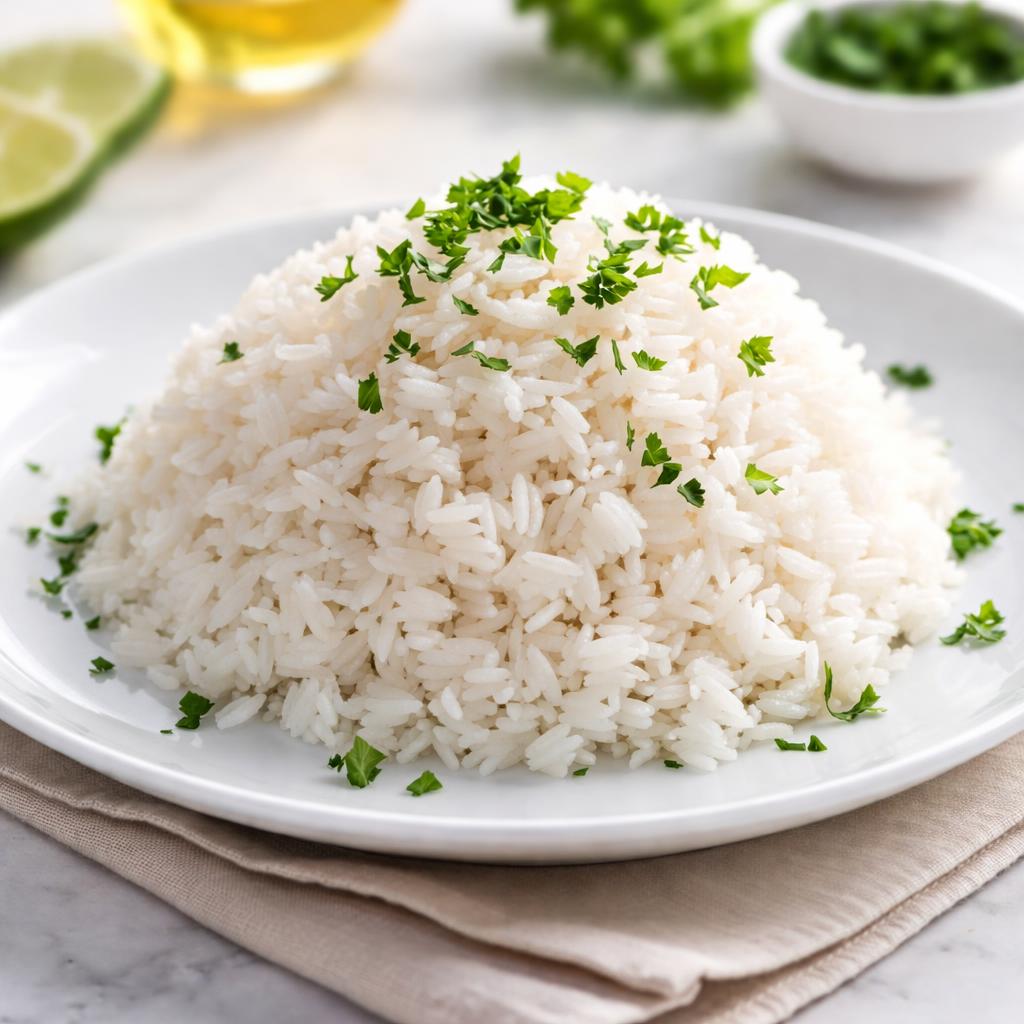
Rice

Dinner Rolls
🎯 Quick Verdict
Rice and dinner rolls are both staple foods, but they differ in key nutritional aspects. Rice is lower in calories and higher in protein, making it more suited for weight management and muscle maintenance. Dinner rolls provide more fiber and healthy fats, contributing to better digestion and sustained energy levels. Choose based on your dietary priorities—weight or overall nutrient content.

Smart Nutrition Tracking with SnapCalorie

📊 Nutritional Comparison
Macronutrients
| Nutrient | Food 1 | Food 2 | Winner |
|---|---|---|---|
| Calories | 130 (per 1 cup cooked) | 150 (per roll) | ✓ |
| Protein | 2.6g | 2g | ✓ |
| Carbs | 28g | 26g | ✓ |
| Fat | 0.3g | 3g | ✓ |
| Fiber | 0.4g | 1g | ✓ |
Vitamins & Minerals
| Nutrient | Food 1 | Food 2 | Winner |
|---|---|---|---|
| Vitamin D | 0mcg | 0.2mcg | ✓ |
| Calcium | 10mg | 18mg | ✓ |
| Iron | 0.3mg | 1mg | ✓ |
🏆 Category Winners
Protein
Rice has slightly more protein per serving compared to dinner rolls.
Fiber
Dinner rolls provide more fiber, aiding digestion.
Calories
Rice has fewer calories per serving, ideal for calorie-conscious diets.
Vitamins
Dinner rolls contain more calcium, iron, and vitamin D.
🥗 Diet Compatibility
Keto
Food 1: Not Compatible
Food 2: Not Compatible
Both are high in carbs and unsuitable for keto diets.
Vegan
Food 1: Compatible
Food 2: Compatible if vegan rolls are used
Rice is plant-based, and vegan rolls are an option.
Gluten Free
Food 1: Compatible
Food 2: Not Compatible
Rice is naturally gluten-free while dinner rolls typically contain gluten.
Paleo
Food 1: Compatible
Food 2: Not Compatible
Rice fits within paleo diets, while dinner rolls do not.
Low-Carb
Food 1: Not Compatible
Food 2: Not Compatible
Both are high in carbohydrates.
💪 Health Benefits Comparison
Food 1 Benefits
- Low in calories, supporting weight loss goals
- Provides a source of quick energy due to complex carbohydrates
- Naturally gluten-free for individuals with gluten sensitivity
Food 2 Benefits
- Contains more fiber for improved digestion
- Offers calcium for bone health
- Provides iron for better oxygen transportation in the body
✅ The Bottom Line
Rice is a more calorie-conscious option better suited for weight loss and gluten-free diets. Dinner rolls offer higher fiber and more vitamins like calcium and iron making them a nutrient-dense choice. Choose rice for simplicity and calorie control, and rolls for broader nutrient intake.
Choose Food 1 for: Weight management, gluten-free diets, simple meals
Choose Food 2 for: General nutrition, fiber intake, pairing with soups or salads


