Rice VS Dim Sum
A detailed nutritional comparison
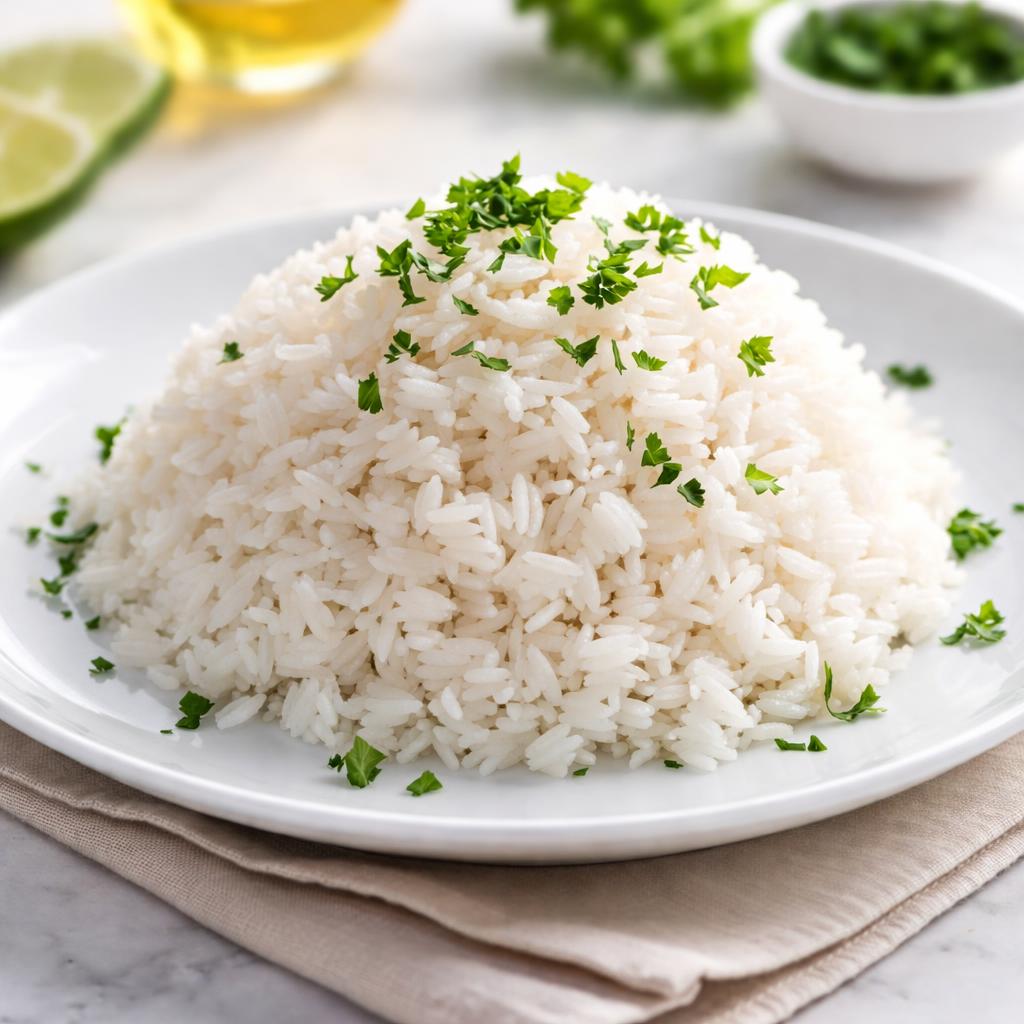
Rice
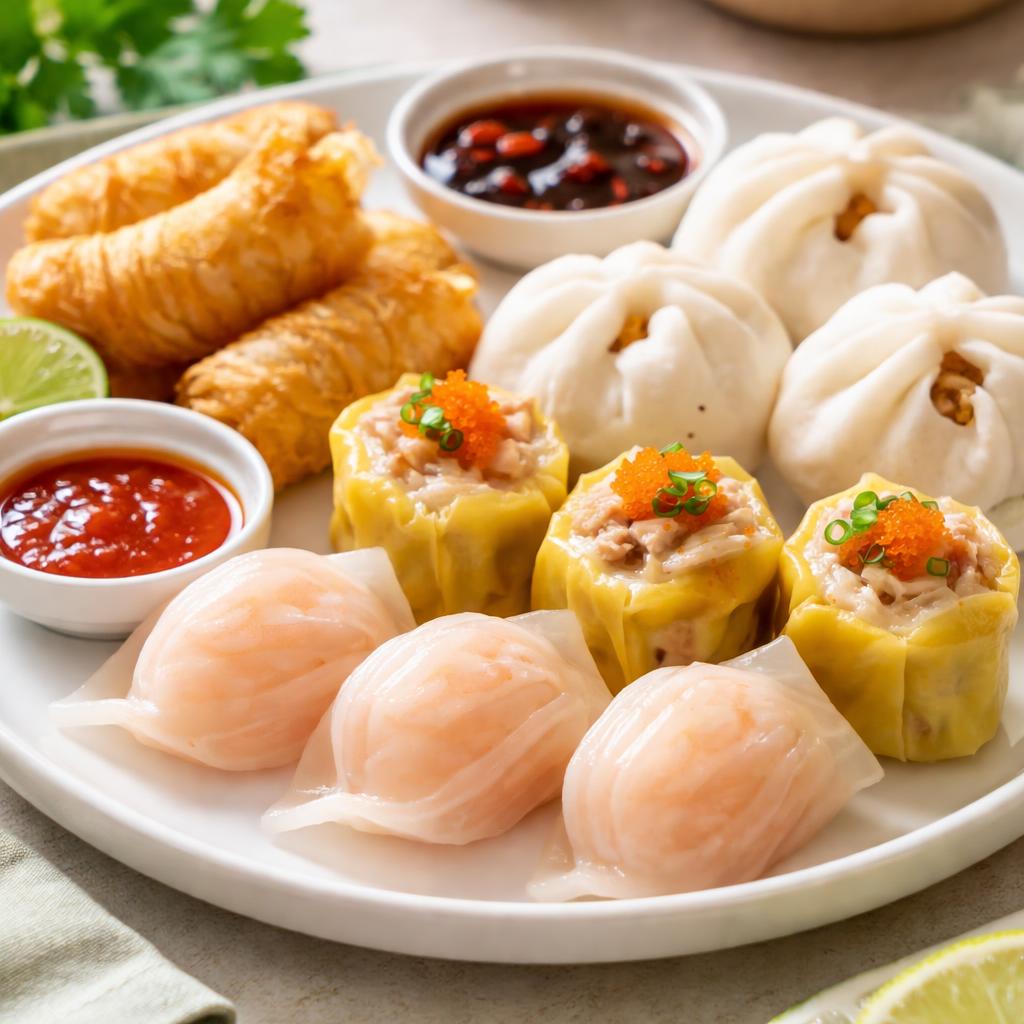
Dim Sum
🎯 Quick Verdict
Rice is lower in calories and primarily a carbohydrate source, making it a good option for energy replenishment. Dim sum offers more protein and fiber but is generally higher in calories, suitable for a more diverse nutrient profile. Best use cases depend on dietary goals like weight loss versus nutrient-dense meals.

Smart Nutrition Tracking with SnapCalorie

📊 Nutritional Comparison
Macronutrients
| Nutrient | Food 1 | Food 2 | Winner |
|---|---|---|---|
| Calories | 130 per 1 cup cooked | 210 per 4 pieces | ✓ |
| Protein | 2g | 7g | − |
| Carbs | 28g | 25g | − |
| Fat | 0g | 8g | − |
| Fiber | 0.4g | 2g | − |
Vitamins & Minerals
| Nutrient | Food 1 | Food 2 | Winner |
|---|---|---|---|
| Vitamin D | 0mcg | 1mcg | − |
| Calcium | 10mg | 25mg | − |
| Iron | 0.2mg | 1.5mg | − |
🏆 Category Winners
Protein
Dim sum contains over three times more protein than rice.
Fiber
Dim sum offers significantly more fiber to support digestion.
Calories
Rice is lower in calories by about 40%.
Vitamins
Dim sum provides higher amounts of calcium, iron, and vitamin D.
🥗 Diet Compatibility
Keto
Food 1: Not Compatible
Food 2: Not Compatible
Both foods are high in carbohydrates.
Vegan
Food 1: Compatible
Food 2: Not Compatible
Rice is plant-based, whereas dim sum often contains animal-based ingredients like pork or shrimp.
Gluten Free
Food 1: Compatible
Food 2: Not Compatible
Rice is naturally gluten-free, while dim sum wrappers often contain wheat-based flour.
Paleo
Food 1: Compatible
Food 2: Not Compatible
Rice is aligned with paleo diets, but dim sum may contain processed ingredients.
Low-Carb
Food 1: Not Compatible
Food 2: Not Compatible
Both foods contain high carbohydrate content.
💪 Health Benefits Comparison
Food 1 Benefits
- Low in calories, ideal for weight management.
- Provides quick energy through carbs.
- Gluten-free and easy on digestion.
Food 2 Benefits
- Rich in protein for muscle repair.
- Contains fiber to aid digestion.
- Source of essential vitamins and minerals like calcium and iron.
✅ The Bottom Line
Choose rice for a lower-calorie option that provides quick energy or works well in gluten-free and vegan diets. Dim sum is best when you prioritize protein, fiber, and a richer nutrient profile, although it is higher in calories and often not suitable for restrictive diets like keto or paleo.
Choose Food 1 for: Low-calorie meals, gluten-free diets, quick energy replenishment.
Choose Food 2 for: Protein-rich meals, nutrient density, and hearty snacks.


