Rice VS Dill Sauce
A detailed nutritional comparison
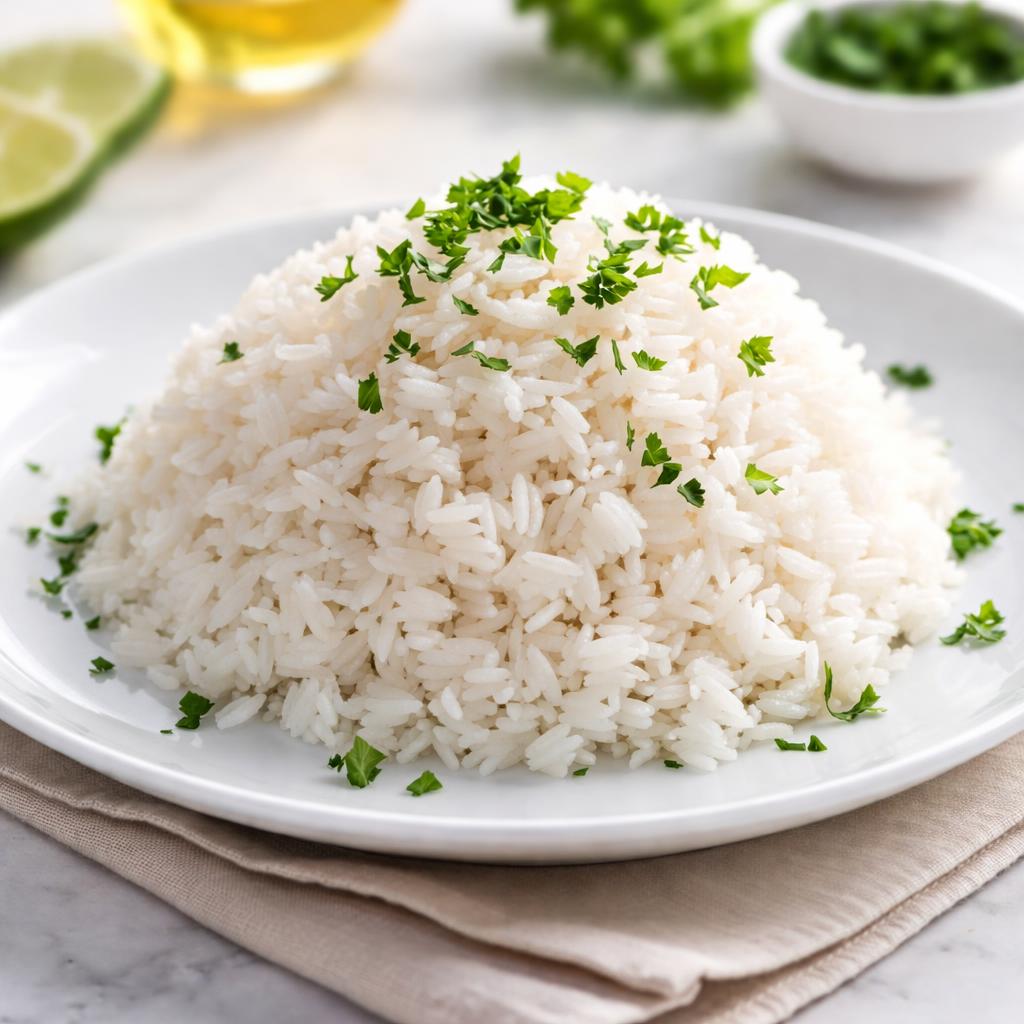
Rice
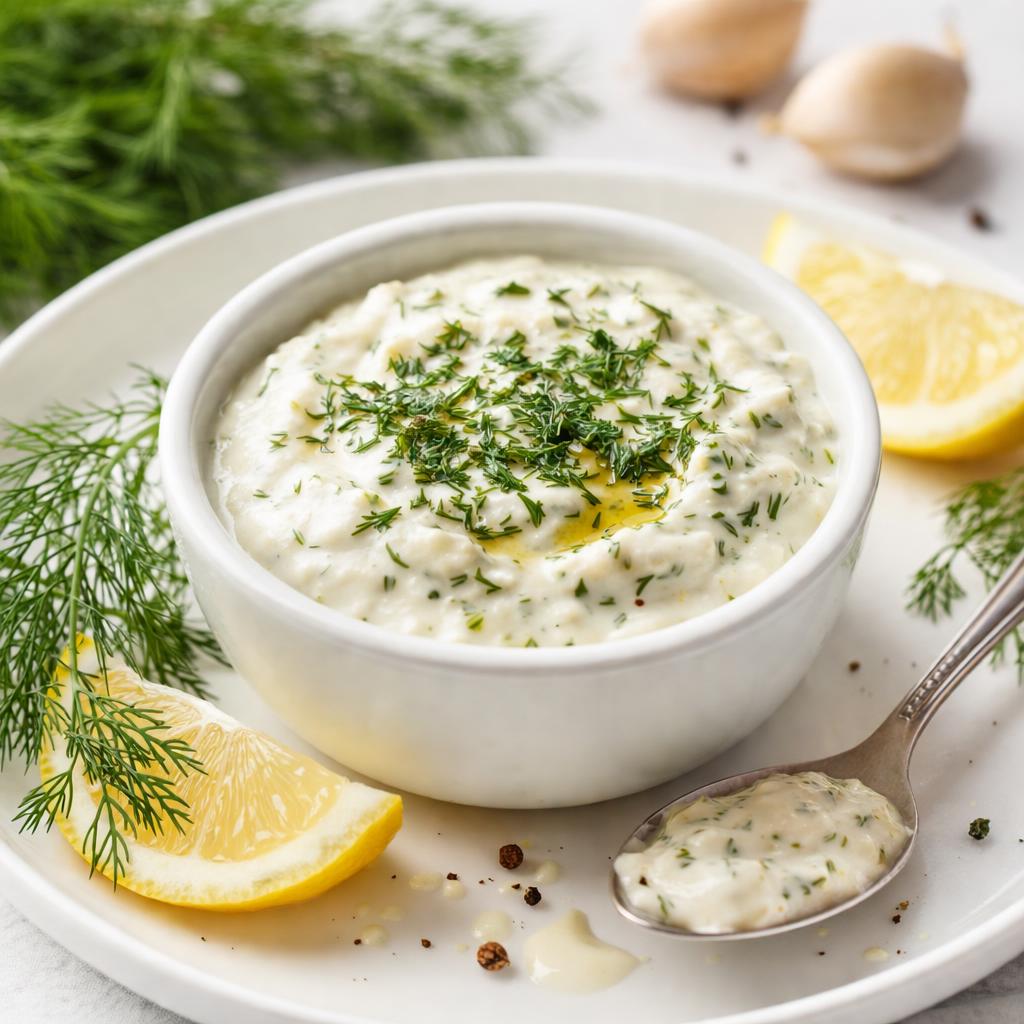
Dill Sauce
🎯 Quick Verdict
Rice and dill sauce serve very different dietary purposes. Rice provides more fiber, carbohydrates, and calories, making it a good source of sustained energy. Dill sauce, being much lower in calories, offers higher protein per serving and provides healthy fats. Pairing them together can create a balanced meal, but rice is better for energy needs while dill sauce suits lighter, high-protein meals.

Smart Nutrition Tracking with SnapCalorie

📊 Nutritional Comparison
Macronutrients
| Nutrient | Food 1 | Food 2 | Winner |
|---|---|---|---|
| Calories | 206 per cup | 50 per 2 tbsp | ✓ |
| Protein | 4.2g | 2g | ✓ |
| Carbs | 45g | 2g | ✓ |
| Fat | 0.4g | 4g | ✓ |
| Fiber | 0.6g | 0g | ✓ |
Vitamins & Minerals
| Nutrient | Food 1 | Food 2 | Winner |
|---|---|---|---|
| Vitamin D | 0mcg | 0mcg | − |
| Calcium | 15mg | 50mg | ✓ |
| Iron | 0.2mg | 0.1mg | ✓ |
🏆 Category Winners
Protein
Rice contains more overall protein due to its larger serving size.
Fiber
Rice contains dietary fiber while dill sauce does not.
Calories
Dill sauce is much lower in calories per serving compared to rice.
Vitamin D
Neither food contains Vitamin D.
Calcium
Dill sauce contains more calcium per serving.
🥗 Diet Compatibility
Keto
Food 1: Not Compatible
Food 2: Compatible
Rice is high in carbs, while dill sauce is low-carb.
Vegan
Food 1: Compatible
Food 2: Depends
Rice is vegan; dill sauce may include dairy-based ingredients.
Gluten Free
Food 1: Compatible
Food 2: Compatible
Both rice and dill sauce are naturally gluten-free.
Paleo
Food 1: Not Compatible
Food 2: Compatible
Rice is a grain and not included in paleo diets, while dill sauce is generally paleo-friendly.
Low Carb
Food 1: Not Compatible
Food 2: Compatible
Rice is high in carbs, making it unsuitable for low-carb diets.
💪 Health Benefits Comparison
Food 1 Benefits
- Provides sustained energy due to its high carbohydrate content.
- Contains small amounts of protein for muscle repair.
- Low in fat, supporting a heart-healthy diet.
Food 2 Benefits
- Rich in healthy fats that promote heart health.
- Potentially high in calcium, supporting bone health.
- Low calorie, suitable for weight loss diets.
✅ The Bottom Line
Rice is ideal for those needing sustained energy or fulfilling carbohydrate needs, while dill sauce is a good addition to low-calorie or low-carb diets. Use rice as a primary staple in meals, and dill sauce as a flavor-enhancing condiment or dip.
Choose Food 1 for: Sustained energy, workout recovery, carb-heavy diets
Choose Food 2 for: Low-calorie meals, ketogenic diets, nutrient enhancement


