Rice VS Dark Chocolate
A detailed nutritional comparison
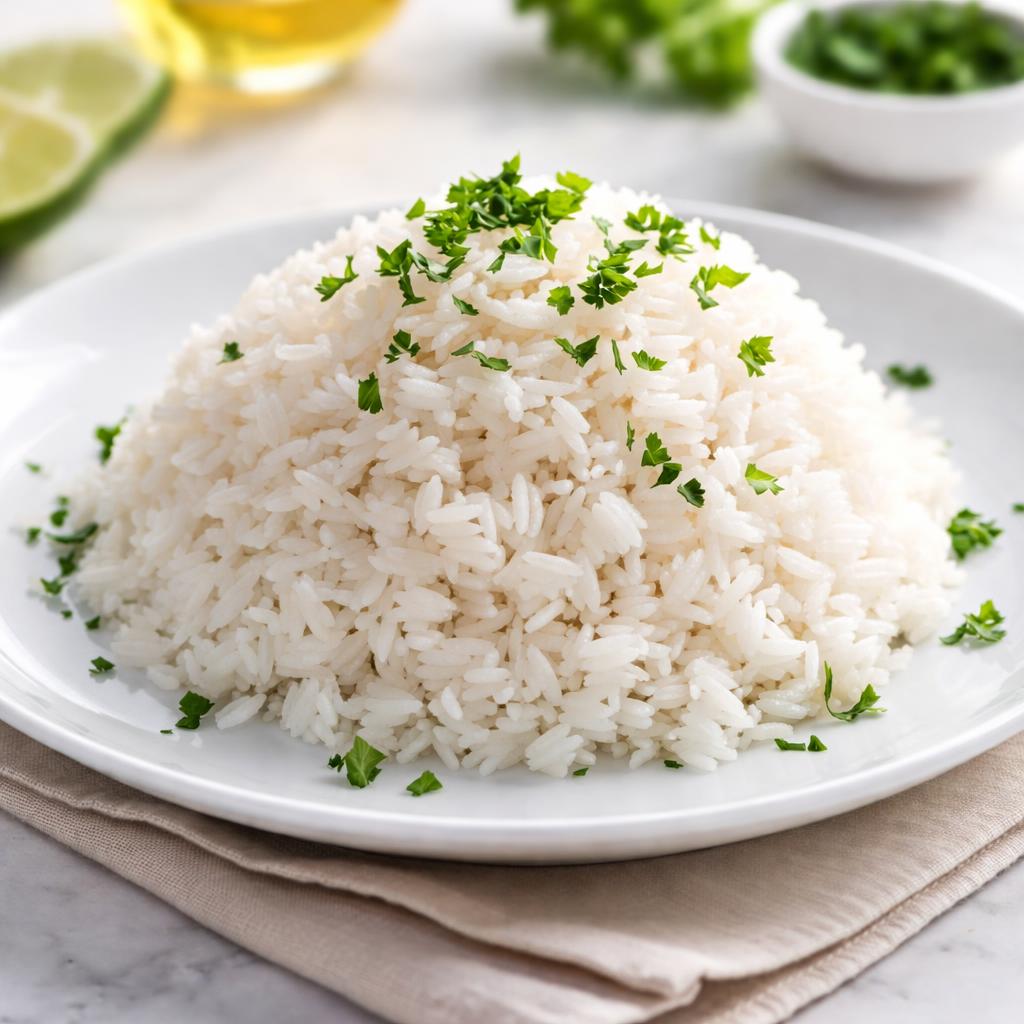
Rice
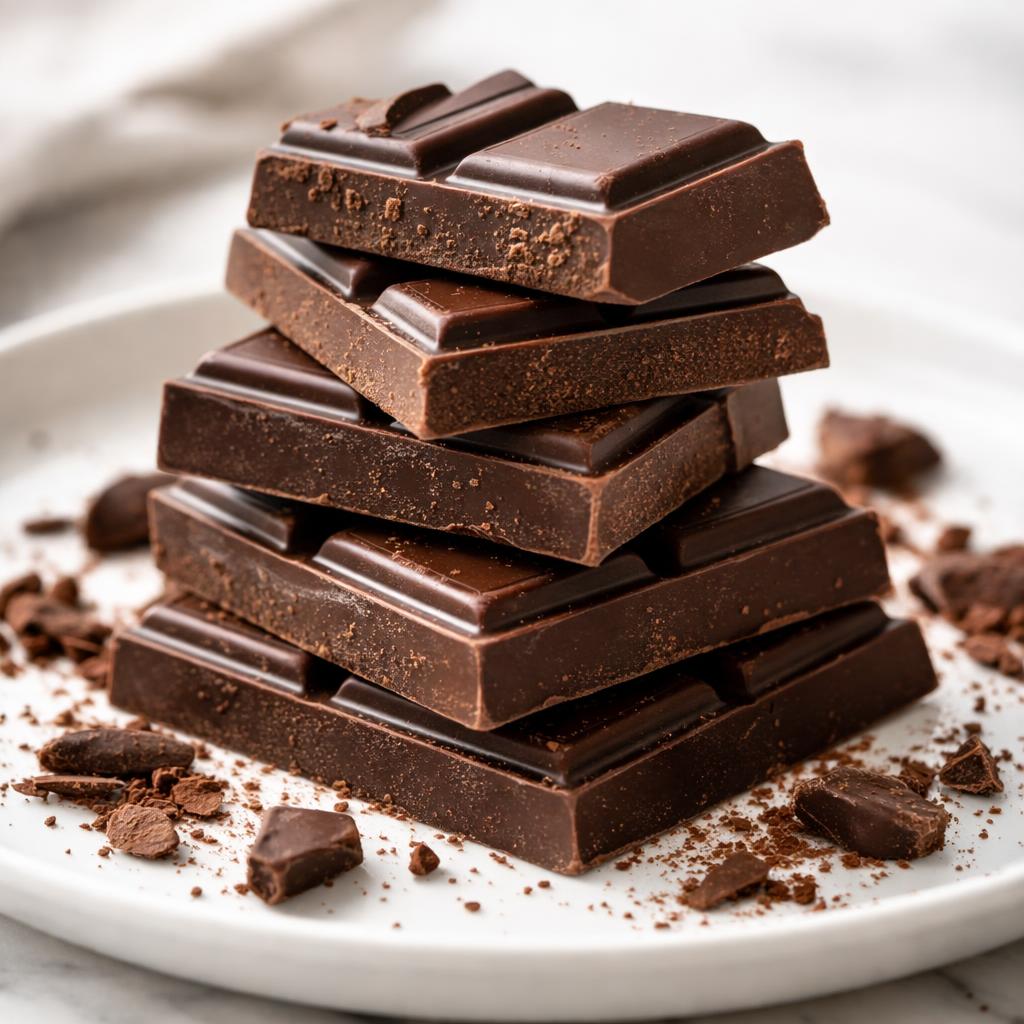
Dark Chocolate
🎯 Quick Verdict
Rice and dark chocolate differ significantly in their nutritional profiles. Rice is lower in calories, higher in protein, and better for those seeking a light carb source, while dark chocolate is richer in fiber, healthy fats, and antioxidants, making it a luxurious snack option or dessert ingredient.

Smart Nutrition Tracking with SnapCalorie

📊 Nutritional Comparison
Macronutrients
| Nutrient | Food 1 | Food 2 | Winner |
|---|---|---|---|
| Calories | 130 | 220 | − |
| Protein | 2.6g | 2g | − |
| Carbs | 28g | 25g | − |
| Fat | 0.3g | 13g | − |
| Fiber | 0.4g | 3.1g | − |
Vitamins & Minerals
| Nutrient | Food 1 | Food 2 | Winner |
|---|---|---|---|
| Vitamin D | 0mcg | 0mcg | − |
| Calcium | 10mg | 56mg | − |
| Iron | 0.2mg | 6.3mg | − |
🏆 Category Winners
Protein
Rice has slightly more protein (2.6g vs. 2g) per serving.
Fiber
Dark chocolate contains almost 8x more fiber than rice.
Calories
Rice is lower in calories per serving (130 vs. 220).
🥗 Diet Compatibility
Keto
Food 1: Not Compatible
Food 2: Compatible
Dark chocolate is higher in fat and lower in carbs, fitting keto guidelines.
Vegan
Food 1: Compatible
Food 2: Compatible
Both rice and dark chocolate are plant-based.
Gluten Free
Food 1: Compatible
Food 2: Compatible
Neither rice nor dark chocolate contains gluten.
Paleo
Food 1: Not Compatible
Food 2: Compatible
Unprocessed dark chocolate meets paleo standards, while rice does not.
Low-Carb
Food 1: Not Compatible
Food 2: Compatible
Rice is high in carbs, while dark chocolate is lower-carb.
💪 Health Benefits Comparison
Food 1 Benefits
- Low in fat and calories, supporting weight loss
- Provides quick energy from carbs
- Gentle on the stomach and easy to digest
Food 2 Benefits
- High in antioxidants to fight free radicals
- Rich in fiber to support digestion
- Contains iron and magnesium for healthy blood and heart function
- May improve mood due to its natural elements, like theobromine
✅ The Bottom Line
Choose rice for a light and digestible carb source or a base for meals like stir-fries, while dark chocolate is ideal as a nutrient-rich treat with heart-healthy fats and antioxidants. Both foods have their place depending on your dietary focus.
Choose Food 1 for: Quick energy, meals requiring a mild carb source, weight loss
Choose Food 2 for: Healthy snacking, antioxidant boost, indulgent treats


