Rice VS Cumin
A detailed nutritional comparison

Rice
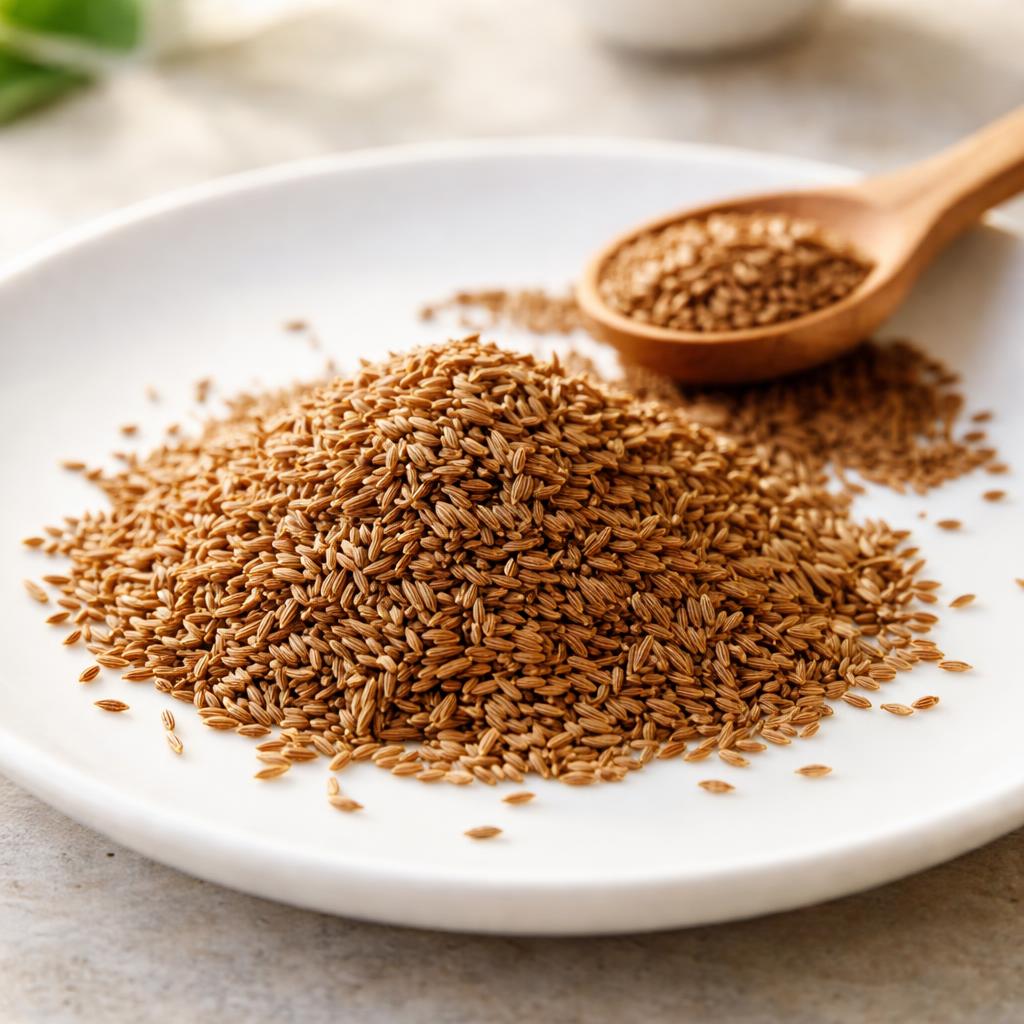
Cumin
🎯 Quick Verdict
Rice is a starchy carbohydrate source that's ideal for energy and making main dishes. Cumin, although not a staple food, shines nutritionally with higher protein, fiber, vitamins, and minerals. While rice is great for fueling workouts, cumin is better for spicing meals and enhancing overall health through antioxidants and anti-inflammatory properties.

Smart Nutrition Tracking with SnapCalorie

📊 Nutritional Comparison
Macronutrients
| Nutrient | Food 1 | Food 2 | Winner |
|---|---|---|---|
| Calories | 130 (per 100g cooked) | 375 (per 100g dry) | ✓ |
| Protein | 2.7g | 17g | ✓ |
| Carbs | 28g | 44g | ✓ |
| Fat | 0.3g | 22g | ✓ |
| Fiber | 0.4g | 10g | ✓ |
Vitamins & Minerals
| Nutrient | Food 1 | Food 2 | Winner |
|---|---|---|---|
| Vitamin A | 0mcg | 64mcg | ✓ |
| Vitamin C | 0mg | 7.7mg | ✓ |
| Calcium | 10mg | 931mg | ✓ |
| Iron | 0.2mg | 66mg | ✓ |
🏆 Category Winners
Protein
Cumin provides exceptionally high protein content compared to rice.
Fiber
Cumin contains 25x more fiber per 100g than rice.
Calories
Cooked rice has significantly fewer calories per serving compared to dry cumin.
Vitamins
Cumin is packed with vitamins and minerals such as calcium and iron, whereas rice is lacking in these.
🥗 Diet Compatibility
Keto
Food 1: Not Compatible
Food 2: Compatible
Cumin is low in carbs compared to high-carb rice.
Vegan
Food 1: Compatible
Food 2: Compatible
Both are plant-based options.
Gluten Free
Food 1: Compatible
Food 2: Compatible
Neither contains gluten.
Paleo
Food 1: Not Compatible
Food 2: Compatible
Rice isn't allowed on the paleo diet, but cumin can fit.
Low Carb
Food 1: Not Compatible
Food 2: Compatible
Cumin is a low carbohydrate food, unlike rice.
💪 Health Benefits Comparison
Food 1 Benefits
- Great source of carbohydrates for energy
- Easily digestible, suitable for sensitive stomachs
- Pairs well with protein for balanced meals
Food 2 Benefits
- Rich in antioxidants, supporting immune health
- Excellent source of minerals like iron and calcium for bone and blood support
- Anti-inflammatory properties promote overall health
✅ The Bottom Line
Choose rice for energy-boosting meals or quick digestibility, especially if you're looking for a neutral base for your dishes. Opt for cumin to enhance nutritional quality, support immunity, add fiber, and benefit from anti-inflammatory properties. They complement each other well, with rice serving as the base and cumin as the superfood spice.
Choose Food 1 for: Energy, meal bases, pre- or post-workouts
Choose Food 2 for: Health benefits, digestion support, anti-inflammatory effects, flavor enhancement


