Rice VS Crispy Onions
A detailed nutritional comparison
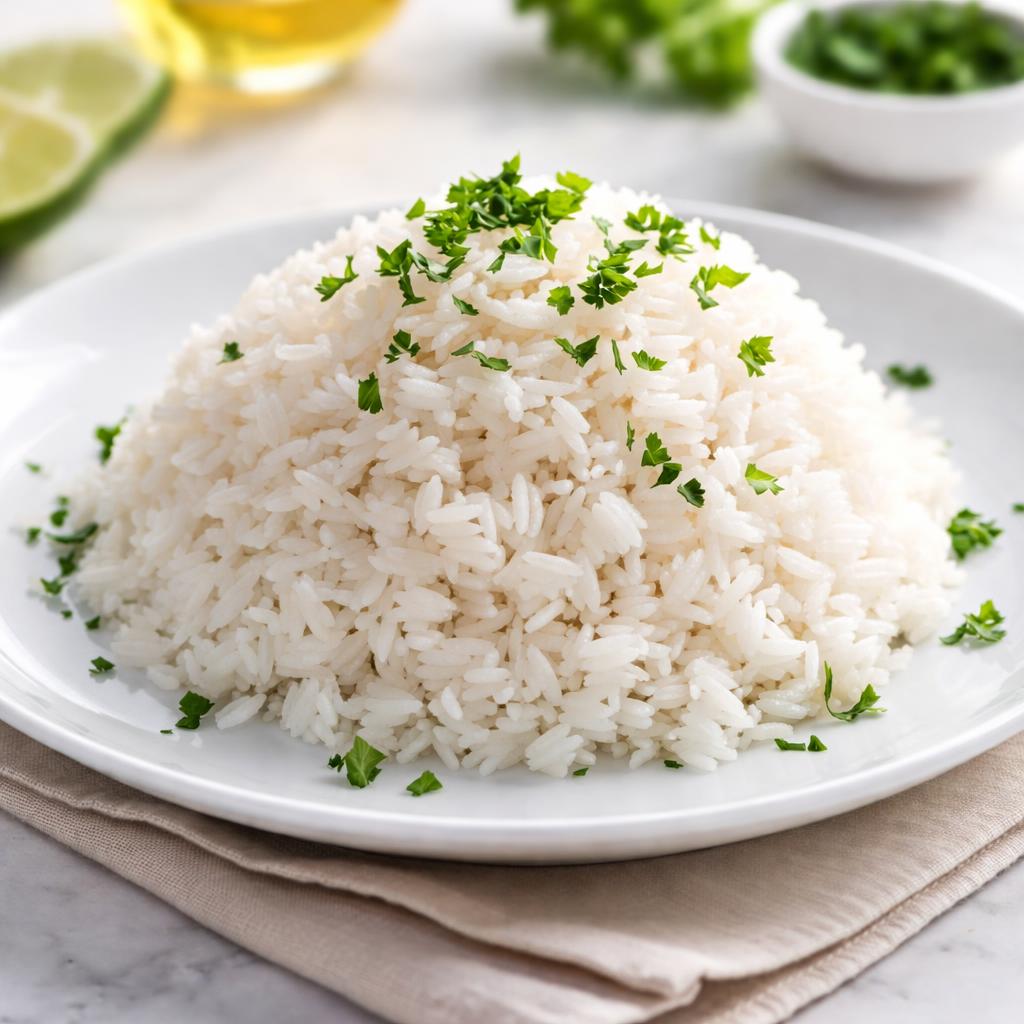
Rice
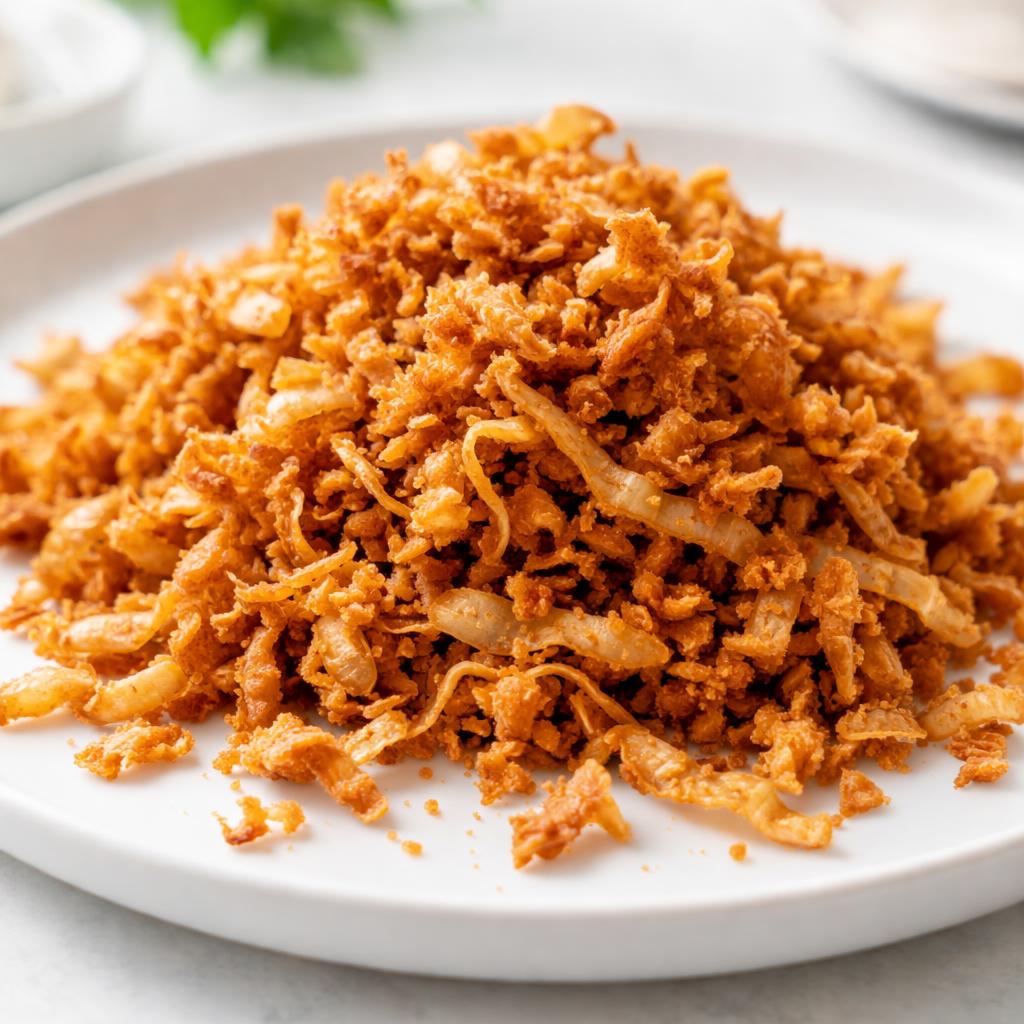
Crispy Onions
🎯 Quick Verdict
Rice and crispy onions are nutritionally distinct. Rice provides more protein, fewer calories, and is ideal for energy and satiety, while crispy onions are richer in fiber but higher in calories due to added fats. Choose rice for a staple carbohydrate option, and crispy onions as a flavorful topping or garnish in moderation.

Smart Nutrition Tracking with SnapCalorie

📊 Nutritional Comparison
Macronutrients
| Nutrient | Food 1 | Food 2 | Winner |
|---|---|---|---|
| Calories | 130 | 170 | ✓ |
| Protein | 2.7g | 1g | ✓ |
| Carbs | 28g | 15g | ✓ |
| Fat | 0.3g | 12g | ✓ |
| Fiber | 0.4g | 1.5g | ✓ |
Vitamins & Minerals
| Nutrient | Food 1 | Food 2 | Winner |
|---|---|---|---|
| Vitamin C | 0mg | 6mg | ✓ |
| Iron | 1.2mg | 0.8mg | ✓ |
| Potassium | 35mg | 100mg | ✓ |
🏆 Category Winners
Protein
Rice contains nearly three times more protein than crispy onions per serving.
Fiber
Crispy onions have almost four times the fiber content of rice.
Calories
Rice has 23% fewer calories compared to crispy onions.
Vitamins
Crispy onions are a better source of vitamin C and potassium compared to rice.
🥗 Diet Compatibility
Keto
Food 1: Not Compatible
Food 2: Not Compatible
Both foods contain a significant amount of carbs.
Vegan
Food 1: Compatible
Food 2: Compatible
Both are plant-based foods and suitable for vegans.
Gluten Free
Food 1: Compatible
Food 2: Check Label
Rice is inherently gluten-free, but crispy onions may contain added gluten depending on preparation.
Paleo
Food 1: Compatible
Food 2: Not Compatible
Rice fits within paleo diets for some variations, but crispy onions typically contain processed ingredients.
Low-Carb
Food 1: Not Compatible
Food 2: Not Compatible
Neither food is suitable for low-carb diets due to their carbohydrate content.
💪 Health Benefits Comparison
Food 1 Benefits
- Provides energy from complex carbohydrates.
- Low in fat, suitable for heart-healthy diets.
- Source of small amounts of iron for oxygen transport.
Food 2 Benefits
- Higher fiber content supports digestion.
- Contains potassium, beneficial for muscle and heart health.
- Provides antioxidants like vitamin C.
✅ The Bottom Line
Rice is better suited as a main carbohydrate source due to its protein, lower calorie content, and versatility in meals. Crispy onions are useful as a topping for flavor and texture but should be consumed sparingly due to higher fat and calorie content.
Choose Food 1 for: Staple carbohydrate, energy source, filling meals
Choose Food 2 for: Flavor enhancement, snack garnish, fiber addition


