Rice VS Crisps
A detailed nutritional comparison
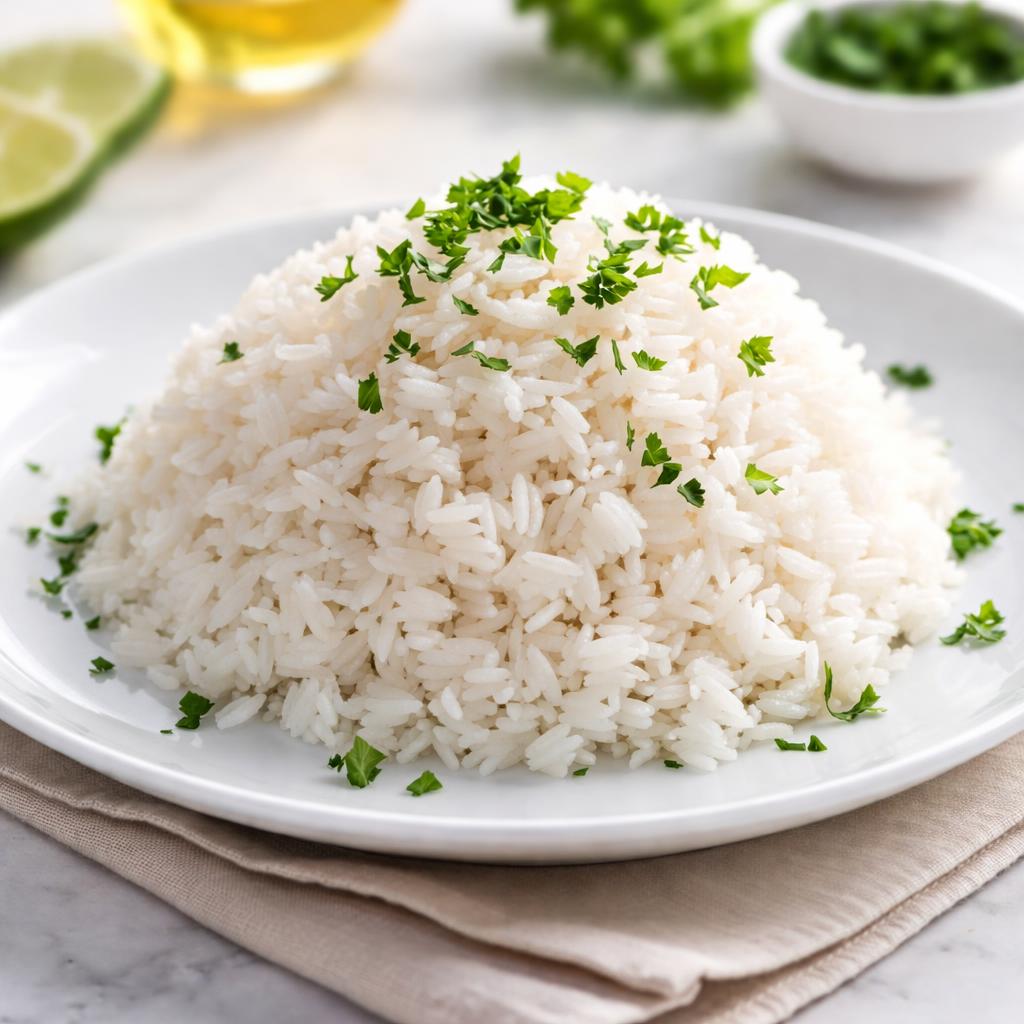
Rice
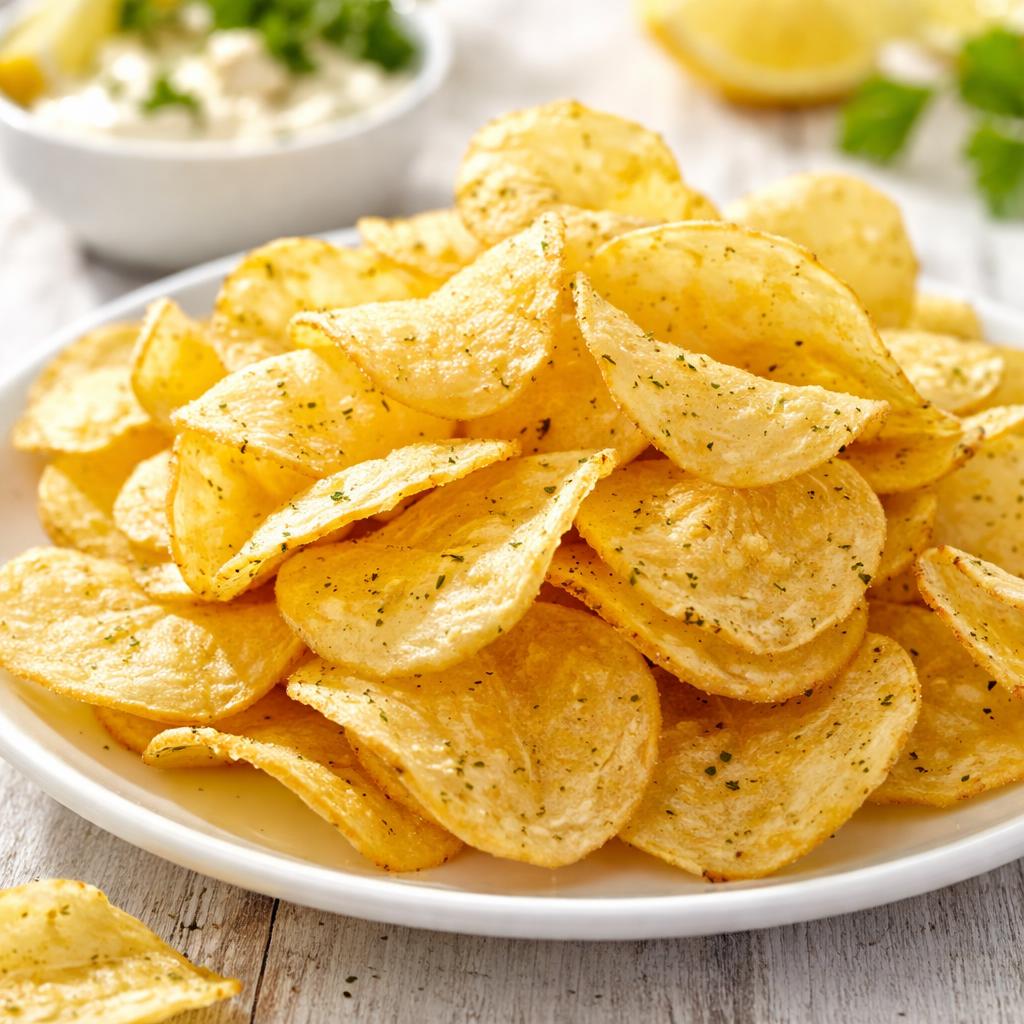
Crisps
🎯 Quick Verdict
Rice and crisps differ greatly in their nutritional profiles. Rice is lower in calories, fat, and sodium while providing more fiber and carbohydrates, making it better for sustained energy. Crisps are higher in protein and fat but lack fiber and are calorie-dense, better as an occasional snack rather than a dietary staple.

Smart Nutrition Tracking with SnapCalorie

📊 Nutritional Comparison
Macronutrients
| Nutrient | Food 1 | Food 2 | Winner |
|---|---|---|---|
| Calories | 130 per cup (cooked) | 150 per 30g serving | ✓ |
| Protein | 2g | 2.5g | ✓ |
| Carbs | 28g | 13g | ✓ |
| Fat | 0.3g | 10g | ✓ |
| Fiber | 0.5g | 0.2g | ✓ |
Vitamins & Minerals
| Nutrient | Food 1 | Food 2 | Winner |
|---|---|---|---|
| Vitamin C | 0mg | 5mg | ✓ |
| Vitamin D | 0mcg | 0mcg | − |
| Iron | 0.2mg | 0.3mg | ✓ |
| Sodium | 1mg | 170mg | ✓ |
🏆 Category Winners
Protein
Crisps have slightly higher protein (2.5g vs 2g per serving).
Fiber
Rice contains more fiber to aid digestion.
Calories
Rice is less calorie-dense, with 130 calories per cup vs 150 calories per serving of crisps.
Vitamins
Crisps provide some Vitamin C and iron, whereas rice lacks these entirely.
🥗 Diet Compatibility
Keto
Food 1: Not Compatible
Food 2: Not Compatible
Both are high in carbs and not suitable for keto.
Vegan
Food 1: Compatible
Food 2: Compatible
Both are plant-based foods.
Gluten Free
Food 1: Compatible
Food 2: Might Be Compatible
Rice is naturally gluten-free, but crisps may contain hidden gluten from flavorings.
Paleo
Food 1: Compatible
Food 2: Not Compatible
Rice fits in a paleo diet; crisps are considered processed and do not.
Low-Carb
Food 1: Not Compatible
Food 2: Not Compatible
Both foods contain a significant amount of carbohydrates.
💪 Health Benefits Comparison
Food 1 Benefits
- Provides sustained energy from complex carbs
- Low in sodium, supporting heart health
- Naturally gluten-free and easy to digest
Food 2 Benefits
- Convenient snack with moderate protein content
- Contains some vitamins such as Vitamin C
- Provides quick energy for short-term boost
✅ The Bottom Line
Rice is better suited as a staple food due to its sustained energy and lower fat content, making it ideal for meals. Crisps are a convenient snack but should be enjoyed sparingly due to their high fat, sodium, and calorie content.
Choose Food 1 for: Main meals, sustained energy, digestion
Choose Food 2 for: Occasional snacks, quick energy, variety in flavor


