Rice VS Cranberry
A detailed nutritional comparison
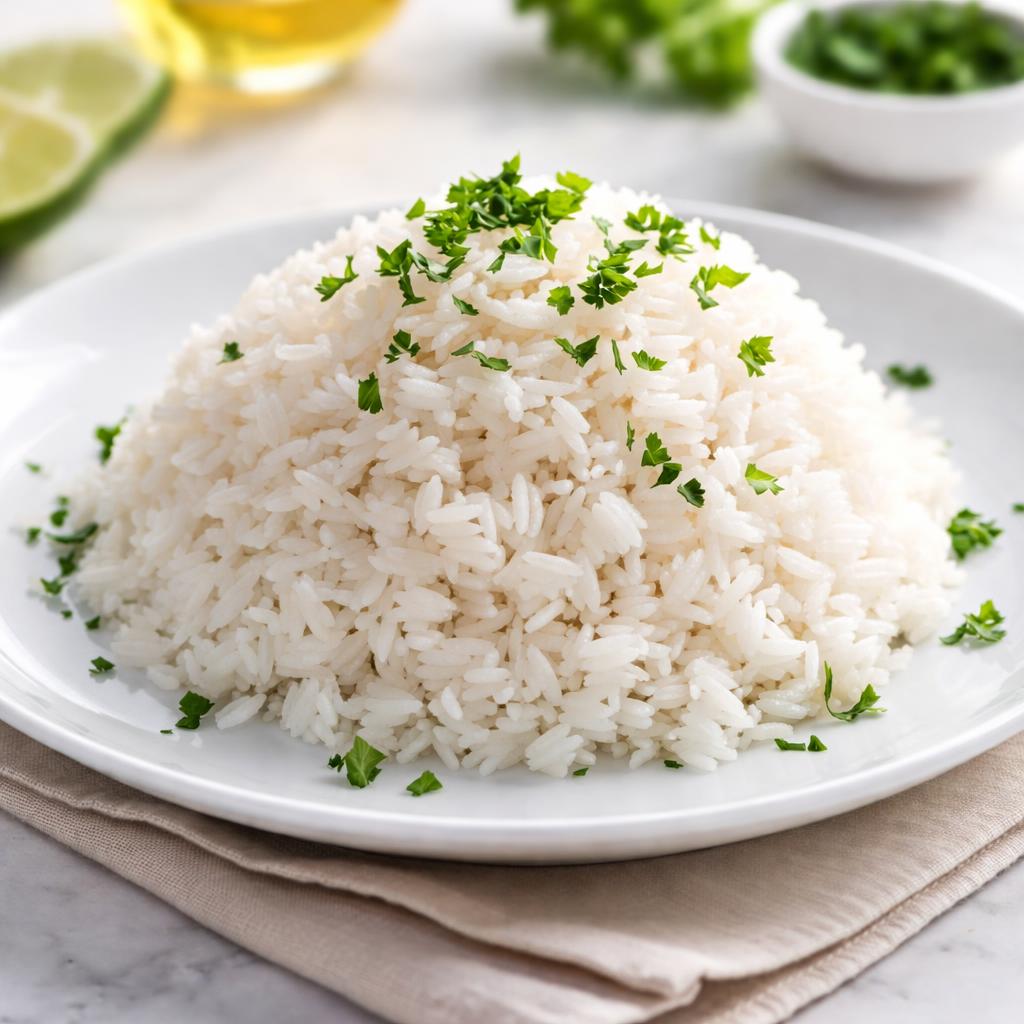
Rice
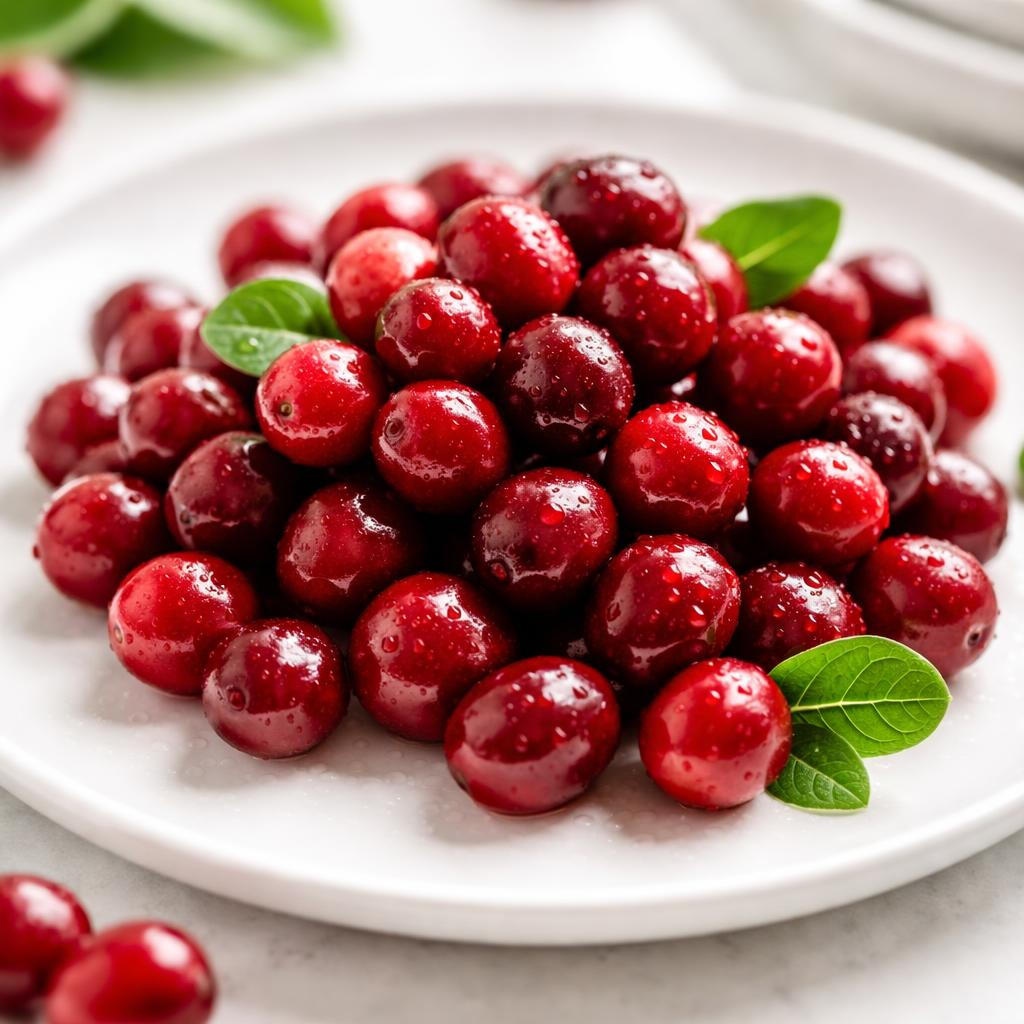
Cranberry
🎯 Quick Verdict
Rice is higher in calories, protein, and carbohydrates, making it a staple energy source, while cranberries excel in fiber and antioxidants, making them better for digestive and heart health. Rice suits high-energy diets, while cranberries are ideal for snacking or adding flavor to meals with nutritional benefits.

Smart Nutrition Tracking with SnapCalorie

📊 Nutritional Comparison
Macronutrients
| Nutrient | Food 1 | Food 2 | Winner |
|---|---|---|---|
| Calories | 130 | 50 | − |
| Protein | 2.7g | 0.4g | − |
| Carbs | 28.2g | 13.2g | − |
| Fat | 0.3g | 0.1g | − |
| Fiber | 0.4g | 3.6g | − |
Vitamins & Minerals
| Nutrient | Food 1 | Food 2 | Winner |
|---|---|---|---|
| Vitamin C | 0mg | 14mg | − |
| Vitamin D | 0mcg | 0mcg | − |
| Calcium | 10mg | 7mg | − |
| Iron | 0.2mg | 0.3mg | − |
🏆 Category Winners
Protein
Rice has nearly 6 times more protein per serving compared to cranberries.
Fiber
Cranberries contain significantly higher fiber, ideal for digestive health.
Calories
Rice offers a higher calorie count, better for energy replenishment.
Vitamins
Cranberries excel in Vitamin C and antioxidant content, boosting immunity.
🥗 Diet Compatibility
Keto
Food 1: Not Compatible
Food 2: Not Compatible
Both foods are high in carbohydrates.
Vegan
Food 1: Compatible
Food 2: Compatible
Both rice and cranberries are plant-based foods.
Gluten Free
Food 1: Compatible
Food 2: Compatible
Neither rice nor cranberries contain gluten.
Paleo
Food 1: Compatible
Food 2: Compatible
Both are unprocessed and compatible with paleo standards.
Low Carb
Food 1: Not Compatible
Food 2: Not Compatible
Both foods have a moderate to high carbohydrate content per serving.
💪 Health Benefits Comparison
Food 1 Benefits
- Excellent source of carbohydrates for energy
- Low in fat, making it heart-healthy
- Minimal protein content that complements high-protein diets
Food 2 Benefits
- High antioxidant content for reducing inflammation
- Rich in fiber for improved digestion and gut health
- Good source of Vitamin C for immune system support
✅ The Bottom Line
Rice is an excellent choice for energy and carbohydrate needs, making it perfect for meals requiring sustained energy. Cranberries, on the other hand, are packed with fiber and antioxidants, ideal for boosting digestive and immune health. Choose based on your dietary goals.
Choose Food 1 for: High-energy meals, post-workout recovery, carbohydrate-focused diets
Choose Food 2 for: Snack foods, immune system boost, digestive health


