Rice VS Corn Thins
A detailed nutritional comparison
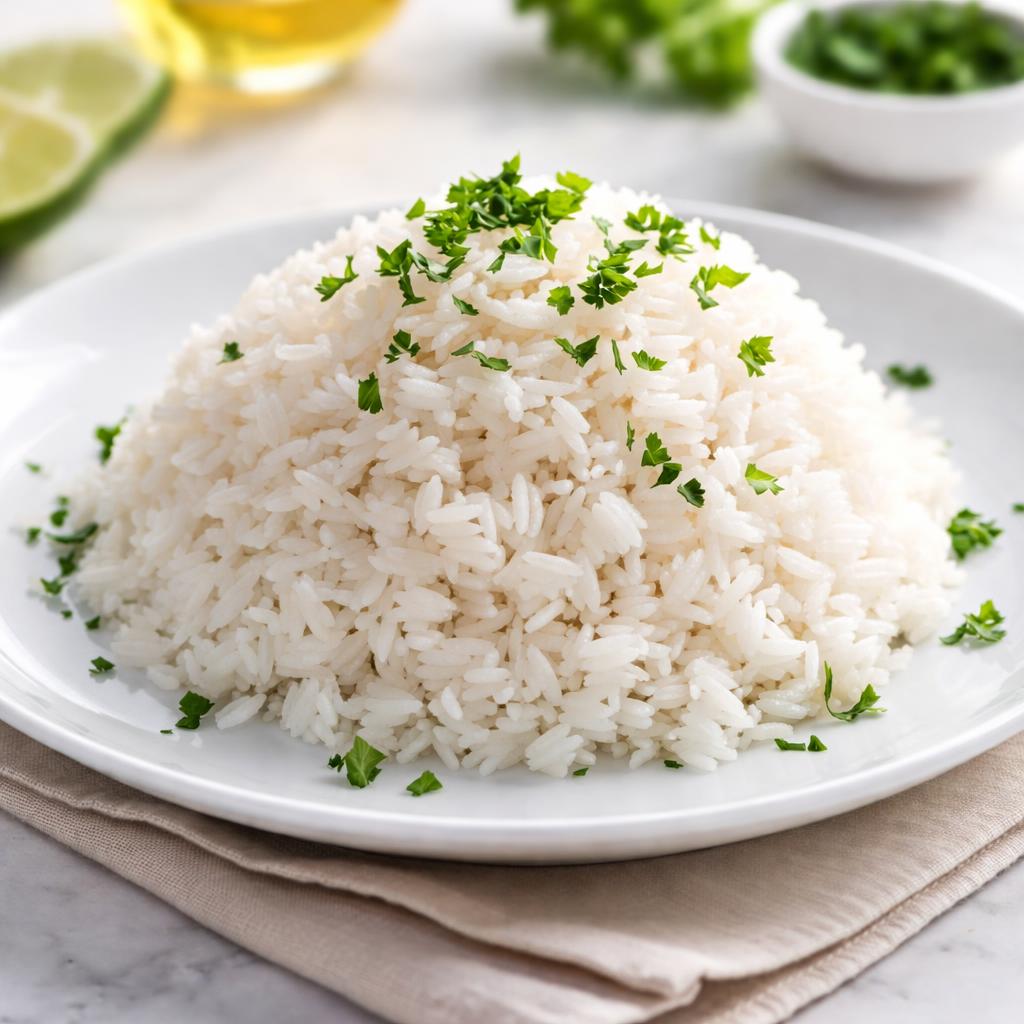
Rice
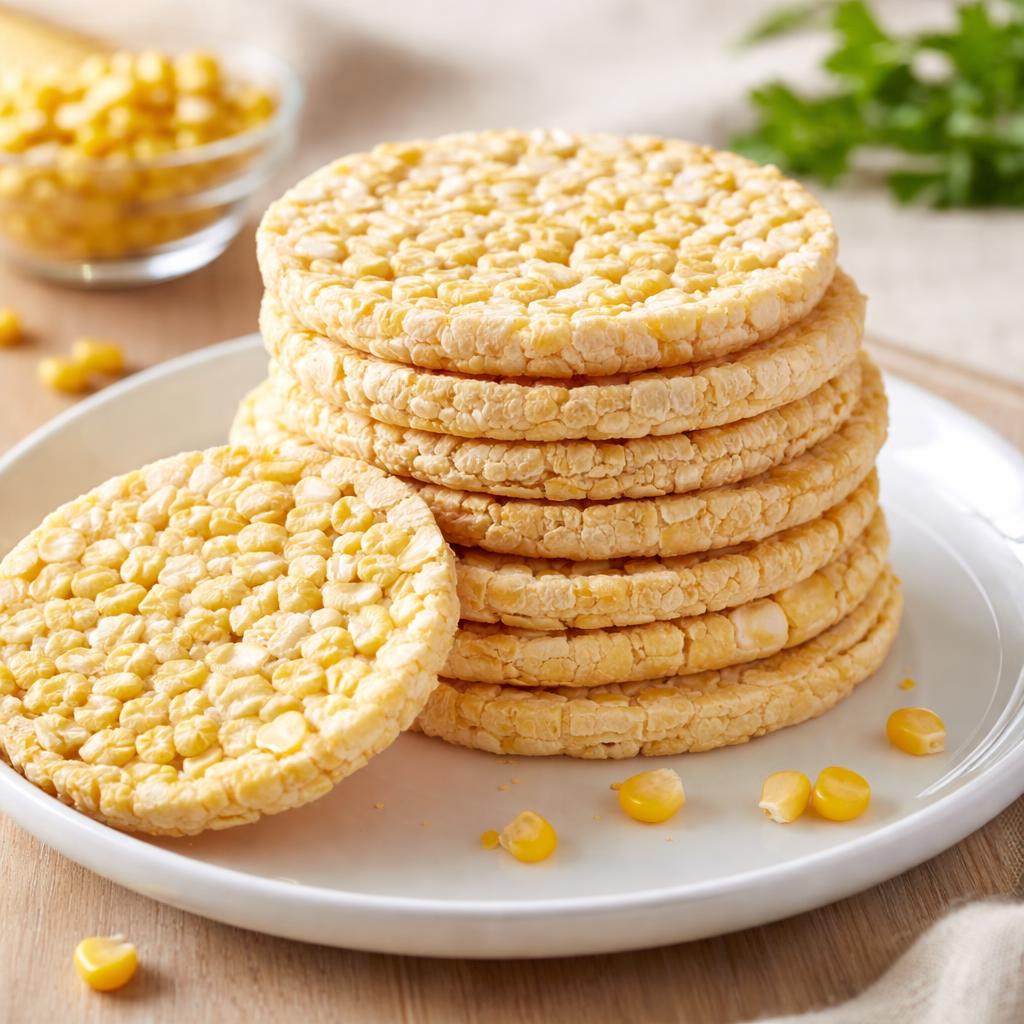
Corn Thins
🎯 Quick Verdict
Corn thins outshine rice in several nutritional aspects, offering more protein and fiber, and fewer calories per serving. Rice, however, provides more carbohydrates, making it a better option for energy-intensive activities. Corn thins are ideal for low-calorie or high-fiber diets, while rice suits those with higher carb needs for sustained energy or physical activity.

Smart Nutrition Tracking with SnapCalorie

📊 Nutritional Comparison
Macronutrients
| Nutrient | Food 1 | Food 2 | Winner |
|---|---|---|---|
| Calories | 130 per 1 cup cooked (186g) | 40 per 2 thins (16g) | − |
| Protein | 2.7g | 1.4g | − |
| Carbs | 28g | 8g | − |
| Fat | 0.3g | 0.2g | − |
| Fiber | 0.4g | 1g | − |
Vitamins & Minerals
| Nutrient | Food 1 | Food 2 | Winner |
|---|---|---|---|
| Vitamin C | 0mg | 0mg | − |
| Iron | 0.2mg | 0.3mg | − |
| Zinc | 0.6mg | 0.2mg | − |
| Magnesium | 13mg | 5mg | − |
🏆 Category Winners
Protein
Rice provides 1.3g more protein per serving compared to corn thins.
Fiber
Corn thins offer 150% more fiber per comparable serving size.
Calories
Corn thins have significantly fewer calories per serving (40 vs 130).
Vitamins
Corn thins contain more iron, while rice is richer in zinc and magnesium.
🥗 Diet Compatibility
Keto
Food 1: Not Compatible
Food 2: Not Compatible
Both foods are high in carbs, exceeding keto-friendly limits.
Vegan
Food 1: Compatible
Food 2: Compatible
Neither food contains animal products.
Gluten Free
Food 1: Compatible
Food 2: Compatible
Both rice and corn thins are naturally gluten-free.
Paleo
Food 1: Compatible
Food 2: Compatible
Both foods align with the paleo diet guidelines.
Low-Carb
Food 1: Not Compatible
Food 2: Not Compatible
Both foods contain a high amount of carbohydrates.
💪 Health Benefits Comparison
Food 1 Benefits
- Provides sustained energy due to high carbohydrate content
- Low-fat option for heart health
- Contains magnesium for muscle and nerve function
Food 2 Benefits
- Low-calorie snack for weight management
- Offers some dietary fiber for digestive health
- Gluten-free and suitable for celiac diets
✅ The Bottom Line
Choose rice for higher energy needs, such as before workouts or during carb-focused meals. Opt for corn thins as a low-calorie, high-fiber snack that fits into weight management or general snacking routines.
Choose Food 1 for: Sustained energy, carb-loading, post-workout meals
Choose Food 2 for: Weight management, light snacks, high-fiber diets


