Rice VS Corn On Cob
A detailed nutritional comparison
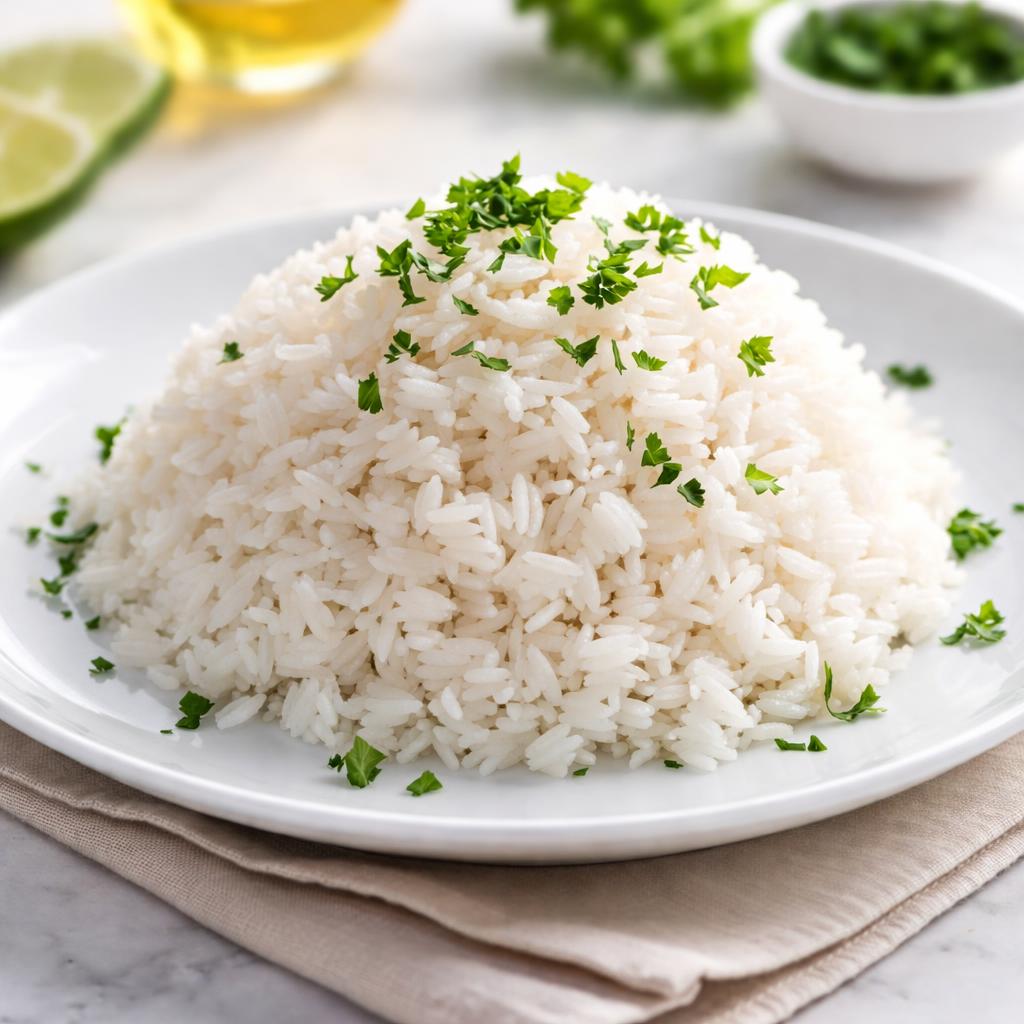
Rice
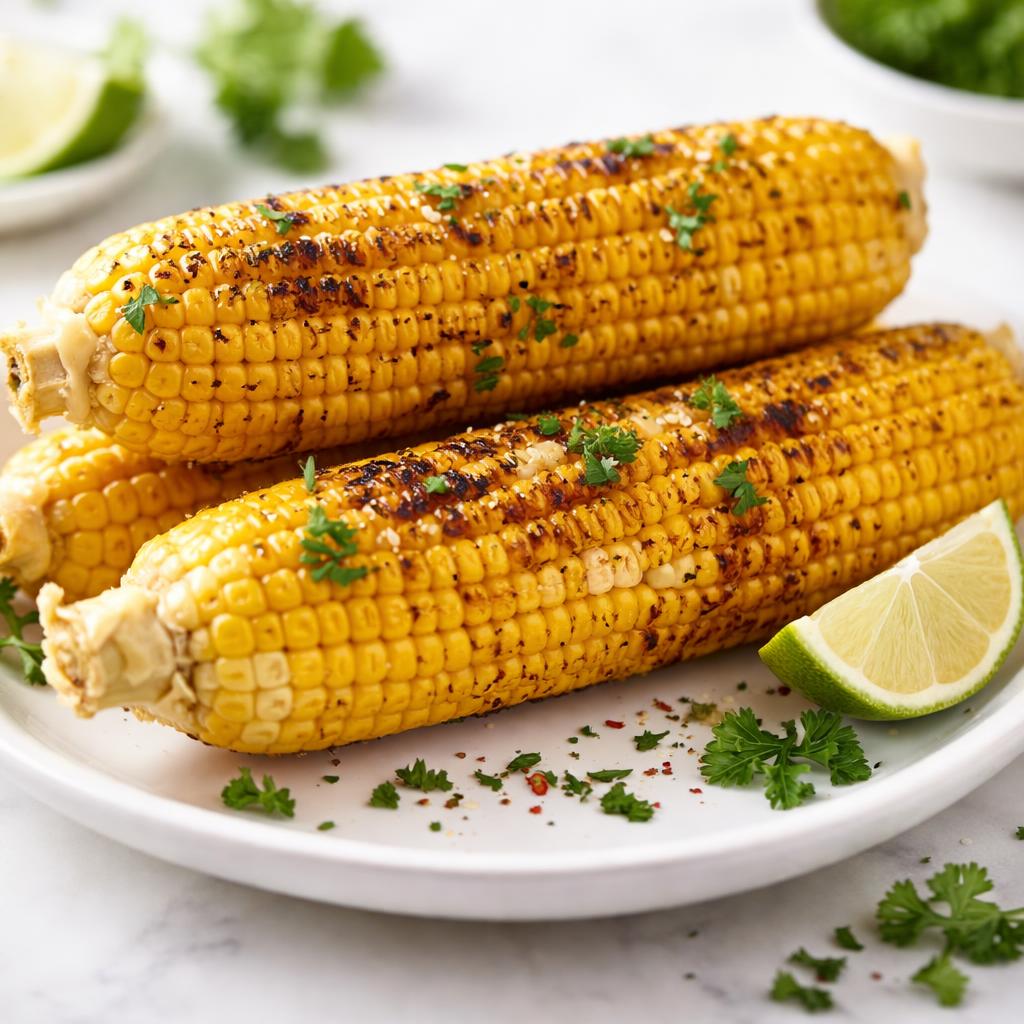
Corn On Cob
🎯 Quick Verdict
Corn on the cob is richer in fiber, vitamin C, and overall nutrient density, making it a better option for digestive health and antioxidants. Rice, on the other hand, provides more protein per serving and fewer calories, making it a better choice for controlled energy intake and muscle maintenance. Both are gluten-free and vegan-friendly, but rice is more compatible with low-carb diets due to its customizable portion sizes.

Smart Nutrition Tracking with SnapCalorie

📊 Nutritional Comparison
Macronutrients
| Nutrient | Food 1 | Food 2 | Winner |
|---|---|---|---|
| Calories | 130 kcal (1 cup cooked) | 155 kcal (1 medium ear) | ✓ |
| Protein | 2.7g | 2.3g | ✓ |
| Carbs | 28g | 35g | ✓ |
| Fat | 0.3g | 1g | ✓ |
| Fiber | 0.6g | 2.7g | ✓ |
Vitamins & Minerals
| Nutrient | Food 1 | Food 2 | Winner |
|---|---|---|---|
| Vitamin D | 0mcg | 0mcg | − |
| Calcium | 10mg | 2mg | ✓ |
| Iron | 0.2mg | 0.5mg | ✓ |
| Vitamin C | 0mg | 6.8mg | ✓ |
🏆 Category Winners
Protein
Rice has roughly 17% more protein compared to corn per serving.
Fiber
Corn has over four times the amount of dietary fiber per serving, aiding digestion.
Calories
Rice is lower in calories, making it better suited for weight control.
Vitamins
Corn is rich in vitamin C and iron compared to rice, enhancing overall micronutrient density.
🥗 Diet Compatibility
Keto
Food 1: Not Compatible
Food 2: Not Compatible
Neither food is low enough in carbohydrates for keto diets.
Vegan
Food 1: Compatible
Food 2: Compatible
Both are plant-based foods and align with vegan diets.
Gluten Free
Food 1: Compatible
Food 2: Compatible
Both foods are naturally gluten-free.
Paleo
Food 1: Not Compatible
Food 2: Compatible
Corn aligns with paleo guidelines, while rice does not.
Low Carb
Food 1: Partially Compatible
Food 2: Not Compatible
Rice can be portioned for moderate-carb diets; corn has higher carb counts per serving.
💪 Health Benefits Comparison
Food 1 Benefits
- Provides steady carbohydrates for sustained energy
- Low in fat, making it heart-healthy
- Gluten-free and easy to digest
Food 2 Benefits
- High in fiber, promoting digestive wellness
- Rich in vitamin C for immune support
- Contains antioxidants beneficial for overall health
✅ The Bottom Line
Rice is best for those managing calorie and carb intake while seeking a source of protein, making it ideal for controlled energy release and post-workout meals. Corn on the cob offers more micronutrients, fiber, and antioxidants, making it a heart-healthy and nutrient-dense choice. Both have merit depending on your dietary goals.
Choose Food 1 for: Low-calorie diets, energy-controlled meals, muscle maintenance
Choose Food 2 for: Digestive health, antioxidant-rich diets, heart health


