Rice VS Corn Cob
A detailed nutritional comparison
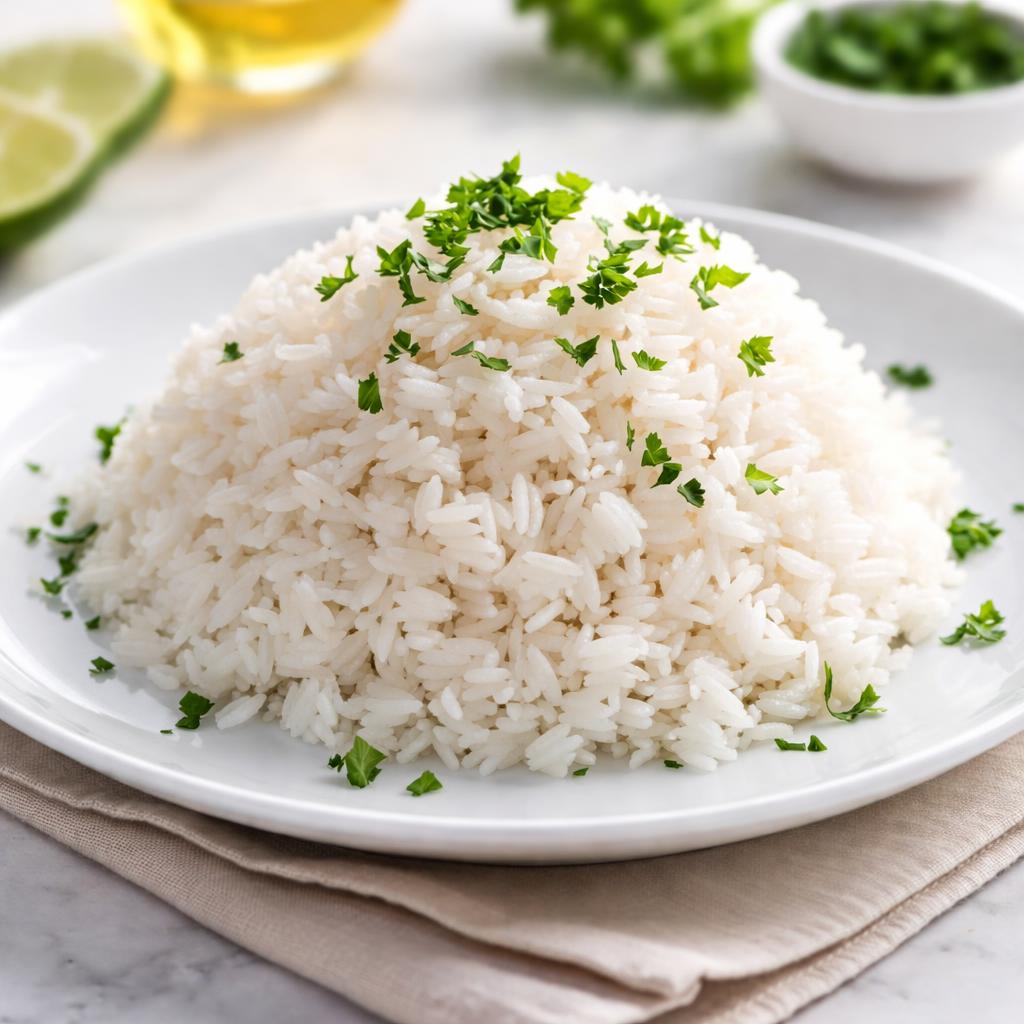
Rice

Corn Cob
🎯 Quick Verdict
Corn cob is generally lower in calories and richer in fiber compared to rice, making it better for digestion and weight management. Rice, on the other hand, provides slightly more carbohydrates, making it a good energy source. Both are low in protein, so pairing them with higher-protein foods is advisable. Corn cob wins overall for its greater nutrient density and lower caloric impact.
Smart Nutrition Tracking with SnapCalorie
📊 Nutritional Comparison
Macronutrients
| Nutrient | Food 1 | Food 2 | Winner |
|---|---|---|---|
| Calories | 130 per 100g | 86 per 100g | ✓ |
| Protein | 2.7g per 100g | 2.9g per 100g | − |
| Carbohydrates | 28g per 100g | 19g per 100g | ✓ |
| Fat | 0.3g per 100g | 1.4g per 100g | ✓ |
| Fiber | 0.4g per 100g | 2.7g per 100g | ✓ |
Vitamins & Minerals
| Nutrient | Food 1 | Food 2 | Winner |
|---|---|---|---|
| Vitamin C | 0mg | 6.8mg per 100g | ✓ |
| Vitamin A | 0IU | 1017IU per 100g | ✓ |
| Iron | 0.2mg per 100g | 0.5mg per 100g | ✓ |
🏆 Category Winners
Protein
Both foods provide a similar low amount of protein.
Fiber
Corn cob offers significantly more fiber, aiding digestion.
Calories
Corn cob has 34% fewer calories per serving.
Vitamins
Corn cob contains Vitamin A, Vitamin C, and more Iron than rice.
🥗 Diet Compatibility
Keto
Food 1: Not Compatible
Food 2: Not Compatible
Both foods are high-carb and not suitable for keto diets.
Vegan
Food 1: Compatible
Food 2: Compatible
Both foods are plant-based and work for vegan diets.
Gluten Free
Food 1: Compatible
Food 2: Compatible
Neither rice nor corn cob contains gluten.
Paleo
Food 1: Compatible
Food 2: Compatible
Both are allowed in paleo diets.
Low-Carb
Food 1: Not Compatible
Food 2: Not Compatible
Both foods have over 15g of carbohydrates per 100g.
💪 Health Benefits Comparison
Food 1 Benefits
- Good source of quick energy from carbohydrates
- Low in fat, suitable for low-fat diets
- Gluten-free, making it safe for those with gluten sensitivities
Food 2 Benefits
- Rich in dietary fiber, promotes healthy digestion
- Vitamin A supports eyesight and skin health
- Contains antioxidants like Vitamin C for immune protection
✅ The Bottom Line
Choose corn cob for weight management, better digestion, and enhanced vitamin intake. Choose rice when looking for a quick energy source or low-fat option.
Choose Food 1 for: High-energy diets, gluten-free dishes, simple carbohydrate meals
Choose Food 2 for: Weight loss, higher vitamin intake, digestive health