Rice VS Chowder
A detailed nutritional comparison
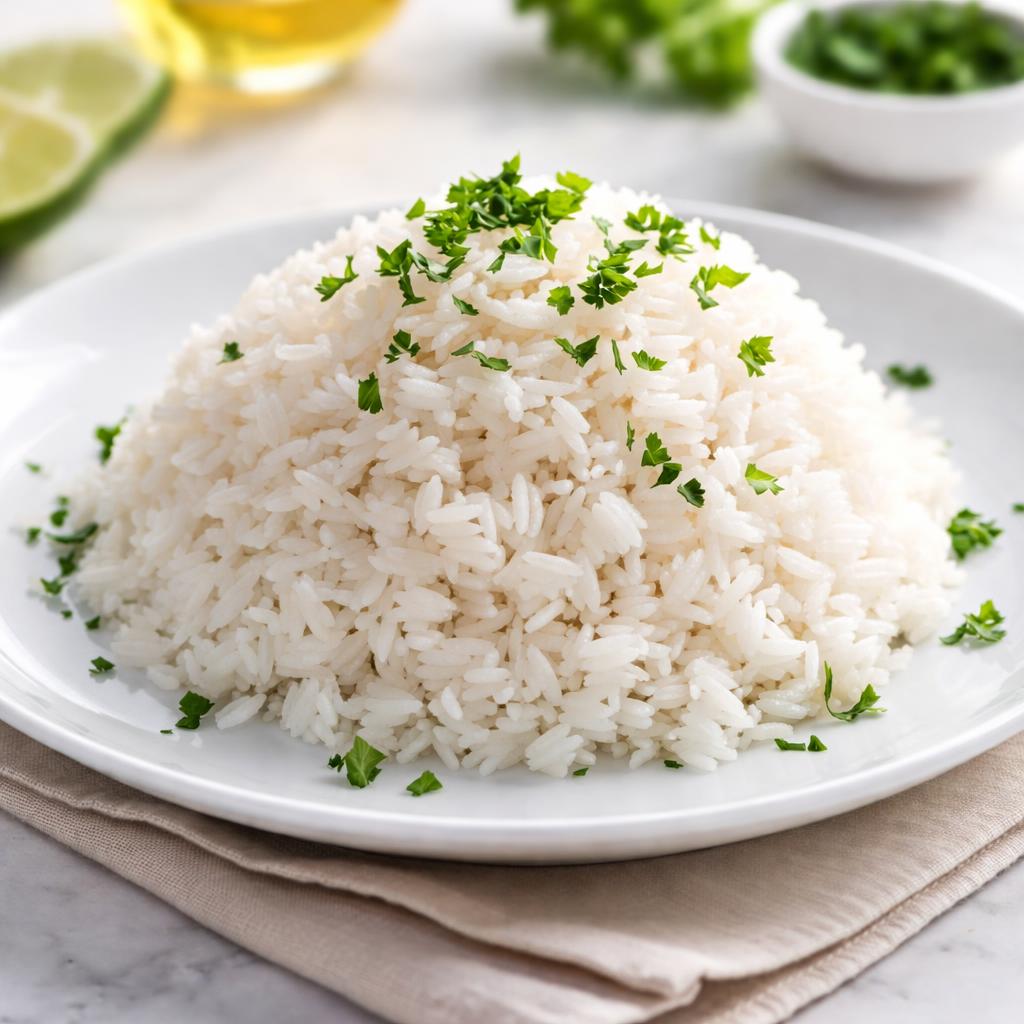
Rice
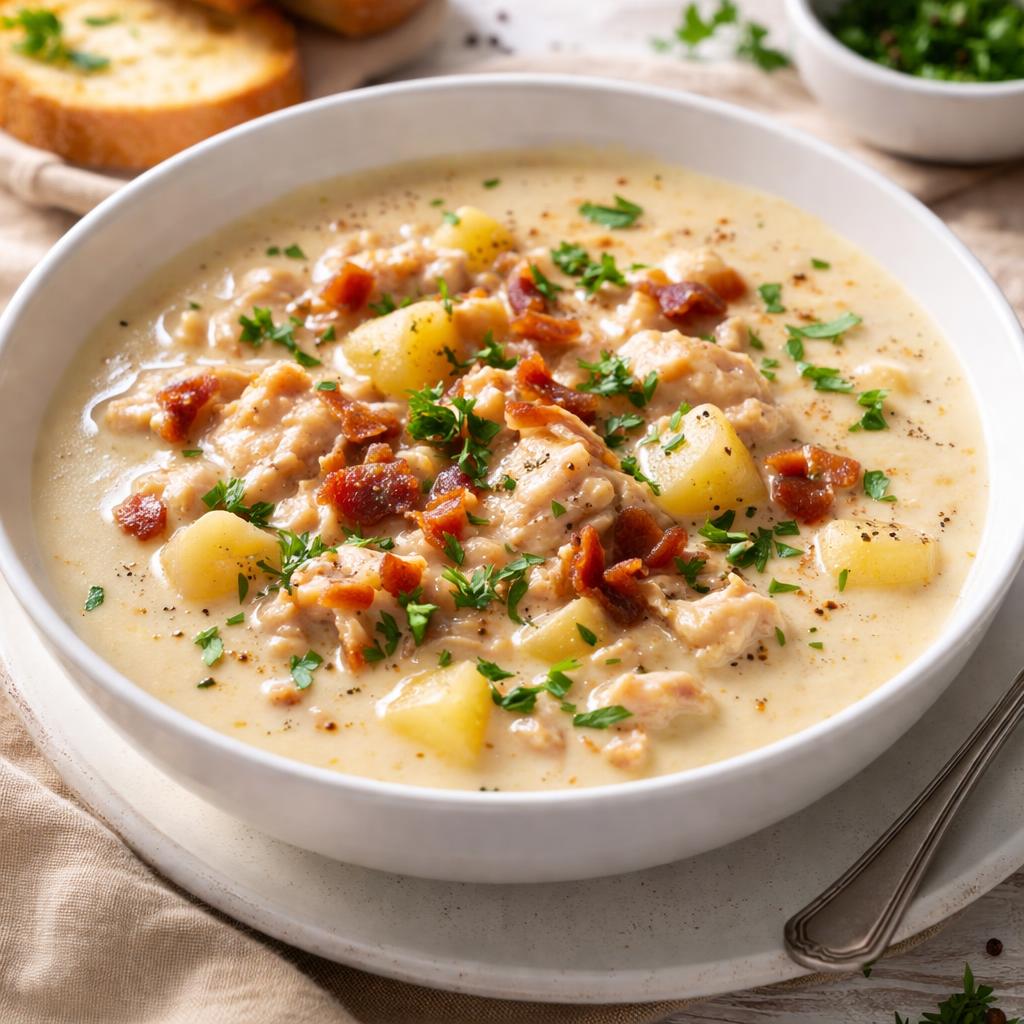
Chowder
🎯 Quick Verdict
Rice is a lower-calorie option and provides slightly more fiber, making it good for weight management and digestion. Chowder, on the other hand, delivers more protein and additional vitamins like Vitamin D, making it ideal for overall nutrient density and satiation. Each has distinct uses depending on dietary goals and preferences.

Smart Nutrition Tracking with SnapCalorie

📊 Nutritional Comparison
Macronutrients
| Nutrient | Food 1 | Food 2 | Winner |
|---|---|---|---|
| Calories | 130 per cup | 200 per cup | − |
| Protein | 2.7g per cup | 10g per cup | − |
| Carbs | 28g per cup | 18g per cup | − |
| Fat | 0.3g per cup | 8g per cup | − |
| Fiber | 0.6g per cup | 0.3g per cup | − |
Vitamins & Minerals
| Nutrient | Food 1 | Food 2 | Winner |
|---|---|---|---|
| Vitamin D | 0mcg | 2mcg | − |
| Calcium | 10mg | 150mg | − |
| Iron | 0.5mg | 1mg | − |
🏆 Category Winners
Protein
Chowder has nearly four times the protein content compared to rice.
Fiber
Rice provides twice as much fiber for supporting digestion.
Calories
Rice has 35% fewer calories than chowder.
🥗 Diet Compatibility
Keto
Food 1: Not Compatible
Food 2: Not Compatible
Both are relatively high-carb and not suitable for ketosis.
Vegan
Food 1: Compatible
Food 2: Not Compatible
Rice is plant-based, but chowder typically contains dairy or seafood.
Gluten Free
Food 1: Compatible
Food 2: Depends
Rice is naturally gluten-free, but chowder may contain gluten-containing thickeners.
Paleo
Food 1: Not Compatible
Food 2: Depends
Rice is not paleo-approved, and chowder must be checked for dairy or non-paleo ingredients.
Low-Carb
Food 1: Not Compatible
Food 2: Not Compatible
Both are high-carb options and not suitable for low-carb diets.
💪 Health Benefits Comparison
Food 1 Benefits
- Low-calorie source of carbohydrates for energy.
- Supports digestion due to fiber content.
- Naturally gluten-free and hypoallergenic.
Food 2 Benefits
- High in protein for muscle repair and growth.
- Rich in Vitamin D for bone health and immunity.
- Contains calcium to support strong bones and teeth.
✅ The Bottom Line
Rice is ideal for individuals seeking a low-calorie, easily digestible source of energy or those on vegan and gluten-free diets. Chowder provides higher protein and vitamin content, making it better suited for nutrient density and satiation. Choose rice for lighter meals or weight management and chowder for hearty, nutrient-rich dishes.
Choose Food 1 for: Weight management, vegan diets, gluten-free diets
Choose Food 2 for: Protein intake, bone health, nutrient density


