Rice VS Chocolate Square
A detailed nutritional comparison
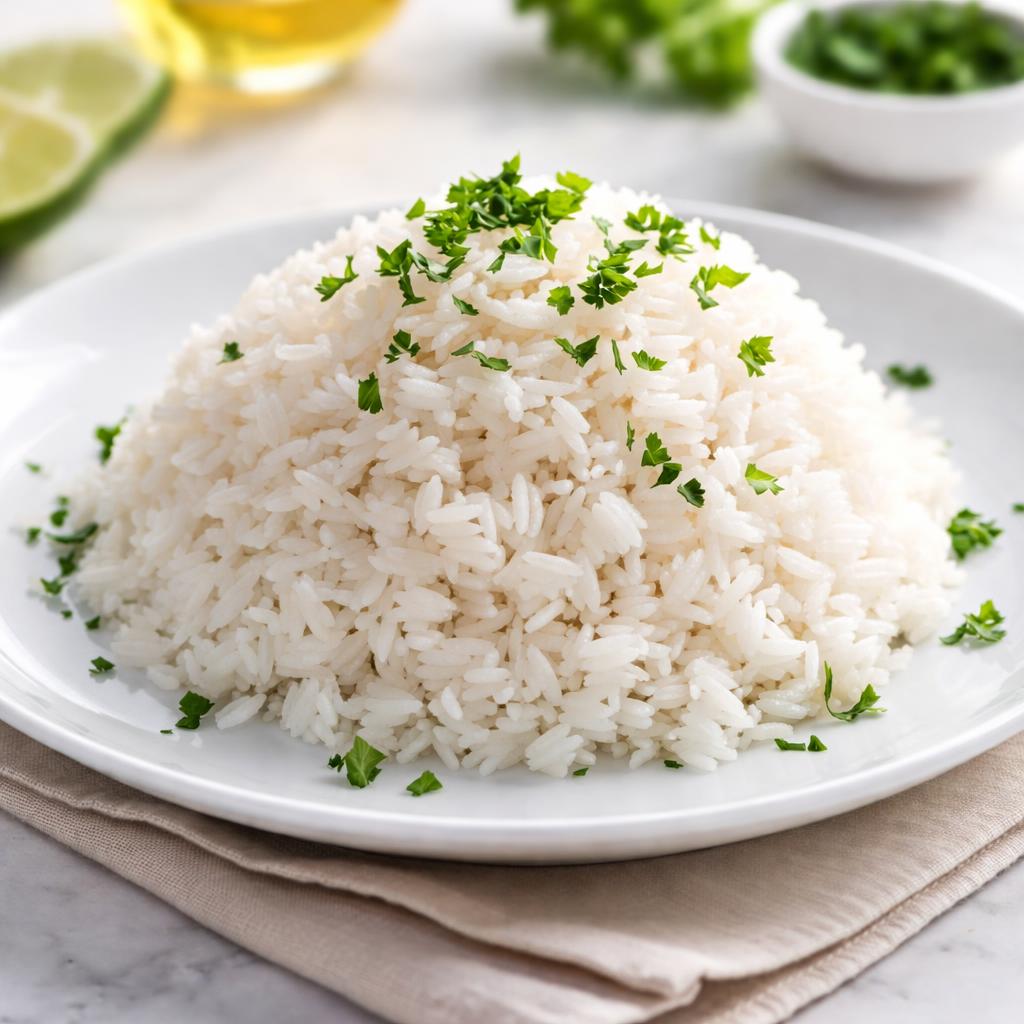
Rice
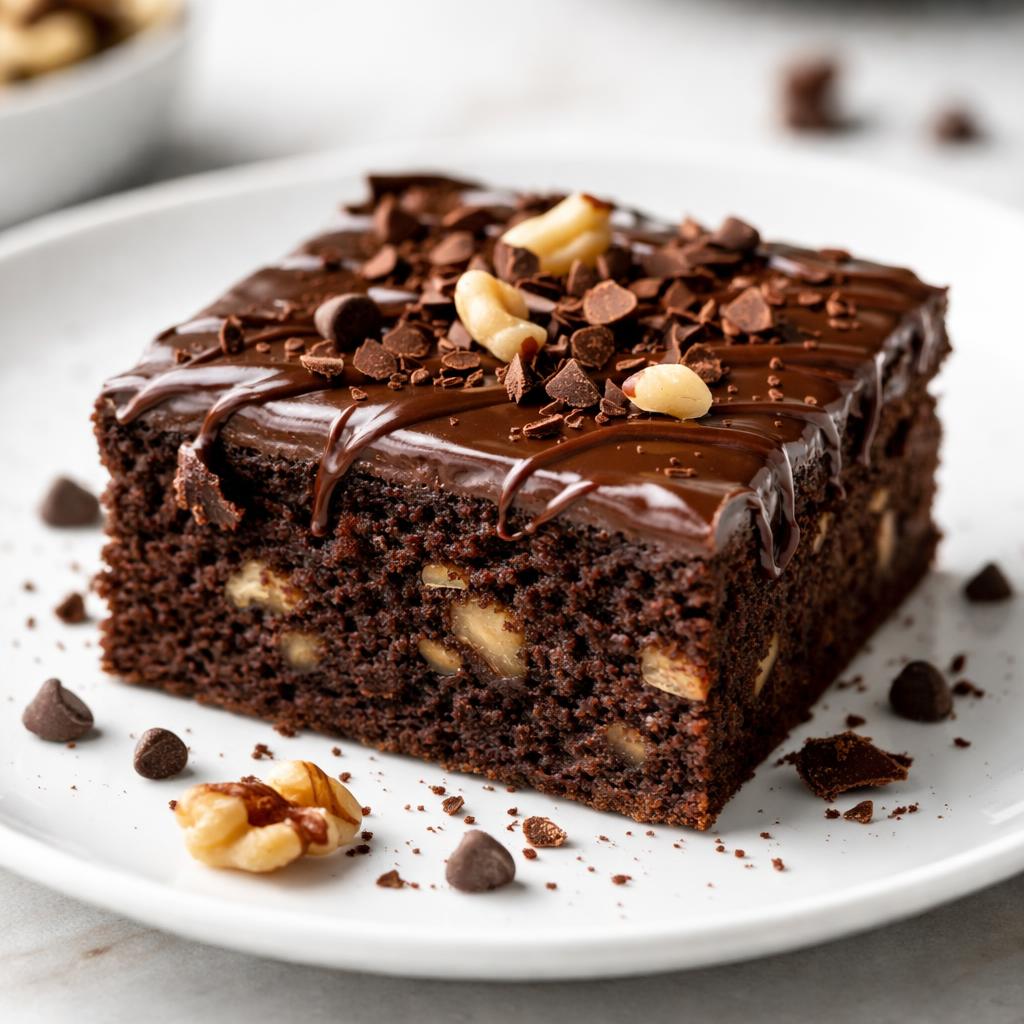
Chocolate Square
🎯 Quick Verdict
Rice and chocolate squares serve very different nutritional purposes. Rice is lower in calories and higher in fiber, making it suitable for staple meals, whereas chocolate is higher in protein and rich in fats, offering an energy-dense snack or indulgence. Choose rice for balanced meals and chocolate for a treat with quick energy benefits.

Smart Nutrition Tracking with SnapCalorie

📊 Nutritional Comparison
Macronutrients
| Nutrient | Food 1 | Food 2 | Winner |
|---|---|---|---|
| Calories | 130 per 100g | 210 per square (30g) | ✓ |
| Protein | 2.6g per 100g | 2g per square (30g) | ✓ |
| Carbs | 28g per 100g | 18g per square (30g) | ✓ |
| Fat | 0.3g per 100g | 12g per square (30g) | ✓ |
| Fiber | 0.4g per 100g | 1g per square (30g) | ✓ |
Vitamins & Minerals
| Nutrient | Food 1 | Food 2 | Winner |
|---|---|---|---|
| Vitamin D | 0mcg | 0.2mcg per square (30g) | ✓ |
| Calcium | 10mg | 40mg per square (30g) | ✓ |
| Iron | 0.2mg | 2mg per square (30g) | ✓ |
🏆 Category Winners
Protein
Rice has slightly higher protein (2.6g vs. 2g per serving).
Fiber
Chocolate provides more fiber per serving (1g vs. 0.4g).
Calories
Rice is notably lower in calories (130 vs. 210 per serving).
Vitamins
Chocolate is a better source of vitamin D, calcium, and iron.
🥗 Diet Compatibility
Keto
Food 1: Not Compatible
Food 2: Compatible
Chocolate is low-carb and high-fat, while rice is high in carbohydrates.
Vegan
Food 1: Compatible
Food 2: Compatible
Both are plant-based foods.
Gluten Free
Food 1: Compatible
Food 2: Compatible
Neither contains gluten.
Paleo
Food 1: Not Compatible
Food 2: Compatible
Chocolate (especially dark varieties) fits paleo, but rice does not.
Low-Carb
Food 1: Not Compatible
Food 2: Compatible
Rice is high in carbohydrates, while chocolate is lower in carbs per serving.
💪 Health Benefits Comparison
Food 1 Benefits
- Low in fat and calories, supporting weight management
- Rich in carbohydrates for sustained energy
- Provides minor amounts of protein for muscle support
Food 2 Benefits
- High in antioxidants for reducing inflammation
- Provides energy-dense nutrients for quick replenishment
- Contains minerals like iron and calcium for bone and blood health
✅ The Bottom Line
Choose rice for its versatility as a staple food in balanced meals, especially if you're focused on low-calorie eating. Opt for a chocolate square when seeking a nutrient-dense, energy-rich snack or indulgence with antioxidant benefits.
Choose Food 1 for: Weight management, meal prepping, sustained energy from carbs
Choose Food 2 for: Quick energy boosts, indulgent treat, antioxidant support


