Rice VS Chinese Sausage
A detailed nutritional comparison
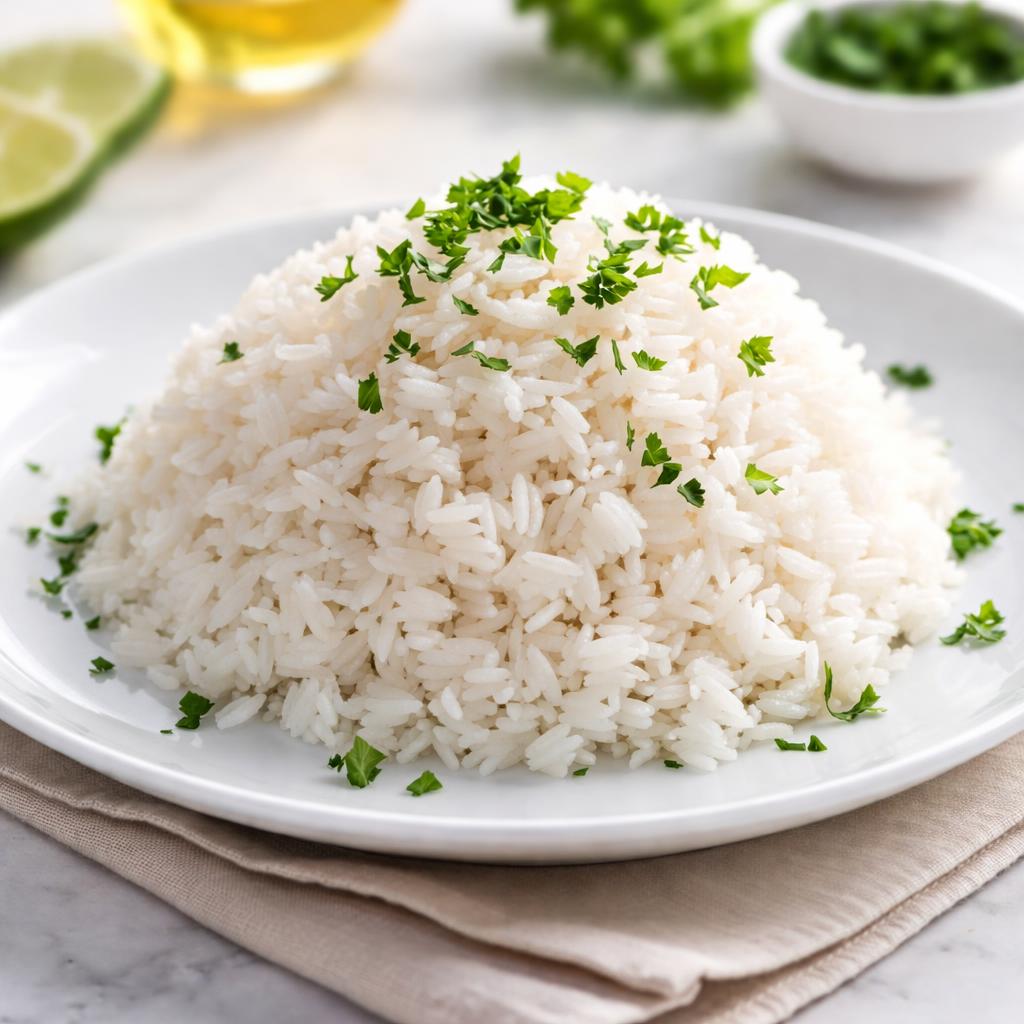
Rice
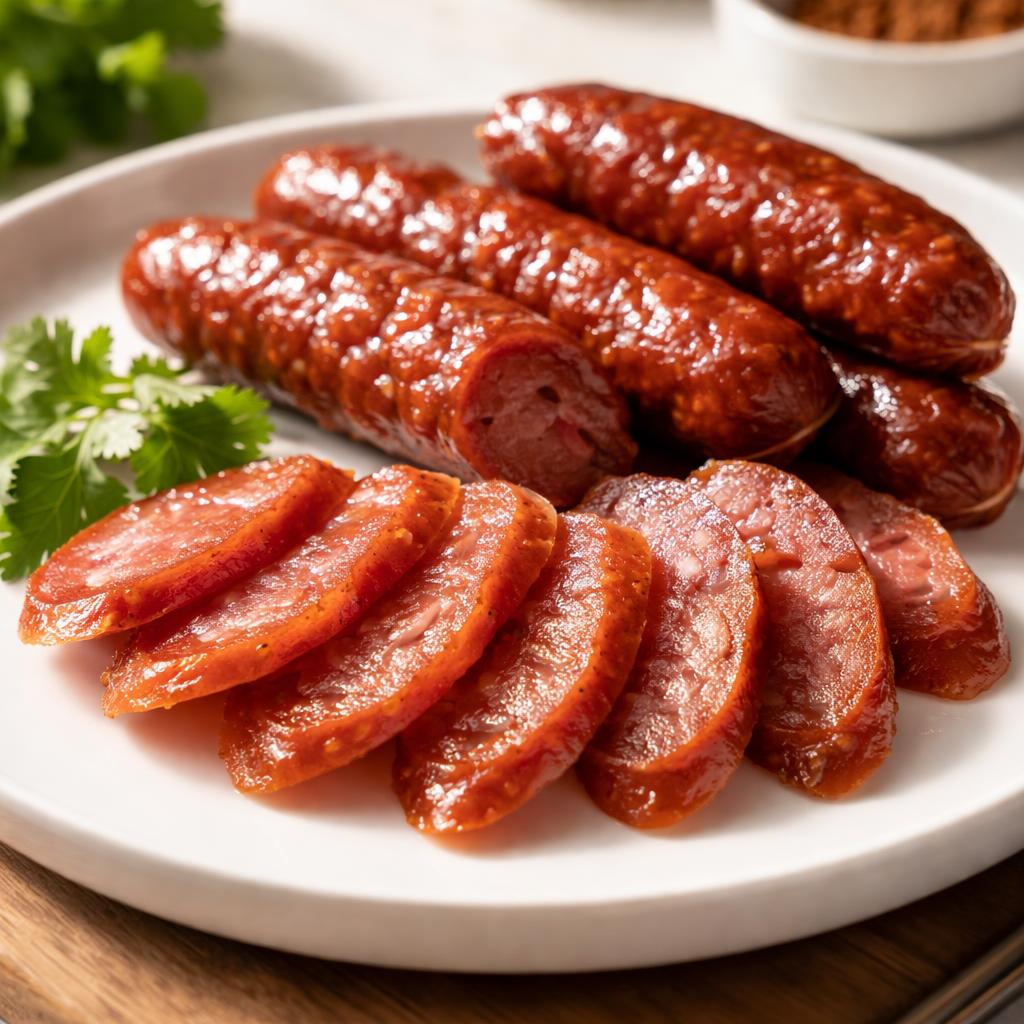
Chinese Sausage
🎯 Quick Verdict
Rice is a calorie-dense, carbohydrate-rich food with moderate fiber and minimal protein, making it ideal for sustained energy and a quick meal base. Chinese sausage, while higher in protein and fat, is calorie-dense and lacks fiber, but provides flavorful richness and essential nutrients like iron. Rice suits plant-based diets, while Chinese sausage is better for high-protein and keto lifestyles.

Smart Nutrition Tracking with SnapCalorie

📊 Nutritional Comparison
Macronutrients
| Nutrient | Food 1 | Food 2 | Winner |
|---|---|---|---|
| Calories | 206 | 240 | ✓ |
| Protein | 4.3g | 9g | ✓ |
| Carbs | 45g | 6g | ✓ |
| Fat | 0.4g | 18g | ✓ |
| Fiber | 0.6g | 0g | ✓ |
Vitamins & Minerals
| Nutrient | Food 1 | Food 2 | Winner |
|---|---|---|---|
| Vitamin A | 0IU | 90IU | ✓ |
| Iron | 0.2mg | 1.5mg | ✓ |
| Calcium | 10mg | 35mg | ✓ |
🏆 Category Winners
Protein
Chinese sausage provides more than double the protein compared to rice.
Fiber
Rice contains modest fiber, while Chinese sausage has none.
Calories
Rice has slightly fewer calories per serving than Chinese sausage.
Vitamins
Chinese sausage contains higher amounts of iron, calcium, and vitamin A.
🥗 Diet Compatibility
Keto
Food 1: Not Compatible
Food 2: Compatible
Rice is high in carbs, unsuitable for keto diets, while Chinese sausage is low-carb and high-fat.
Vegan
Food 1: Compatible
Food 2: Not Compatible
Rice is plant-based, but Chinese sausage contains meat.
Gluten Free
Food 1: Compatible
Food 2: Compatible
Both foods are naturally gluten-free.
Paleo
Food 1: Conditional (depends on processing)
Food 2: Conditional (processed meats are debated)
Rice is often excluded in strict paleo diets; Chinese sausage may not be compatible due to processing.
Low-Carb
Food 1: Not Compatible
Food 2: Compatible
Rice is carb-heavy, while Chinese sausage is low-carb and works for low-carb diets.
💪 Health Benefits Comparison
Food 1 Benefits
- Provides sustained energy from complex carbohydrates
- Low fat, suitable for low-fat diets
- Gluten-free grain, suitable for sensitive diets
Food 2 Benefits
- High in protein for muscle repair and maintenance
- Contains iron for improved oxygen transport
- Rich in Vitamin A for vision health
✅ The Bottom Line
Choose rice for low-fat, plant-based meals or when energy from carbs is needed. Opt for Chinese sausage to boost protein and healthy fats in your diet, especially for keto or low-carb days.
Choose Food 1 for: Plant-based diets, energy needs, low-fat meals
Choose Food 2 for: Keto diets, high-protein meals, flavor-enhancing dishes


