Rice VS Chicken Pie
A detailed nutritional comparison
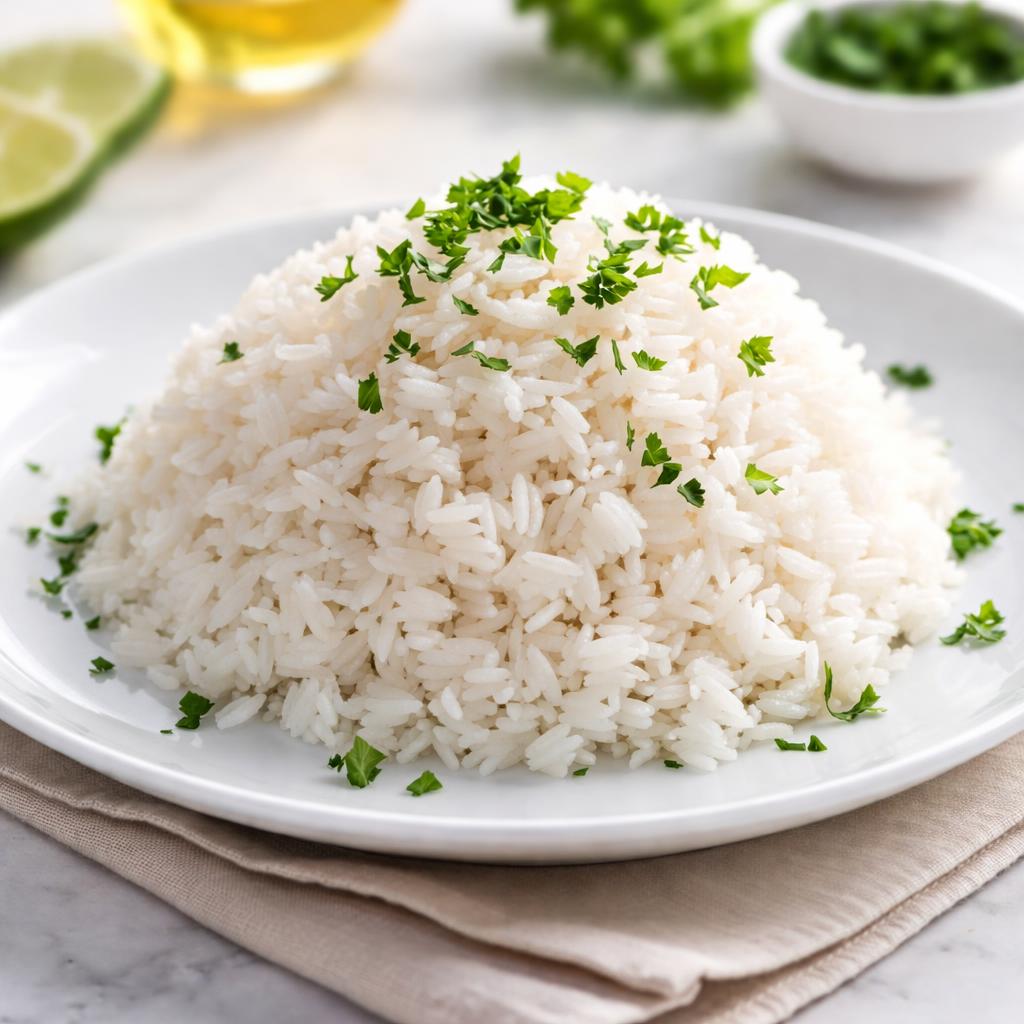
Rice
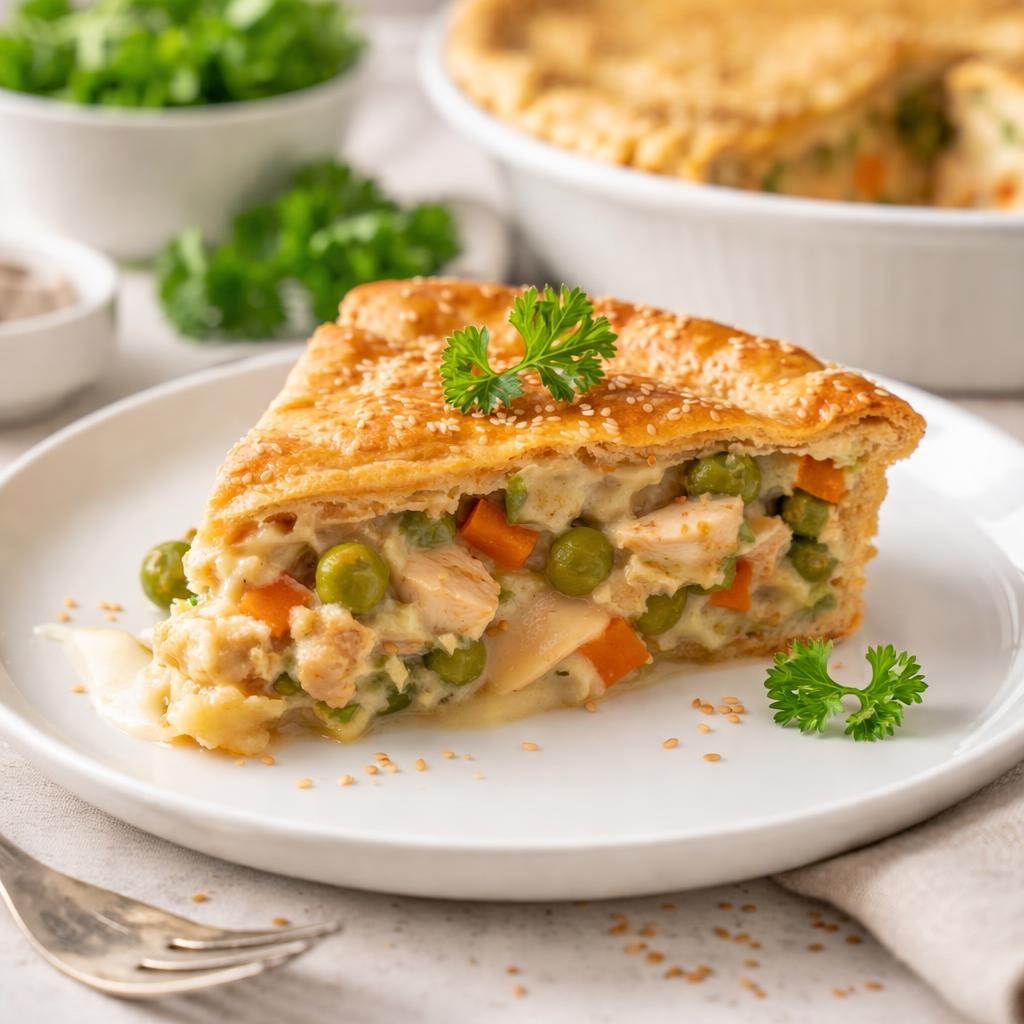
Chicken Pie
🎯 Quick Verdict
Chicken pie is nutritionally denser, offering significantly more protein, fat, and micronutrients, making it better suited for balanced, nutrient-rich meals. Rice is lower in calories and fat, and offers more fiber per serving, ideal for those looking to maintain or lose weight, or add a simple carbohydrate base to meals.

Smart Nutrition Tracking with SnapCalorie

📊 Nutritional Comparison
Macronutrients
| Nutrient | Food 1 | Food 2 | Winner |
|---|---|---|---|
| Calories | 205 | 450 | ✓ |
| Protein | 4g | 12g | ✓ |
| Carbs | 45g | 34g | ✓ |
| Fat | 0.4g | 25g | ✓ |
| Fiber | 1g | 0.5g | ✓ |
Vitamins & Minerals
| Nutrient | Food 1 | Food 2 | Winner |
|---|---|---|---|
| Vitamin A | 0mcg | 300mcg | ✓ |
| Calcium | 10mg | 50mg | ✓ |
| Iron | 1mg | 3mg | ✓ |
| Vitamin C | 0mg | 2mg | ✓ |
🏆 Category Winners
Protein
Chicken pie contains 3x more protein compared to rice.
Fiber
Rice has double the fiber content per serving.
Calories
Rice has less than half the calories of chicken pie.
🥗 Diet Compatibility
Keto
Food 1: Not Compatible
Food 2: Partially Compatible
Chicken pie contains more fat but still has moderate carbs; rice is high-carb.
Vegan
Food 1: Compatible
Food 2: Not Compatible
Rice is plant-based while chicken pie contains animal products.
Gluten Free
Food 1: Compatible
Food 2: Not Compatible
Rice is naturally gluten-free; chicken pie typically contains wheat-based crust.
Paleo
Food 1: Partially Compatible
Food 2: Not Compatible
Plain rice may fit in paleo diets occasionally; chicken pie does not due to processed ingredients.
Low-Carb
Food 1: Not Compatible
Food 2: Not Compatible
Both foods contain significant carbohydrates.
💪 Health Benefits Comparison
Food 1 Benefits
- Low in fat for heart health
- Provides quick energy from carbohydrates
- Naturally gluten-free and easy to digest
Food 2 Benefits
- Rich in protein for muscle repair
- Contains healthy fats for sustained energy
- Provides vitamins and minerals like Vitamin A, Calcium, and Iron
✅ The Bottom Line
Rice is ideal for those seeking a lower-calorie carbohydrate source and a gluten-free option, often used as a side dish in weight-management plans. Chicken pie is better for individuals prioritizing protein intake and balanced nutrition, making it a great choice for active lifestyles or winter comfort meals.
Choose Food 1 for: Weight management, simple carb base, gluten-free diets
Choose Food 2 for: Balanced meals, muscle building, comfort food


