Rice VS Chicken Ham
A detailed nutritional comparison
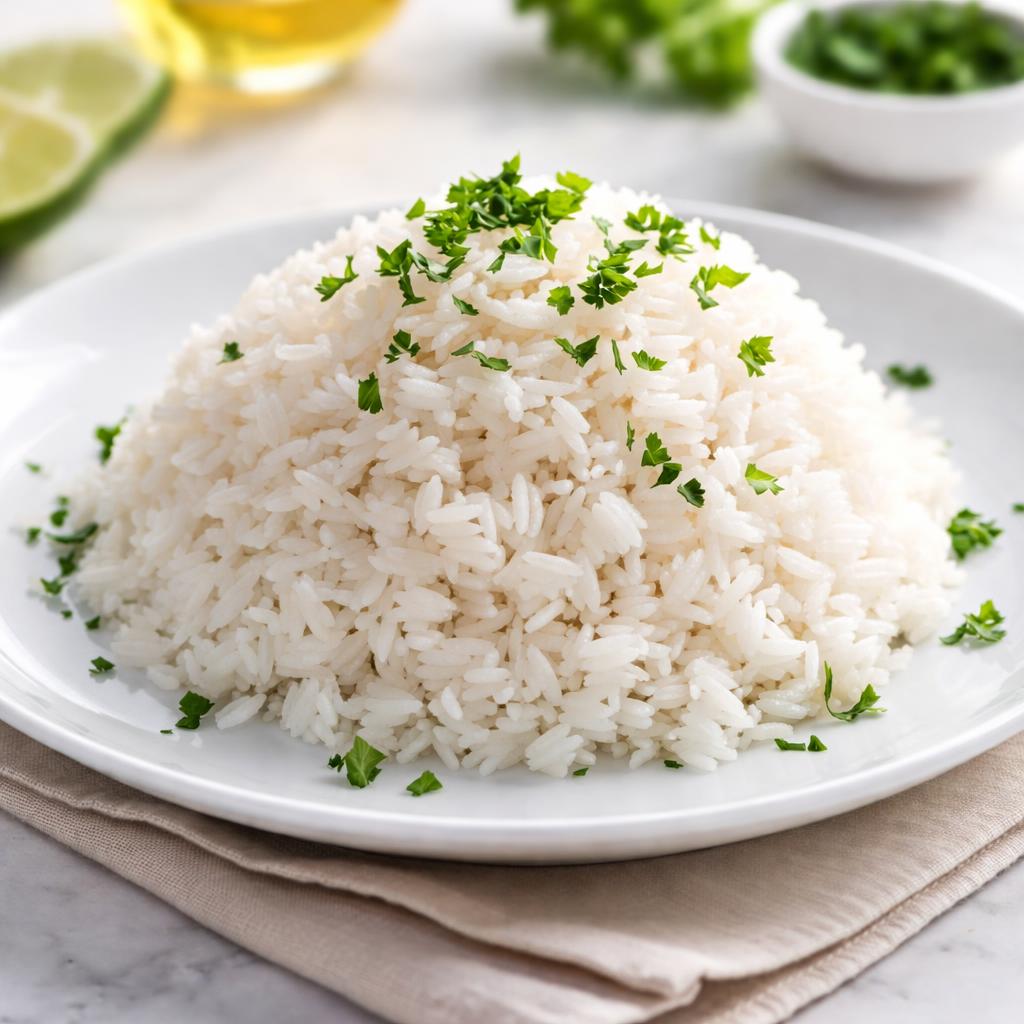
Rice

Chicken Ham
🎯 Quick Verdict
Chicken ham outshines rice in protein content, making it ideal for muscle maintenance and low-carb diets. Rice is higher in fiber and carbohydrates, making it a good choice for sustained energy and digestion support. The two foods differ greatly in their best use cases based on nutritional needs.

Smart Nutrition Tracking with SnapCalorie

📊 Nutritional Comparison
Macronutrients
| Nutrient | Food 1 | Food 2 | Winner |
|---|---|---|---|
| Calories | 130 (per 100g) | 110 (per 100g) | ✓ |
| Protein | 2.7g (per 100g) | 19g (per 100g) | ✓ |
| Carbs | 28g (per 100g) | 1g (per 100g) | ✓ |
| Fat | 0.3g (per 100g) | 4g (per 100g) | ✓ |
| Fiber | 1g (per 100g) | 0g (per 100g) | ✓ |
Vitamins & Minerals
| Nutrient | Food 1 | Food 2 | Winner |
|---|---|---|---|
| Vitamin D | 0mcg | 0.5mcg | ✓ |
| Calcium | 10mg | 15mg | ✓ |
| Iron | 0.2mg | 0.7mg | ✓ |
| Potassium | 35mg | 270mg | ✓ |
🏆 Category Winners
Protein
Chicken ham contains 7x more protein than rice.
Fiber
Rice provides fiber, while chicken ham contains none.
Calories
Chicken ham has slightly fewer calories per 100g.
Vitamins
Chicken ham offers higher levels of Vitamin D, Iron, and Potassium.
🥗 Diet Compatibility
Keto
Food 1: Not Compatible
Food 2: Compatible
Chicken ham is low-carb (1g per 100g), while rice is high in carbs (28g per 100g).
Vegan
Food 1: Compatible
Food 2: Not Compatible
Rice is plant-based, while chicken ham is an animal product.
Gluten Free
Food 1: Compatible
Food 2: Compatible
Both rice and chicken ham are naturally gluten-free.
Paleo
Food 1: Not Compatible
Food 2: Compatible
Chicken ham aligns with paleo diets, but rice is avoided due to its grain content.
Low-Carb
Food 1: Not Compatible
Food 2: Compatible
Chicken ham fits low-carb diets better due to minimal carbohydrate content.
💪 Health Benefits Comparison
Food 1 Benefits
- Provides sustained energy from carbohydrates
- A source of essential minerals like manganese and selenium
- Supports digestion with dietary fiber
- Low in fat and cholesterol
Food 2 Benefits
- Rich in protein for muscle building and repair
- Contains iron and potassium for healthy blood and cell function
- Low-carb, supporting ketogenic and weight loss diets
- Provides Vitamin D for bone health
✅ The Bottom Line
Chicken ham is a great option for high-protein, low-carb diets and those looking to build muscle or lose weight. Rice, on the other hand, is better suited for individuals seeking energy from carbs or fiber for digestive health. The key is to align the food choice with personal dietary goals.
Choose Food 1 for: Energy needs, plant-based diets, digestion support
Choose Food 2 for: High-protein goals, weight loss, keto or paleo diets


