Rice VS Chicken Cutlet
A detailed nutritional comparison
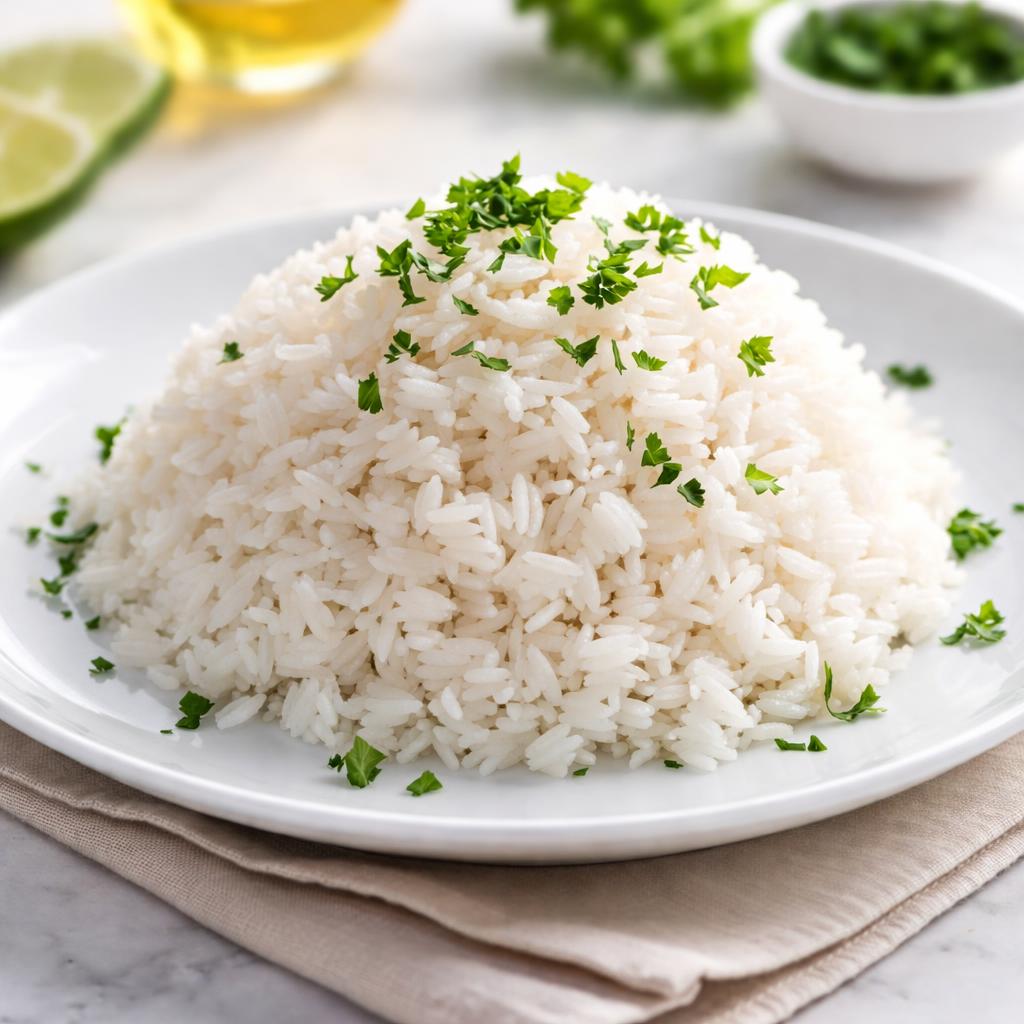
Rice
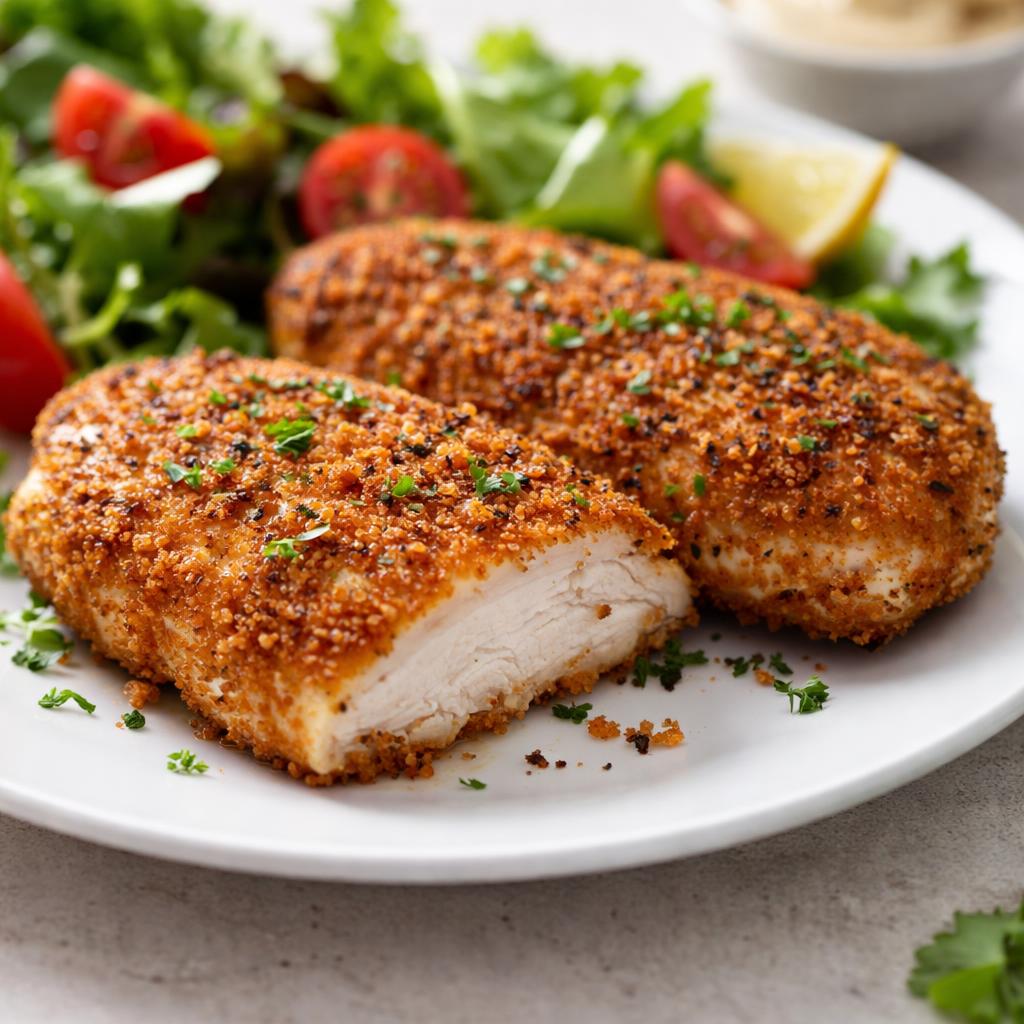
Chicken Cutlet
🎯 Quick Verdict
Chicken cutlet significantly outshines rice in protein content, making it ideal for muscle building and high-protein diets. Rice, on the other hand, is lower in calories and higher in fiber, making it better for digestion and energy sustenance. Both foods provide important nutrients but serve different dietary goals depending on priorities like protein needs versus light calorie intake.

Smart Nutrition Tracking with SnapCalorie

📊 Nutritional Comparison
Macronutrients
| Nutrient | Food 1 | Food 2 | Winner |
|---|---|---|---|
| Calories | 130 (per 100g) | 230 (per 100g) | ✓ |
| Protein | 2.7g | 21g | ✓ |
| Carbs | 28g | 10g | ✓ |
| Fat | 0.3g | 12g | ✓ |
| Fiber | 1.2g | 0g | ✓ |
Vitamins & Minerals
| Nutrient | Food 1 | Food 2 | Winner |
|---|---|---|---|
| Vitamin D | 0mcg | 1mcg | ✓ |
| Calcium | 10mg | 12mg | ✓ |
| Iron | 0.2mg | 1.1mg | ✓ |
🏆 Category Winners
Protein
Food2 contains nearly 8 times more protein than food1.
Fiber
Food1 provides moderate fiber (1.2g) while food2 contains no fiber.
Calories
Food1 is almost 43% lower in calories compared to food2.
Vitamins
Food2 is richer in essential vitamins like Vitamin D, calcium, and iron.
🥗 Diet Compatibility
Keto
Food 1: Not Compatible
Food 2: Compatible
Rice is high in carbs, while chicken cutlet fits into low-carb plans.
Vegan
Food 1: Compatible
Food 2: Not Compatible
Rice is plant-based; chicken contains animal protein.
Gluten Free
Food 1: Compatible
Food 2: Depends on breading
Rice is naturally gluten-free; chicken cutlet may be gluten-free if breading is omitted or gluten-free.
Paleo
Food 1: Not Compatible
Food 2: Compatible
Rice is not paleo-friendly, while chicken cutlet aligns well with paleo principles.
Low-Carb
Food 1: Not Compatible
Food 2: Compatible
Food1 consists primarily of carbohydrates unlike the low-carb profile of food2.
💪 Health Benefits Comparison
Food 1 Benefits
- Low in calories for weight management
- Good source of quick energy due to carbohydrates
- Provides moderate fiber for digestive health
Food 2 Benefits
- High-quality protein for muscle maintenance and repair
- Provides essential vitamins like Vitamin D and iron
- Contains healthy fats that support energy and nutrient absorption
✅ The Bottom Line
Choose chicken cutlet when aiming for high protein intake and vitamin-rich meals, especially if following keto or paleo diets. Rice is ideal for light, digestible calories and sustained energy delivery, particularly when following vegan or vegetarian diets.
Choose Food 1 for: Weight management, energy sustenance, vegan diets
Choose Food 2 for: Muscle building, keto or paleo diets, nutrient density


