Rice VS Chicken Congee
A detailed nutritional comparison
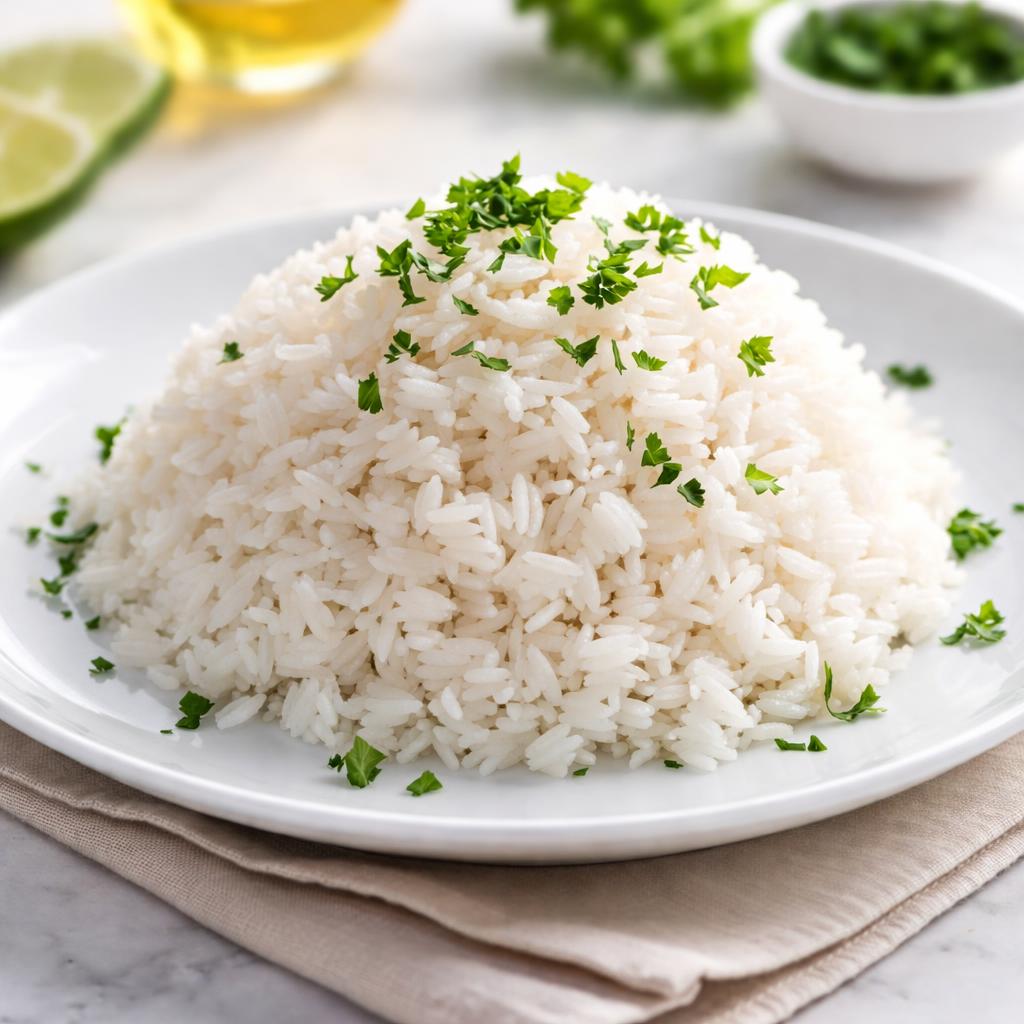
Rice
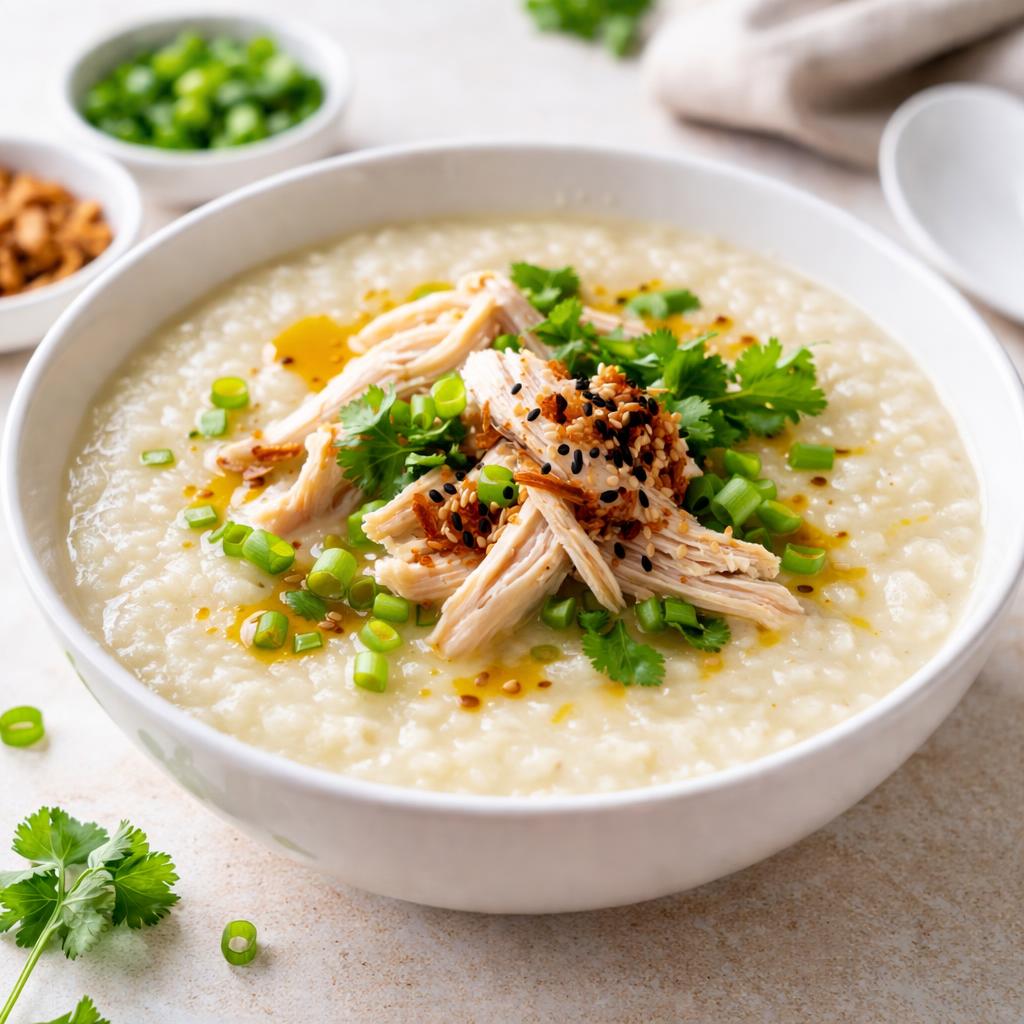
Chicken Congee
🎯 Quick Verdict
Rice is a lower-calorie option with simple carbohydrates, making it suitable for energy bursts without heavy protein content. Chicken congee provides significantly more protein and additional nutrients due to the inclusion of chicken and broth, making it a more nutrient-dense and balanced meal. Rice is ideal for side dishes or simple carbs, while chicken congee suits complete meals or post-sickness recovery diets.

Smart Nutrition Tracking with SnapCalorie

📊 Nutritional Comparison
Macronutrients
| Nutrient | Food 1 | Food 2 | Winner |
|---|---|---|---|
| Calories | 206 | 150 | ✓ |
| Protein | 4.2g | 9g | ✓ |
| Carbs | 45g | 13g | ✓ |
| Fat | 0.4g | 3g | ✓ |
| Fiber | 1g | 1g | − |
Vitamins & Minerals
| Nutrient | Food 1 | Food 2 | Winner |
|---|---|---|---|
| Vitamin D | 0mcg | 0.5mcg | ✓ |
| Calcium | 10mg | 20mg | ✓ |
| Iron | 0.2mg | 0.5mg | ✓ |
🏆 Category Winners
Protein
Chicken congee has over double the protein content due to the inclusion of chicken and broth.
Fiber
Both provide 1g of fiber, making them equal in terms of dietary fiber.
Calories
Chicken congee is lower in calories (150 vs 206), making it a lighter option per serving.
Vitamins
Chicken congee offers slightly more vitamins and minerals, such as calcium, iron, and vitamin D.
🥗 Diet Compatibility
Keto
Food 1: Not Compatible
Food 2: Not Compatible
Both have high carbohydrate content and are not suitable for a keto diet.
Vegan
Food 1: Compatible
Food 2: Not Compatible
Rice is plant-based, but chicken congee contains animal products.
Gluten Free
Food 1: Compatible
Food 2: Compatible
Neither food contains gluten when prepared traditionally.
Paleo
Food 1: Not Compatible
Food 2: Not Compatible
Rice and grains are excluded from the paleo diet.
Low Carb
Food 1: Not Compatible
Food 2: Not Compatible
Both foods are relatively high in carbs and not ideal for low-carb diets.
💪 Health Benefits Comparison
Food 1 Benefits
- Provides quick energy through simple carbohydrates
- Easy to digest, ideal for sensitive stomachs
- Low in fat and sodium
Food 2 Benefits
- Rich in protein for muscle repair and maintenance
- Contains collagen from broth, which supports joint and skin health
- Nutrient-dense meal with added vitamins like calcium and iron
✅ The Bottom Line
Choose chicken congee for a balanced meal with higher protein, vitamins, and a wholesome flavor, great for post-recovery or nourishing meals. Opt for rice when you need a versatile side dish or quick carb addition to your meals.
Choose Food 1 for: Side dishes, simple carbs, energy bursts
Choose Food 2 for: Balanced meal, recovery diets, nutrient density


