Rice VS Chicken Cacciatore
A detailed nutritional comparison
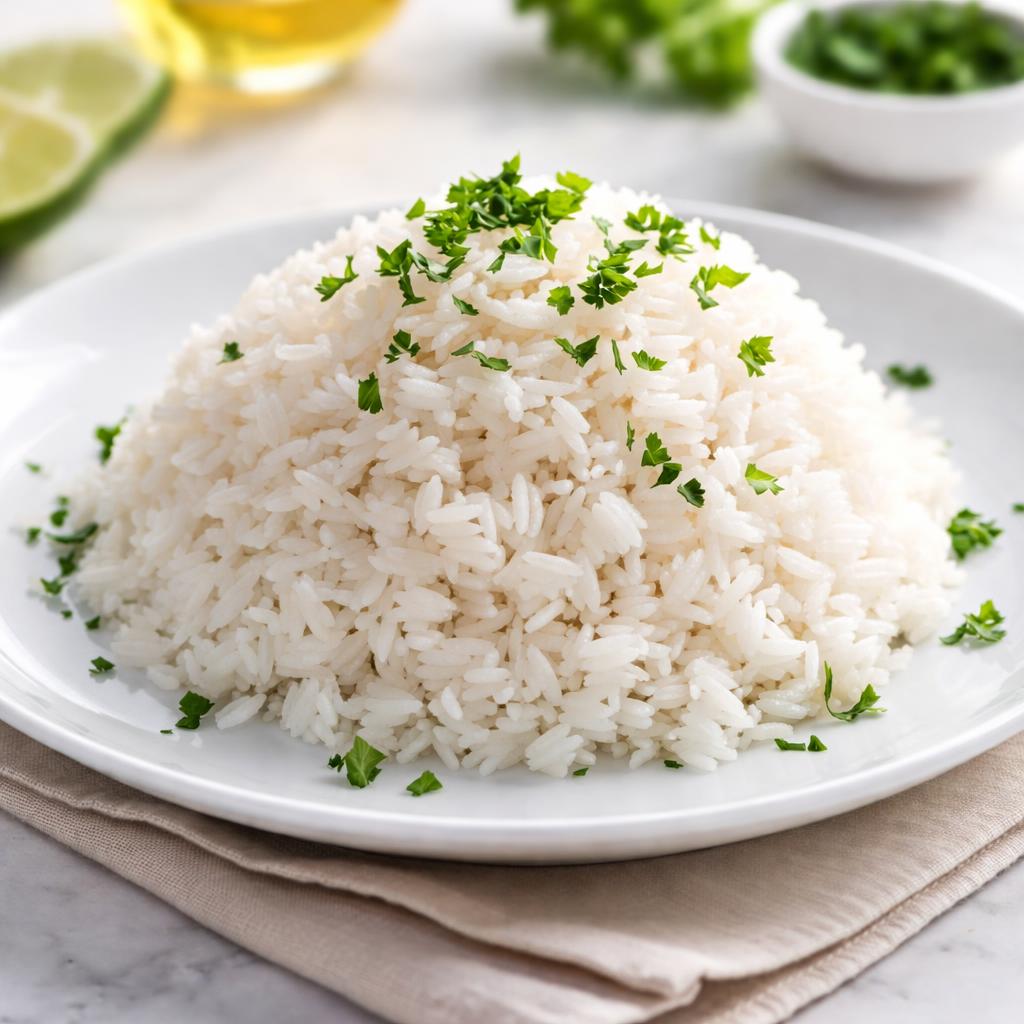
Rice
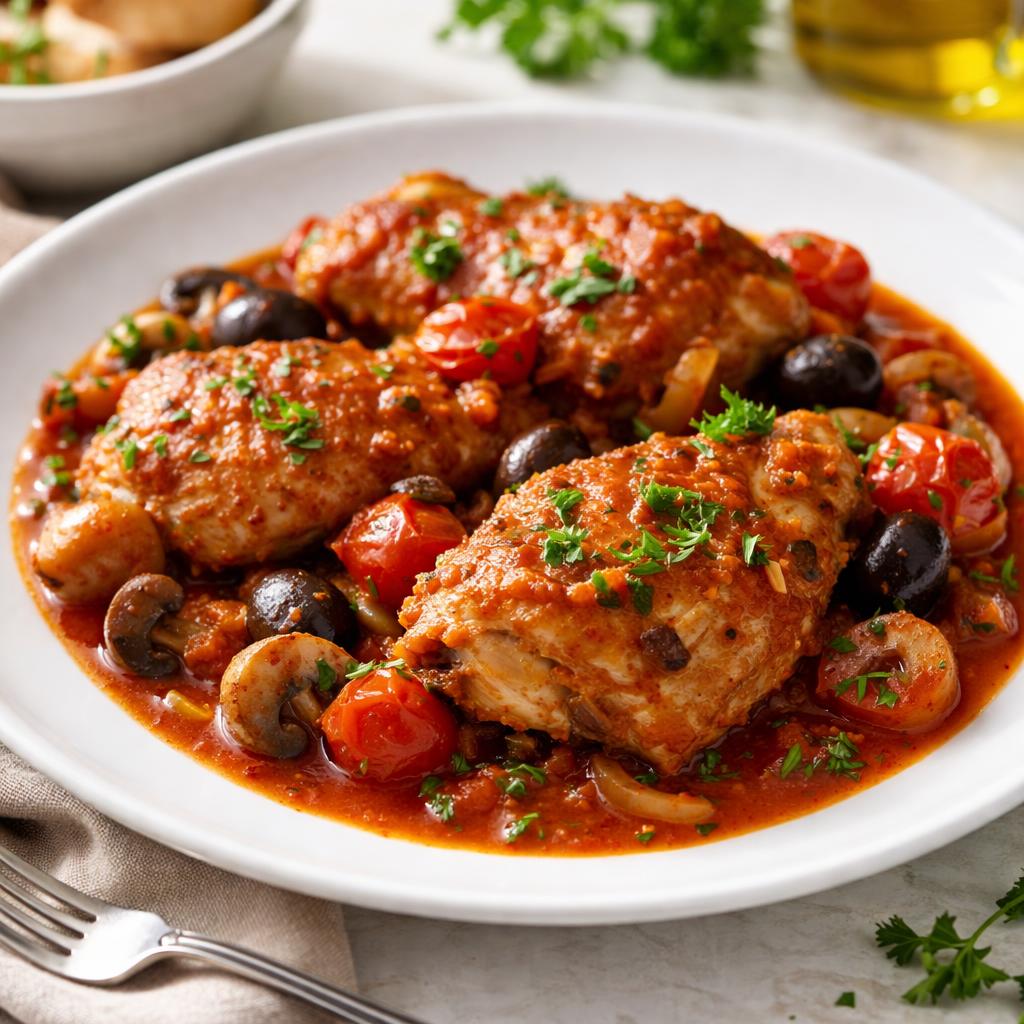
Chicken Cacciatore
🎯 Quick Verdict
Rice is a simple carbohydrate staple, low in calories and fiber. Chicken cacciatore is a protein-rich dish with moderate fats and carbs, offering a broader spectrum of vitamins and minerals. Rice is best for quick energy, while chicken cacciatore suits nutrient-dense meal scenarios or protein-focused diets.

Smart Nutrition Tracking with SnapCalorie

📊 Nutritional Comparison
Macronutrients
| Nutrient | Food 1 | Food 2 | Winner |
|---|---|---|---|
| Calories | 130 (white rice, cooked 1 cup) | 220 (prepared chicken cacciatore, 1 cup) | ✓ |
| Protein | 2.7g | 22g | ✓ |
| Carbs | 28g | 9g | ✓ |
| Fat | 0.3g | 8g | ✓ |
| Fiber | 0.4g | 1.5g | ✓ |
Vitamins & Minerals
| Nutrient | Food 1 | Food 2 | Winner |
|---|---|---|---|
| Vitamin A | 0mcg | 50mcg | ✓ |
| Vitamin D | 0mcg | 2mcg | ✓ |
| Iron | 0.2mg | 1.5mg | ✓ |
| Calcium | 10mg | 60mg | ✓ |
🏆 Category Winners
Protein
Chicken cacciatore contains over 8 times more protein per cup compared to rice.
Fiber
While rice has minimal fiber, chicken cacciatore contains higher fiber from vegetables.
Calories
Rice has 40% fewer calories compared to chicken cacciatore.
Vitamins
Chicken cacciatore has a wider variety of vitamins, especially vitamin A and D.
🥗 Diet Compatibility
Keto
Food 1: Not Compatible
Food 2: Compatible
Rice is high-carb, but chicken cacciatore is low enough in carbs for keto diets.
Vegan
Food 1: Compatible
Food 2: Not Compatible
Rice is plant-based, whereas chicken cacciatore contains animal products.
Gluten Free
Food 1: Compatible
Food 2: Compatible
Neither food contains gluten, assuming no additional sauce additives.
Paleo
Food 1: Not Compatible
Food 2: Compatible
Rice is not paleo-approved but chicken cacciatore complies with paleo principles.
Low Carbohydrate
Food 1: Not Compatible
Food 2: Compatible
Chicken cacciatore is a low-carb choice, while rice is high-carb.
💪 Health Benefits Comparison
Food 1 Benefits
- Quick source of energy due to its carbohydrate content
- Easy to digest for individuals with sensitive stomachs
- Provides small amounts of trace minerals like manganese
Food 2 Benefits
- High in protein for muscle repair and growth
- Rich in vitamins such as A and D for improved immune function
- Includes antioxidants from tomatoes and bell peppers for heart health
- Contains healthy fats for sustained energy
✅ The Bottom Line
Rice is ideal for quick energy needs, budget-friendly meal bases, or vegan diets, though it lacks substantial nutrients. On the other hand, chicken cacciatore is a nutrient-dense, protein-rich option, great for those seeking balanced meals, muscle-building, or low-carb diets.
Choose Food 1 for: Quick energy, vegan meals, minimal food prep
Choose Food 2 for: Protein-focused diets, low-carb eating, nutrient density


