Rice VS Chicken Broth
A detailed nutritional comparison
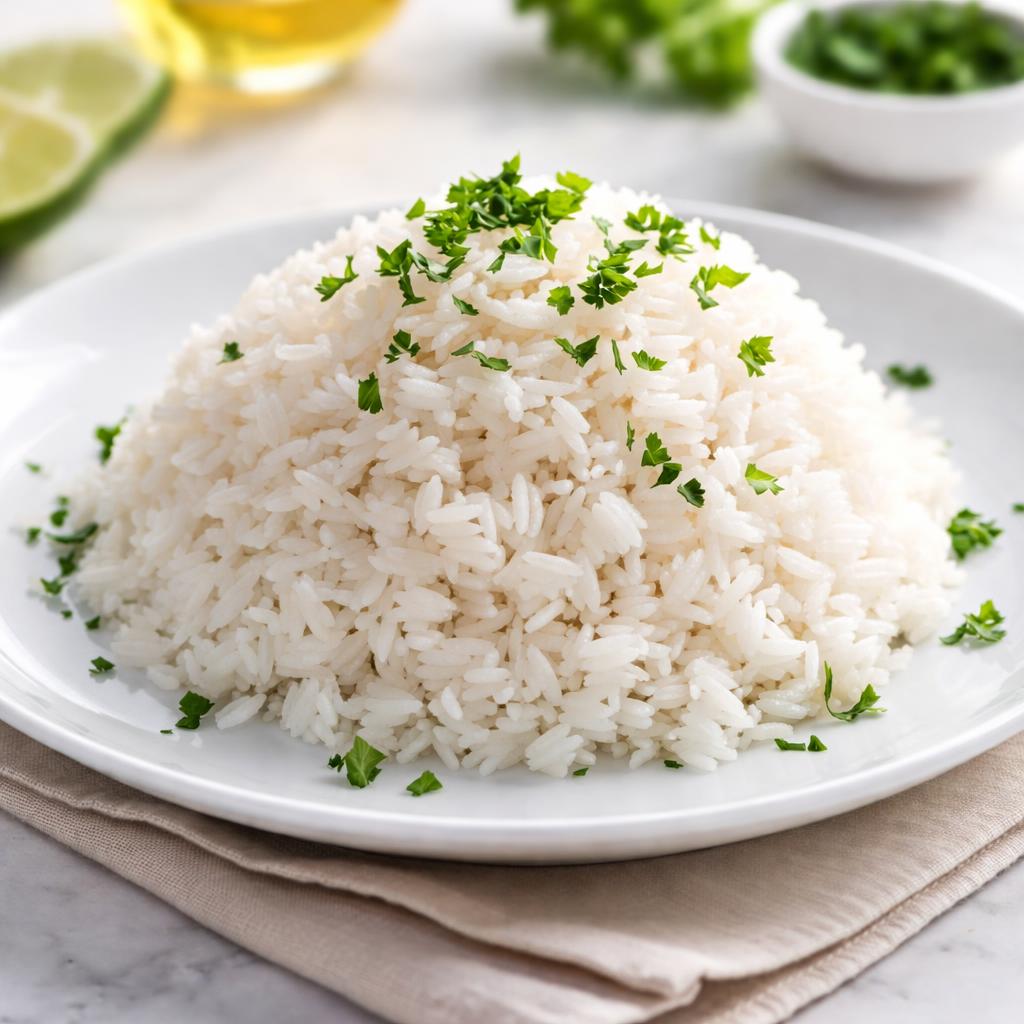
Rice
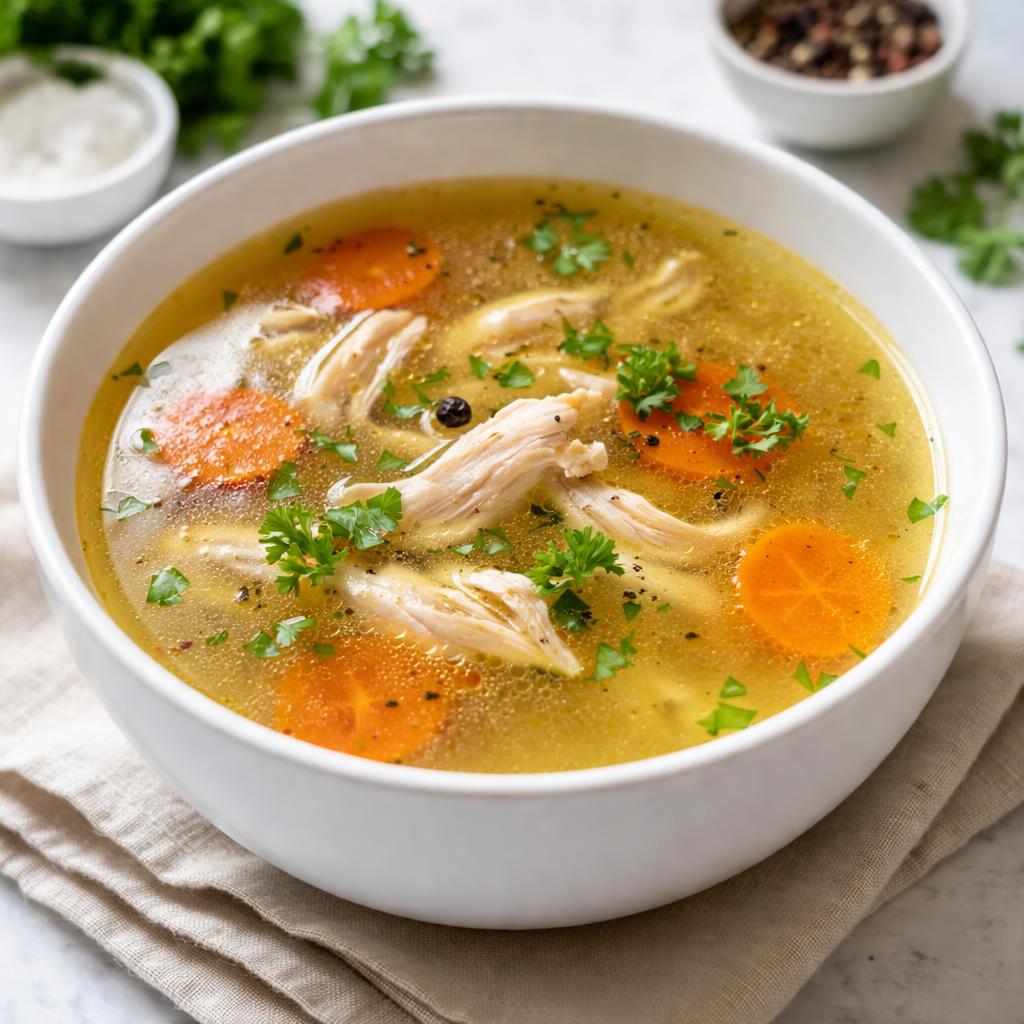
Chicken Broth
🎯 Quick Verdict
Rice and chicken broth serve very different nutritional purposes. Rice is higher in calories, carbohydrates, and fiber, making it a good energy source. Chicken broth is far lower in calories and provides more protein per serving, making it suitable for lightweight, high-protein diets or hydration with flavor. Both have specific niche uses depending on dietary needs.

Smart Nutrition Tracking with SnapCalorie

📊 Nutritional Comparison
Macronutrients
| Nutrient | Food 1 | Food 2 | Winner |
|---|---|---|---|
| Calories | 206 (per cup, cooked white rice) | 15 (per cup) | ✓ |
| Protein | 4.3g | 1g | ✓ |
| Carbs | 45g | 1g | ✓ |
| Fat | 0.4g | 0g | ✓ |
| Fiber | 0.6g | 0g | ✓ |
Vitamins & Minerals
| Nutrient | Food 1 | Food 2 | Winner |
|---|---|---|---|
| Vitamin B6 | 0mg | 0.3mg | ✓ |
| Calcium | 10mg | 5mg | ✓ |
| Sodium | 1mg | 1000mg (average for broth) | ✓ |
🏆 Category Winners
Protein
Chicken broth provides protein in a low-calorie package.
Fiber
Rice contains 0.6g of fiber vs 0g in chicken broth.
Calories
Chicken broth has 93% fewer calories per cup versus rice.
🥗 Diet Compatibility
Keto
Food 1: Not Compatible
Food 2: Compatible
Rice is high-carb, broth is low-carb.
Vegan
Food 1: Compatible
Food 2: Not Compatible
Rice is plant-based, but broth is typically made from animal sources.
Gluten Free
Food 1: Compatible
Food 2: Compatible
Neither contains gluten.
Paleo
Food 1: Not Compatible
Food 2: Compatible
Chicken broth aligns with paleo principles, but rice is excluded.
Low-Carb
Food 1: Not Compatible
Food 2: Compatible
Rice has 45g carbs per serving while chicken broth has only 1g.
💪 Health Benefits Comparison
Food 1 Benefits
- Provides sustained energy from carbohydrates
- Low in fat and cholesterol
- Easy to digest and gentle on the stomach
Food 2 Benefits
- Hydrates and replenishes electrolytes
- Low-calorie option for weight reduction diets
- Contains collagen for joint and skin health
✅ The Bottom Line
Rice is best for individuals needing high energy and carbohydrates for physical activity or recovery, while chicken broth is ideal for weight management or hydration-based diets. Both can complement different meals depending on dietary goals.
Choose Food 1 for: High-energy meals, athletes, quick digesting carbs
Choose Food 2 for: Low-calorie meals, hydration, protein supplementation


